
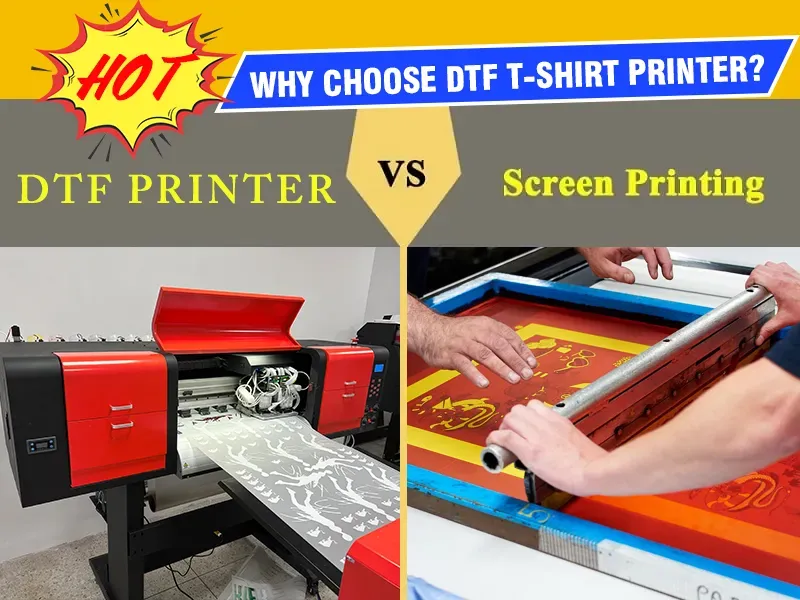
When it comes to customizing apparel, the debate of DTF vs. screen printing is one that many businesses must tackle. These two popular printing techniques offer distinct advantages and disadvantages that cater to various needs in the fashion industry. DTF printing, or Direct to Film printing, utilizes a modern process that allows for vibrant and intricate designs, while traditional screen printing is known for its durability and rich color output. Understanding the nuances of these printing methods is crucial for brands looking to enhance their apparel decoration strategy and ensure top-notch print quality. In this article, we will explore the essential differences between DTF and screen printing to help you choose the right fit for your design projects.
In the realm of fabric printing, the comparison of DTF and traditional screen printing techniques has become a focal point for many apparel manufacturers. Direct to Film printing is gaining traction for its capability to produce detailed graphics rapidly, making it a preferred choice for those seeking flexibility. On the other hand, screen printing, with its classic roots, continues to shine in applications demanding durability and color vibrancy. As we delve further into these printing methodologies, we will uncover how their operational processes, cost efficiency, and overall suitability impact the world of apparel decoration. Navigating through these options will empower businesses in making informed choices that align with their creative and commercial objectives.
Understanding DTF Printing: Key Features and Benefits
DTF printing, or Direct to Film printing, is revolutionizing the garment decoration industry by providing flexibility and ease of use. This method involves printing high-quality designs onto a film, which is then heat transferred onto the fabric. The process allows for intricate details and vibrant colors, making it an excellent choice for custom apparel. With its capacity to produce stunning gradients and multi-color designs in a single process, DTF printing is gaining traction among businesses looking to offer unique products without the constraints of traditional techniques.
One of the standout benefits of DTF printing is its adaptability to various fabric types, including blends and synthetic materials that may pose challenges for standard methods. This versatility means that designers have more options for their collections, enabling them to cater to diverse consumer preferences. As a result, DTF printing is becoming increasingly popular for small runs and personalized items, where quality and detail are paramount.
Frequently Asked Questions
What are the key differences between DTF printing and screen printing?
DTF printing and screen printing differ mainly in their processes and applications. Screen printing uses a mesh stencil to apply ink directly to fabric, making it ideal for large bulk orders due to its cost-effectiveness and durability. In contrast, DTF printing applies the design onto a film before transferring it to the fabric using heat, allowing for intricate designs and flexibility, especially for smaller runs.
Which method offers better print quality, DTF printing or screen printing?
Screen printing generally offers superior durability and vibrant colors, making it ideal for long-lasting designs. However, DTF printing has improved significantly in recent years, allowing for detailed and colorful prints that rival traditional methods in quality, especially for complex designs.
Is DTF printing more cost-effective than screen printing for small orders?
Yes, DTF printing is typically more cost-effective for small runs because it doesn’t require the setup of multiple screens, which can be expensive. This makes DTF ideal for custom or limited-edition apparel, whereas screen printing is more economical for larger orders.
What fabrics can be used with DTF printing vs. screen printing?
DTF printing is versatile and can be used on a wide range of fabrics, including cotton, polyester, and blends. Screen printing, however, performs best on cotton and specific fibers, often requiring treatment for optimal results.
How do DTF and screen printing compare in terms of environmental impact?
Screen printing often utilizes water-based inks, which can be more eco-friendly. DTF printing inks vary in environmental impact, but advancements are being made to enhance their sustainability. It’s important to review specific products to make informed choices based on eco-friendliness.
What is the ideal scenario for choosing screen printing over DTF printing?
Screen printing is ideal for large-scale production requiring high durability and vibrant colors, especially for designs with fewer colors. If your project involves bulk orders and seeks longevity in prints, screen printing is the preferred choice.
| Key Points | |
|---|---|
| Method | Details |
| Screen Printing | Uses a mesh screen to apply ink on fabric. Ideal for vibrant colors and large runs. |
| DTF Printing | Prints designs on film before transferring to fabric; great for intricate designs and smaller orders. |
| Pros | Screen Printing: Durable, vibrant, cost-effective for bulk. DTF: Cost-effective for small runs, detailed design capability. |
| Cons | Screen Printing: Longer setup time, less efficient for small orders. DTF: Durability may be less, environmental concerns. |
| Fabric Compatibility | Screen Printing: Best on cotton. DTF: Compatible with various fabrics, including challenging types. |
| Environmental Impact | Screen Printing: Often uses water-based inks, more eco-friendly. DTF: Varied ink types, ongoing improvements in sustainability. |
Summary
In the debate of DTF vs. Screen Printing, understanding the nuances between these two printing methods is crucial for making an informed choice tailored to your needs. Screen printing boasts durability and cost-effectiveness for large quantities, making it a reliable option for consistent designs. In contrast, DTF printing offers unparalleled flexibility and detail, particularly advantageous for smaller orders or unique creations. As the landscape of garment printing continues to evolve, both methods present compelling benefits, ultimately catering to the diverse demands of the fashion industry.