
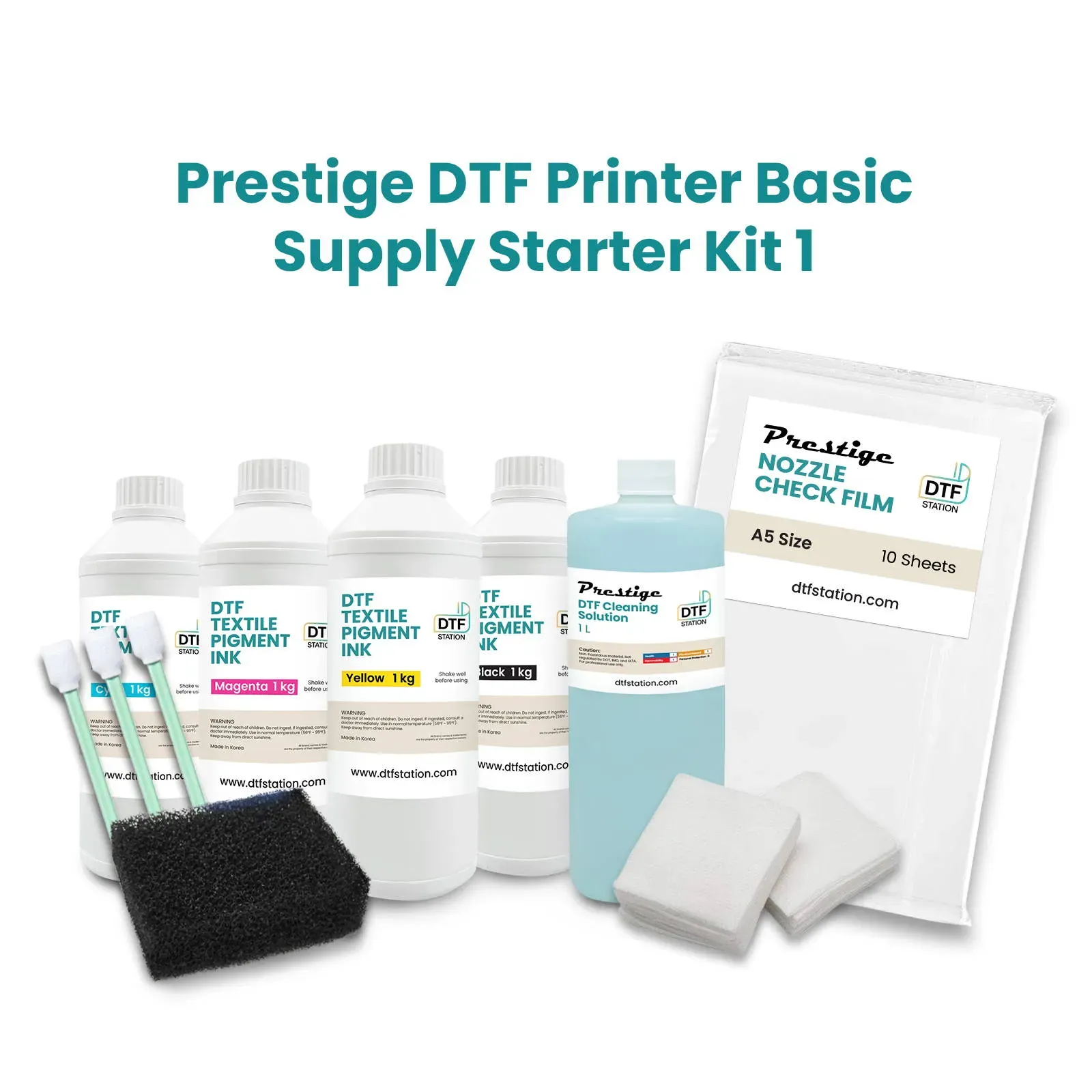
DTF Supplies have rapidly gained popularity in the domain of custom apparel printing, standing out as a versatile solution amidst traditional printing methods such as Direct to Garment (DTG), screen printing, and dye sublimation printing. Leveraging the innovative Direct to Film (DTF) process, businesses can achieve vibrant colors and intricate designs that captivate customers without the extensive setup times associated with screen printing. Moreover, DTF supplies hold significant advantages, particularly for small batch runs, making them an economical choice for entrepreneurs seeking high-quality prints. As we delve into the differences between DTF and DTG, as well as explore the benefits of screen printing and dye sublimation printing, this guide aims to help you navigate the complexities of these methods. By understanding each technology's strengths and weaknesses, you can make an informed decision tailored to your custom apparel printing needs.
When discussing printing technologies, a common reference is the innovative supplies used in Direct to Film (DTF) printing, which serves as a modern alternative to widely recognized methods such as Direct to Garment (DTG), screen printing, and dye-sublimation techniques. DTF printing has emerged as a favored choice for businesses focusing on adaptability and quality in the realm of custom apparel production. This method allows for a seamless transfer of vivid designs onto various fabric types, making it an attractive option for those who require detailed and colorful outputs. As we explore the unique features of each printing approach, including their respective benefits and potential drawbacks, we aim to clarify which method – whether it's the traditional screen printing or the technologically advanced DTF – best fits various business needs and project specifications.
Understanding DTF Supplies
DTF Supplies encompass all the essential materials and equipment needed for Direct to Film printing. This method employs a specialized film along with specific inks and adhesives that ensure the designs stick well to various fabrics. The supplies required for DTF printing are not overly complex, making it a more accessible option for small to medium-sized businesses. As more companies seek innovative solutions for custom apparel production, investing in quality DTF supplies offers an efficient and versatile pathway to fulfill diverse printing needs.
The DTF printing process is distinguished by its ability to produce vibrant colors and detailed graphics on a wide array of fabric materials. Supplies such as high-quality films, reliable printers, and durable adhesives are critical to achieving the best results. Furthermore, users of DTF printing can easily switch between different fabrics, such as cotton or polyester, without extensive machinery adjustments. This adaptability, combined with the rising trend towards customization in apparel, positions DTF printing—and its supplies—as a preferred choice among modern print shop owners.
DTF vs DTG: Key Comparisons
When considering custom apparel printing, DTF and DTG (Direct to Garment) methods often come to the forefront. Both techniques employ modern printing technologies but differ significantly in execution and results. DTF printing stands out with its versatility, enabling a broader range of fabric applications than DTG, which primarily thrives on 100% cotton. As print businesses evaluate which technique best meets their needs, understanding these differences is crucial. Overall, DTF presents itself as a formidable alternative to DTG, particularly for clients looking for cost-effective solutions for multi-fabric projects.
In terms of production scalability, DTF printing has the advantage for small to medium runs, as it does not require the extensive setup that DTG often demands. The nuances of both methods create different production timelines and cost structures. While DTG can produce highly detailed designs with a soft hand feel, it may struggle with efficiency for larger orders. Therefore, the choice between DTF and DTG ultimately hinges on specific project requirements, including the type of fabric, desired print quality, and budget constraints.
Exploring the Efficiency of Screen Printing
Screen printing has long been a staple in the custom apparel industry, known for its durability and cost-effectiveness in bulk orders. One of the significant benefits of screen printing is its ability to produce vibrant designs that can endure the test of time, making it a favorite among brands looking to ensure their prints last through multiple washes. As businesses start integrating modern methods like DTF printing, it's essential to recognize the unparalleled efficiencies screen printing offers when producing large quantities of apparel.
However, the initial setup costs and time required for screen printing can be a hindrance for small batches. Unlike DTF, where designs can be printed with limited setup, screen printing requires the creation of individual screens for each color, which adds complexity to smaller projects. Understanding the advantages and limitations of screen printing helps businesses determine when it is the best option for maximizing both quality and efficiency in their production lines.
The Appeal of Dye Sublimation Printing
Dye sublimation printing remains an attractive choice for many brands focusing on high-quality, colorful prints. This method allows dye to penetrate the fabric, creating dynamic visuals that do not fade easily. Because the dye becomes part of the fiber, there is no added texture, resulting in a smooth finish that is desirable for many custom apparel applications. Especially favored for synthetic materials, dye sublimation can expand branding possibilities through all-over prints and complex designs.
Still, the limited fabric compatibility presents a unique challenge for dye sublimation, as it is primarily effective on polyester and specially coated materials. Businesses must consider the types of fabric they often use when selecting a printing method; for instance, those working predominantly with cotton might find sublimation impractical. By weighing the benefits of vibrant colors and durability against fabric limitations, companies can make informed decisions regarding their custom apparel printing strategies.
Evaluating Printing Methods for Custom Apparel
In the world of custom apparel, evaluating the many printing methods available is crucial for finding the right fit for your operations. Factors such as production capacity, fabric type, and desired print quality come into play, dictating which method will yield the best results for your specific needs. DTF, DTG, screen printing, and dye sublimation all have unique strengths that can address the varying demands of different projects. By understanding these differences, businesses can strategically choose a printing process aligned with their goals.
Ultimately, apparel companies must consider both their immediate production requirements and long-term strategies when evaluating printing methods. For instance, if a business prioritizes versatility in fabric options, DTF printing may be the optimal choice, especially for complex designs with multiple colors that can easily adapt to different materials. In contrast, brands focused on durability and bulk orders might lean towards screen printing. Therefore, recognizing the strengths and weaknesses within each printing method will help businesses streamline their production while achieving high-quality results.
Why Choose DTF Supplies for Your Business
Opting for DTF supplies can revolutionize your custom apparel business, aligning efficiency with high-quality outputs. One of the primary reasons to choose DTF supplies is their versatility across different fabrics; they allow for a wide range of printing options, catering to diverse customer needs. This adaptability also makes DTF printing a prime choice for businesses that experience fluctuating order sizes, enabling them to produce small batches without compromising on quality.
Moreover, with lower setup costs and a straightforward process, DTF printing can significantly reduce overheads for businesses just starting in the custom printing scene. DTF supplies enable entrepreneurs to explore their creativity with intricate designs while maintaining cost-effectiveness. By embracing these innovations, businesses can position themselves competitively within the market, capturing the interest of customers looking for unique and customizable apparel.
Frequently Asked Questions
What are DTF supplies and how are they used in Direct to Film printing?
DTF supplies include transfer films, inks, and adhesives required for the Direct to Film printing process. In this technique, designs are printed onto a special film using DTF inks, which are then transferred to fabric with heat and adhesive. This versatile method is suitable for various fabrics, making it ideal for custom apparel.
How does DTF printing compare to DTG printing for custom apparel?
DTF printing offers more versatility than DTG printing since it can be used on different fabric types, including blends. Although DTG provides a softer feel with detailed images, it is limited to cotton, while DTF excels in vibrant color production and is more cost-effective for smaller batches.
What are the benefits of screen printing compared to DTF printing?
Screen printing is known for its durability and cost-effectiveness in large runs, making it a popular choice for bulk orders. However, DTF printing offers advantages such as faster setup, vibrant colors, and the ability to work on a wider variety of fabrics, which can be beneficial for more complex custom apparel projects.
What makes dye sublimation printing different from DTF printing?
Dye sublimation printing primarily works on synthetic fabrics and utilizes a heat transfer process to infuse dye into the material. Unlike DTF printing, which can be used on various fabric types, dye sublimation is limited to polyester and requires specific coatings for other materials. However, dye sublimation produces vibrant, long-lasting prints with no added texture.
Can DTF supplies be used for large-scale production?
Yes, DTF supplies can be used for large-scale production, but they are particularly advantageous for small to medium runs due to their low setup costs compared to methods like screen printing. However, for very large production runs, screen printing might still be more economical.
What is the cost difference between DTF supplies and other printing methods?
DTF supplies typically have a higher initial investment due to the cost of printers, films, and inks. However, for small orders, DTF printing can be more affordable compared to screen printing, which has significant setup costs. Overall costs vary depending on the scale of production and the specific requirements of each printing method.
| Printing Method | Advantages | Drawbacks |
|---|---|---|
| DTF Printing | Versatility on various fabrics, produces vibrant colors, cost-effective for small runs | Durability concerns in heavy-wash environments, significant initial equipment costs |
| DTG Printing | High detail, soft hand feel | Best on 100% cotton, slower production rates |
| Screen Printing | Durable prints, cost-effective for large runs | Time-consuming setup, limited color options |
| Dye Sublimation | Vibrant prints, seamless finish, high resistance to fading | Material limitations, higher setup costs |
Summary
DTF Supplies are essential for anyone considering a modern approach to custom apparel printing. With its unique ability to print on a variety of fabrics and produce vibrant, detailed designs, DTF printing stands out as an optimal choice for small to medium-sized production runs. Unlike traditional methods such as DTG, screen printing, and dye sublimation, which often come with stringent material limitations or require significant setup time, DTF Supplies offer versatility and efficiency. In today's competitive marketplace, understanding these benefits will help you make an informed decision on the best printing method that aligns with your business needs.