
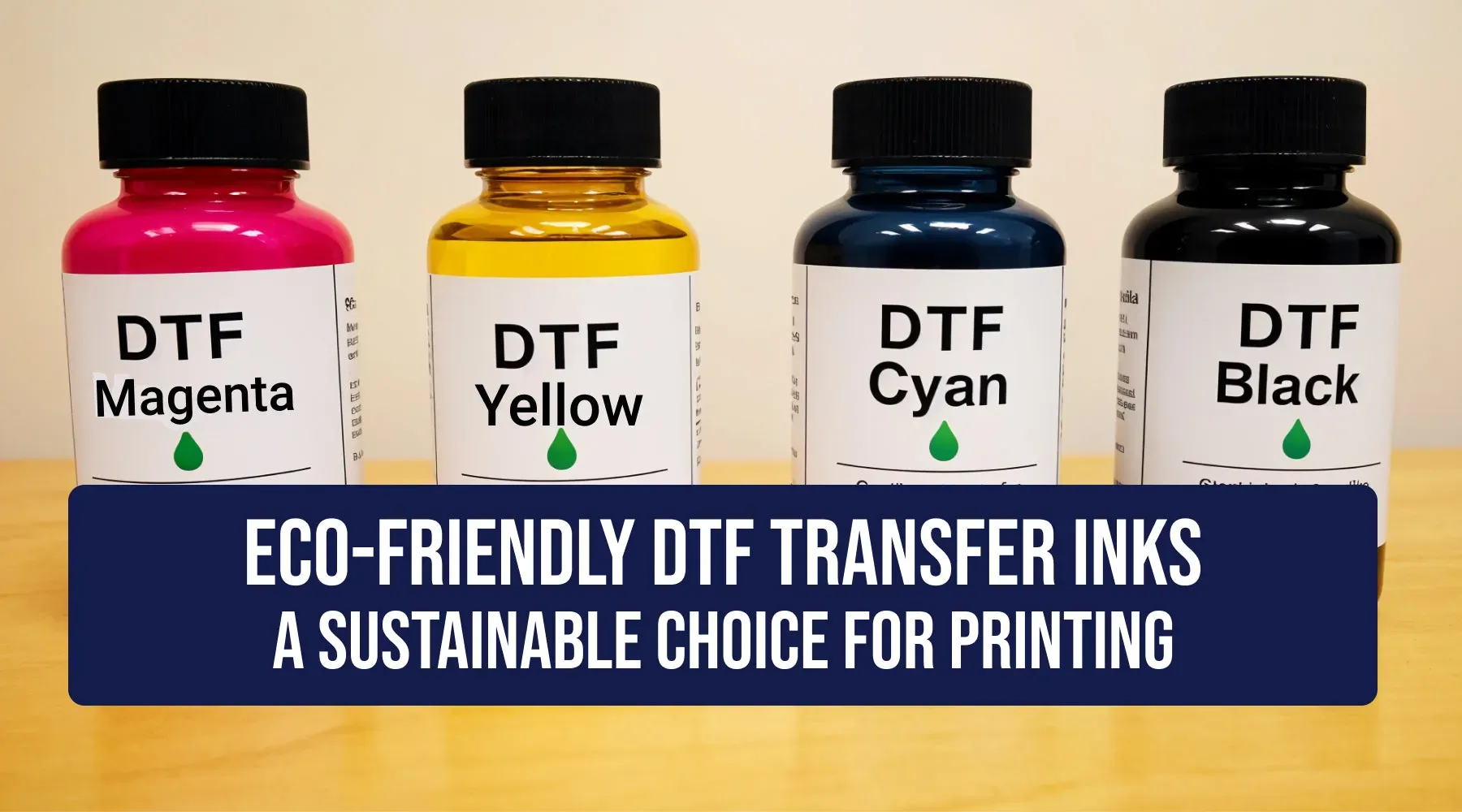
Eco-friendly DTF printing is redefining how small apparel shops bring bold designs to life while reducing environmental impact. By choosing sustainable DTF inks and water-based inks for DTF, brands can achieve bright, durable results without compromising the planet. This approach supports lean production, cleaner air in studios, and a stronger story for customers who value responsibility. Smart material choices—from textile sourcing to waste management—tie into a broader commitment to responsible operations. The guidance that follows offers practical steps to balance vibrant prints with mindful practices.
Beyond the marketing banner, this approach reflects green transfer printing and environmentally conscious garment imaging, focusing on performance with less waste. LSI-informed framing brings attention to low-impact inks, reusable or recyclable packaging, and energy-aware production workflows that deliver sustainable outcomes. Frame your messaging around transparent supply chains, responsible fabric choices, and care guidance that extend garment life. In practice, these terms translate into concrete steps—from material sourcing to workflow optimization—that strengthen your brand's environmental stewardship.
Eco-friendly DTF Printing for Small Shops: A Practical Path to Sustainability
Eco-friendly DTF printing is more than a buzzword for small apparel shops—it's a practical path to delivering vibrant designs while shrinking environmental impact. By considering inks, powders, fabrics, energy use, and waste handling at every step, a shop can reduce its ecological footprint without sacrificing quality or profitability. This approach aligns with the growing demand for responsible production and helps differentiate your brand in a crowded market.
For small shops, adopting eco-friendly DTF printing isn’t just about compliance—it’s a strategic advantage. Sustainable choices can attract conscious customers, lower operating costs over time, and strengthen your brand narrative around people and the planet. When you communicate these efforts clearly, you create trust and loyalty that supports long-term growth in the realm of eco-friendly garment printing.
Sustainable DTF Inks: How to Choose for Impact and Compliance
Ink selection is one of the most critical decisions for eco-friendly DTF printing. The sustainable DTF inks path often centers on water-based or pigment-based formulations that are less toxic and easier to recycle than traditional solvent-based systems. Look for inks with third-party certifications, a documented environmental impact assessment, and transparency around materials and processing.
When evaluating inks, ask suppliers for SDS sheets, restricted substances lists, and evidence of environmental performance. Check for OEKO-TEX or GOTS-related textile certifications, and verify print durability and wash-fastness on the fabrics you serve. Choosing inks with solid sustainability credentials helps you deliver on promises of eco-friendly garment printing without compromising on quality.
Water-Based Inks for DTF: Benefits, Trade-offs, and Best Practices
Water-based inks for DTF are widely recognized as a greener option, often emitting fewer VOCs during printing and curing. They support strong color depth and saturation on cotton and blends, and pair well with eco-friendly transfer films designed for responsible usage. This approach aligns with the broader goal of sustainable DTF inks while maintaining print quality.
However, water-based inks can introduce trade-offs such as slower dry times in humid environments or the need for meticulous maintenance to prevent clogs. To maximize results, ensure a well-ventilated workspace, proper filtration, and routine print-head maintenance. A disciplined approach to workflow and environmental controls helps sustain high performance in eco-conscious operations.
Eco-Friendly Garment Printing: Materials and Transparent Supply Chains
The fabrics you choose have a significant effect on the sustainability of your prints. Eco-friendly garment printing benefits from organic cotton, recycled polyester, and blends with recycled content when paired with low-impact inks and responsible processing. Favor textiles with transparent fiber provenance and sustainable dyeing practices to minimize environmental impact across the supply chain.
In eco-friendly garment printing, every link matters—from fiber cultivation to energy used during weaving and finishing. Encourage customers to opt for garments designed for longer wear, which reduces per-unit impact even when the inks and transfers are optimized for sustainability. Transparent sourcing helps build trust and reinforces your sustainability story for small shops.
Reducing Waste in DTF: Powders, Films, and Packaging Optimization
DTF processes rely on adhesive powders and PET films, which can generate significant waste if not managed thoughtfully. Implement programs to reclaim or recycle powder remnants where feasible and partner with suppliers offering reduced-waste packaging or reusable film options. Training staff on efficient powder usage, proper cleaning to recover unused material, and correct storage can extend shelf life and reduce waste.
Some shops explore lower-waste film and powder formulations that preserve transfer reliability while cutting waste. Consider take-back or recycling partnerships and design packaging with recyclability in mind. Communicating these waste-reduction efforts reinforces your role in eco-friendly garment printing and demonstrates real commitment to the planet.
Energy-Efficient DTF Workflows for Sustainability in Small Shops
Energy is a major cost and environmental variable in any printing setup. For eco-friendly DTF printing, evaluate heat presses, curing equipment, and supporting devices for energy efficiency, cooling needs, and optimized cycle times. Maintaining a stable ambient temperature and good airflow can reduce energy use without sacrificing print quality.
Adopt practical strategies such as scheduling production to minimize idle times, using multi-purpose equipment, and powering down nonessential devices during breaks. Regular maintenance and clean air handling further improve efficiency. A well-planned workflow supports sustainability for small shops by lowering energy bills and reducing the overall footprint of your operations.
Frequently Asked Questions
What is eco-friendly DTF printing and why should a small shop consider it?
Eco-friendly DTF printing is the practice of selecting inks, powders, fabrics, and workflows that minimize environmental impact while delivering durable, vibrant transfers. For small shops, it means lower VOCs from inks, reduced waste, and smarter energy use, often supported by sustainable DTF inks and eco-friendly garment printing principles. Adopting these choices can attract conscious customers and build a responsible brand.
How do water-based inks for DTF improve sustainability without sacrificing color and durability?
Water-based inks for DTF reduce VOC emissions and indoor air concerns, supporting cleaner shop environments. They can deliver strong color depth on cotton and blends when paired with compatible films and heat-press settings. Minor trade-offs may include speed and head maintenance, but with proper ventilation and routine care, results remain vibrant and durable.
Which fabrics and materials align with eco-friendly garment printing for DTF?
Choose fabrics with transparent supply chains, such as organic cotton or recycled-content blends, to enhance eco-friendly garment printing. Pair these with responsible processing and low-impact inks to extend garment life and reduce overall environmental footprint.
What practical steps can a small shop take to improve sustainability for small shops using DTF printing?
Start with an audit of inks, powders, films, and packaging; prioritize water-based inks for DTF when possible; source fabrics with recycled or organic content; optimize energy use and ventilation; and reduce packaging waste. Communicate progress on sustainability for small shops via your site and product pages to differentiate your brand.
How can a studio reduce waste from powders and films in eco-friendly DTF printing?
Implement powder reclamation and recycling programs, choose recyclable or reusable film options, and train staff on precise powder usage and cleaning. Seek suppliers offering reduced-waste packaging and keep films and powders stored properly to extend shelf life.
How should I communicate the benefits of eco-friendly DTF printing to customers and measure impact?
Document and share outcomes such as lower VOCs, waste reduction, and energy savings as part of your eco-friendly DTF printing narrative. Use simple metrics (ink and packaging waste, energy use, colorfastness tests) and certifications to demonstrate progress in sustainable DTF inks and eco-conscious garment printing, reinforcing sustainability for small shops.
| Topic | Key Points |
|---|---|
| Introduction to eco-friendly DTF printing | eco-friendly DTF printing is a practical path for small apparel shops to deliver vibrant designs while reducing environmental impact; success depends on choices across inks, powders, fabrics, energy, waste handling, and packaging; sustainable practices can attract conscious customers and reduce costs over time. |
| Sustainable DTF inks | Inks with lower environmental impact; water-based and pigment-based options; require SDS checks, lifecycle assessments, and certifications (OEKO-TEX, GOTS); consider durability and wash-fastness across fabrics. |
| Water-based inks | Fewer VOCs; good color depth on cotton/blends; concerns: print speed, humidity effects, maintenance to prevent clogs; ensure ventilation and filtration. |
| Eco-friendly garment printing fabrics | Organic cotton, recycled polyester, blends with recycled content; supply chain transparency; design for longer wear reduces per-unit impact. |
| Waste reduction powders and films | Recycle/reclaim powder remnants; reusable film; reduces waste; train staff in powder management; proper storage to extend shelf life. |
| Energy efficiency | Evaluate heat press/curing equipment; ambient temperature control; schedule production to minimize idle energy; good airflow. |
| Packaging and end-of-life | Minimize plastic; recyclable/compostable packaging; reuse packaging; take-back programs; communicate care and recycling guidance. |
| Workflow optimization | Consultative order intake; design/garment choices to reduce rework; proofs and color management; pre-press inspection; align production calendar with energy profile. |
| Quality and customer satisfaction | Tests for durability; communicate care; base marketing on data like wash tests; ensure prints are wash-fast and long-lasting. |
| Practical steps for small shops | Audit materials; choose sustainability-focused inks; source fabrics with transparent supply chains; optimize energy; reduce packaging waste; build a communication plan; measure waste/energy/returns and iterate. |
| Case study | Real-world shop transition: replaced solvent inks with water-based; used recycled-content fabrics; implemented waste reduction; improved efficiency and customer interest. |
Summary
This table highlights the core ideas from the base content, focusing on eco-friendly DTF printing practices, sustainable ink options, materials, waste reduction, energy efficiency, packaging, workflow, quality, practical steps for small shops, and a real-world case study. The emphasis is on actionable strategies that small shops can adopt to balance print quality with environmental responsibility.