
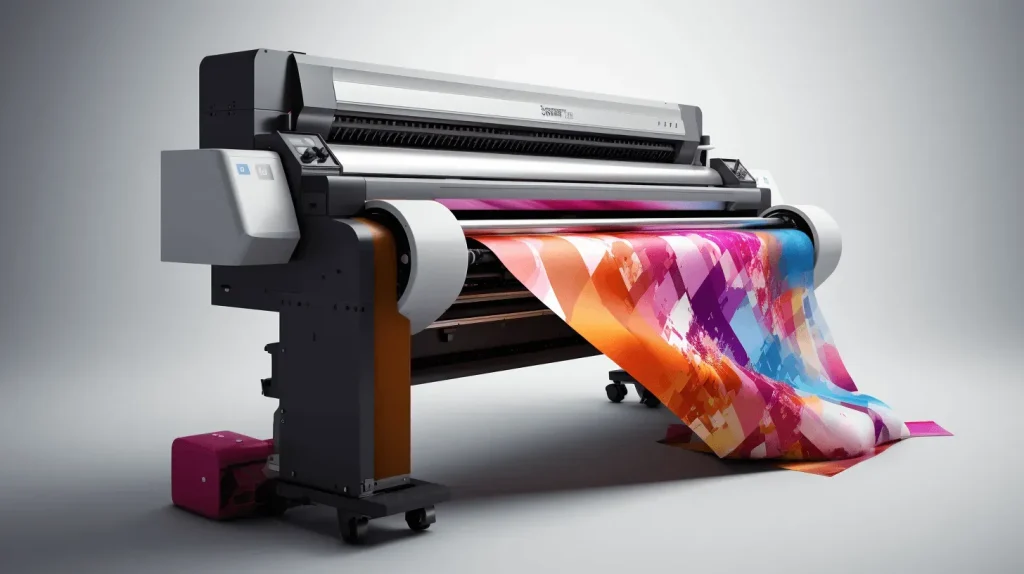
DTF printing, or Direct-to-Film printing, is reshaping the landscape of textile printing, especially for beginners and small business owners looking to create vibrant, high-quality designs. This innovative technique bridges the gap between digital printing and textile applications, allowing users to achieve stunning prints on a variety of fabrics with ease. In this guide, we will explore essential DTF printing tips and the best DTF printers tailored for those just starting out in this exciting field. Whether you’re curious about DTF printing equipment or seeking guidance on how to DTF print, we’ve got you covered. By equipping yourself with the right knowledge and tools, you can dive into the world of DTF printing and unleash your creative potential.
The process of Direct-to-Film printing represents a remarkable evolution in the realm of custom fabric printing. This cutting-edge method combines the efficiency of digital technology with the durability of heat transfer, making it a favored choice for hobbyists and entrepreneurs alike. Aspiring printers can benefit from a plethora of resources on topics such as essential DTF printing equipment and simple guideposts for DTF printing for beginners. By mastering how to print onto films designed specifically for this technique, artists can produce detailed graphics, vibrant colors, and intricate designs for fabric applications. As you embark on this journey, embracing the nuances of DTF printing will empower you to bring your unique vision to life.
Understanding the Basics of DTF Printing
Direct-to-Film (DTF) printing combines cutting-edge technology with traditional screen printing techniques, allowing for vivid designs and seamless transitions onto fabric. Unlike Direct-to-Garment (DTG) printing, DTF printing involves transferring designs printed on a special film using heat and adhesive, which makes it incredibly versatile for different fabric types. This method is particularly popular among hobbyists and small business owners due to its affordability and efficiency in producing high-quality custom textiles.
For beginners, grasping the foundational concepts of DTF printing is vital. Start by familiarizing yourself with the types of films and inks used in the process. The choice of DTF film affects the overall print quality and durability, while the specific inks designed for DTF printing ensure that colors are vibrant and long-lasting on fabrics. By understanding these basics, aspiring printers lay the groundwork for successful and professional results.
Essential Tools for Effective DTF Printing
To achieve stunning results in DTF printing, equipping yourself with the right tools is essential. The primary component is a high-quality DTF printer; models from reputable brands like Epson often come highly recommended for beginners due to their reliability and print accuracy. These printers are designed specifically for the DTF workflow, ensuring seamless integration with the rest of the printing process.
In addition to a DTF printer, investing in a quality heat press is crucial. Look for heat presses that offer temperature and pressure adjustments, as these factors significantly impact the success of your transfers. A sturdy heat press will help ensure that the adhesive bonds properly to your fabrics, yielding vibrant and lasting designs. Remember, without the correct equipment, even the most beautiful designs can fall short of expectations.
DTF Printing Tips for Beginners
As you embark on your DTF printing journey, starting with simpler designs can be immensely beneficial. This approach allows beginners to familiarize themselves with the DTF printing process without the frustration that can accompany complex graphics. Taking the time to understand how your designs transfer onto fabric also builds confidence, making the learning experience enjoyable and fulfilling.
Moreover, it’s important to closely follow the temperature and time settings recommended by your printer’s manufacturer. Common settings typically range around 320°F (160°C) for about 10 to 15 seconds. Adhering to these guidelines ensures that transfers adhere effectively and remain durable over time. As you build your skills, keep refining your technique by experimenting with different materials and designs to enhance your output quality further.
Quality Control in DTF Printing Processes
Quality control is a critical aspect of DTF printing, especially for those who aim to turn their hobby into a source of income. Regularly inspecting your prints for consistency and precision can help catch any issues early on. Consider keeping a journal of your settings and results to track what works best for specific designs and materials. This practice aids in understanding how variables like temperature, pressure, and even design intricacies affect the final product.
Testing different papers and adhesive powders can also significantly improve the quality of your prints, as inferior materials can lead to subpar results. By investing time in quality control and material testing, you’re more likely to differentiate your prints and enhance your reputation within the DTF printing community.
Learning Resources for Mastering DTF Printing
The DTF printing community is rich with resources ranging from online tutorials to forums and blogs. Websites like Printavo and Pro World offer comprehensive guides that can provide insights into best practices and troubleshooting. These platforms can be particularly useful for beginners who may have questions about specific techniques or equipment.
Social media groups and video tutorials can also serve as valuable resources, offering a platform where you can connect with other DTF enthusiasts. Engaging with these communities not only enhances your learning experience but also opens doors to networking opportunities and potential collaborations within the industry. Sharing experiences and seeking advice from seasoned printers can significantly shortcut your learning curve.
Exploring Recent Developments in DTF Printing
Recent advancements in DTF printing technology are making the process more accessible for beginners and professionals alike. New innovations have resulted in improved printing equipment that enhances speed and efficiency without compromising quality. Additionally, the advent of eco-friendly materials and inks is allowing printers to be more sustainable while delivering stunning results.
As more suppliers emerge in the DTF printing market, the availability of high-quality films, adhesive powders, and accessories has improved notably. This influx enables beginners to select materials that suit their specific projects, making it easier to experiment and refine their craft. Staying informed about these developments can inspire creativity and foster further development of skills within the DTF printing landscape.
Frequently Asked Questions
What is DTF printing, and how does it work?
DTF printing, or Direct-to-Film printing, is a modern printing technique that transfers designs onto various fabrics. It involves printing a design on a special film with a DTF printer, applying adhesive powder, and then using heat and pressure from a heat press to transfer the design onto the fabric. This method is gaining popularity for its ability to produce vibrant, high-quality prints on clothing.
What equipment do I need for DTF printing as a beginner?
To start DTF printing as a beginner, you will need a reliable DTF printer (like those from Epson or Ricoh), a heat press for transferring designs, high-quality DTF film, adhesive powder for binding ink to fabric, and design software like Adobe Illustrator. Investing in quality equipment will help ensure the best results in your DTF printing projects.
What are some key tips for successful DTF printing?
For successful DTF printing, begin with simple designs to grasp the technique. Pay close attention to the recommended temperature and time settings, usually around 320°F (160°C) for 10 to 15 seconds. Regularly review and adjust your settings based on print quality, and always follow safety precautions when handling chemicals and powders.
How do I choose the best DTF printer for my needs?
When selecting the best DTF printer, consider factors such as print quality, durability, and compatibility with DTF workflows. Popular brands like Epson and Ricoh offer models specifically designed for DTF printing, which accommodate pigment inks and provide excellent resolution for detailed prints.
What are some common challenges faced by beginners in DTF printing?
Beginners in DTF printing may encounter challenges such as improper heat settings, issues with adhesive bonding, and difficulties in achieving vibrant colors. It is essential to experiment with different materials, monitor print quality, and adjust your techniques as you learn to overcome these challenges effectively.
Where can I find resources to learn more about DTF printing?
To expand your knowledge on DTF printing, explore online tutorials on platforms like YouTube, join dedicated forums and social media groups focused on DTF techniques, or enroll in online courses that offer comprehensive guides. Websites like Printavo and Pro World provide valuable information and updates about DTF printing best practices.
| Key Point | Detail |
|---|---|
| Definition of DTF Printing | DTF printing stands for Direct-to-Film printing, a method popular among crafters and entrepreneurs for creating custom textiles. |
| Printing Process | Involves printing a design on special DTF film, applying adhesive powder, and transferring it onto fabric with heat and pressure. |
| Essential Equipment | Key tools include a DTF printer, heat press, DTF film, adhesive powder, and compatible design software. |
| Tips for Beginners | Start with simple designs, follow recommended heat settings, perform quality checks, and practice safety precautions. |
| Learning Resources | Utilize online tutorials, forums, and specialized blogs for guidance on DTF techniques. |
| Recent Developments | Innovations and more suppliers are making it easier for beginners to enter the DTF printing market. |
Summary
DTF printing is transforming the landscape of custom textile printing by providing a user-friendly and versatile method for creating vibrant designs. It combines digital printing with heat transfer techniques, enabling crafters and entrepreneurs to bring their artistic visions to life. As the DTF printing community grows, beginners have access to abundant resources and tools that enhance their learning experience. By investing in quality equipment and connecting with fellow printers, anyone can produce professional-grade prints, leading to potential business opportunities. Ultimately, DTF printing not only simplifies the process of textile design but also opens doors for creativity and entrepreneurship.