
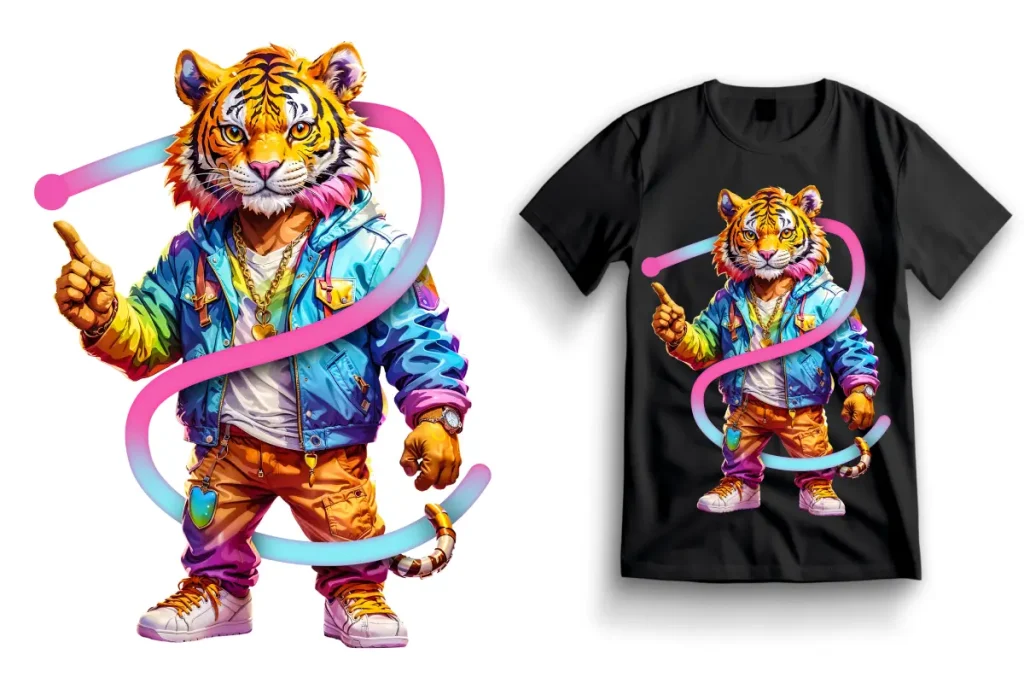
Modern garment print shops are completely shifting how they manage small-batch production and full-color custom orders without losing their minds over overhead costs. For a long time, starting a custom clothing brand meant choosing between the heavy setup limitations of screen printing or the rigid, stiff texture of standard vinyl transfers. Today, commercial-grade dtf transfers have eliminated those historical bottlenecks by introducing a highly adaptable digital workflow that prints brilliant graphics onto specialized carrier sheets. This innovative direct-to-film printing technology allows independent creators and high-volume apparel businesses alike to execute crisp, complex designs on demand. By understanding the underlying mechanics of this process, local decorators can drastically improve their speed to market and deliver clothing that stands up to retail standards.
The true power of modern DTF systems lies in their unique chemistry, combining highly flexible textile inks with a specialized thermoplastic polyurethane adhesive powder. Unlike older digital heat transfers that felt like a heavy plastic shield stuck onto a t-shirt, these specialized prints fuse directly with the underlying fabric fibers at a molecular level. This precise structural bond keeps the decorated surface lightweight, breathable, and highly stretchable. Because the process avoids the labor-intensive weeding required by traditional heat transfer vinyl, creators can easily produce highly detailed artwork with thousands of individual positive and negative spaces without spending hours peeling away excess material by hand on the shop floor.
The Complete Production Workflow of Direct to Film Prints
To successfully integrate this technology into a profitable business model, apparel decorators must understand each mechanical stage of the manufacturing process. The cycle begins with advanced wide-format inkjet systems that utilize industrial printheads to deposit colors with extreme accuracy. The machine prints the full CMYK spectrum first, immediately laying down a heavy white underbase directly on top of the design. This white backing layer is critical because it ensures total opacity, blocking the underlying dye of dark fabrics from migrating into your artwork or turning bright pastel designs dull and muddy.
While the printed inks are still wet on the clear film roll, the carrier sheet automatically moves into a powder shaking unit. Here, a uniform layer of fine adhesive powder is distributed across the film, binding strictly to the wet ink areas. Automated mechanical shaking bars rapidly vibrate the sheet to remove any loose powder from the unprinted transparent boundaries. Once cleared, the film enters a specialized infrared conveyor oven that bakes the powder at precise temperatures until it melts into a smooth, even adhesive gel layer. This cured film roll can then be safely stored for months or shipped directly to designers who are ready to press the designs onto their blanks using a professional heat press.
How Local Sourcing Boosts Apparel Production Speed
For custom uniform coordinators, fashion brands, and event marketers handling fast turnarounds, shipping logistics can easily make or break a business relationship. Relying on cross-country or overseas factories leaves an operation vulnerable to customs holdups, carrier delays, and high freight expenses that chip away at profit margins. Actively searching for premium dtf transfers near me allows local creative directors to locate responsive regional manufacturing hubs capable of fulfilling urgent orders within short windows. Sourcing your prints close to home means you can bypass shipping delays entirely, pick up rush orders the same day, and manage your inventory with total peace of mind.
Working with a nearby production asset also allows you to conduct physical quality checks and real-world press tests before committing to a massive manufacturing run. Instead of uploading digital artwork online and hoping the colors look accurate, local proximity lets you review exact press samples and verify material elasticity firsthand. This direct collaboration is incredibly valuable when laying out complex gang sheets, which compile dozens of different client logos and graphics onto a single continuous roll of film to optimize material usage and dramatically drop the individual cost per print across your entire project catalogue.
Evaluating Material Standards Across the Southern Market
The custom garment decoration space across Texas is intensely competitive, forcing shop owners to audit their raw materials carefully to stay ahead of the pack. Securing the absolute best dtf transfer at Houston requires looking beyond cheap advertising and focusing entirely on the commercial hardware and chemical inputs used by a facility. Low-grade hobby setups often cut corners by utilizing converted desktop home printers and generic ink formulas that result in brittle, scratchy prints that fade rapidly after a few washes. High-tier commercial operations, by contrast, invest in industrial-grade dual-head setups that guarantee flawless registration, solid white backings, and rich color transitions that feel remarkably soft to the touch.
Premium digital transfer films are treated with specialized double-matte coatings that hold heavy water-based inks perfectly stable during high-speed printing runs but release effortlessly from the ink layer once the heat press cycle is complete. This technical precision prevents common application problems like oil blinking, where residual chemical components sweat through the ink grid and leave a greasy stain around the applied graphic. By keeping their high-end hardware precisely calibrated and using top-tier chemical components, an experienced regional supplier like Harwin DTF provides the dependable material stability that local clothing lines need to scale up their inventory with complete confidence.
When you align your brand with a dedicated partner for your Houston dtf transfer needs, you gain access to commercial-grade automated curing systems that distribute identical heat levels across every square inch of the film roll. This uniform curing is essential for intricate graphics that combine heavy, solid color blocks alongside ultra-fine text lines or distressed vintage textures. The resulting transfer offers uniform stretchability and durability across the entire design field, allowing your shop to comfortably fulfill bulk orders for corporate marketing teams, local school districts, and high-volume event promotions.
A Professional Step-by-Step Heat Press Application Guide
Securing a permanent, retail-quality bond between the digital print sheet and your target apparel depends entirely on maintaining precise control over your heat press variables. Even the highest grade transfer film can encounter adhesion issues if temperature or pressure values are uncalibrated. Follow this structural protocol for flawless garment decoration:
- The Moisture Elimination Pre-Press: Position your blank apparel item squarely onto the lower platen of the heat press and secure the machine for 3 to 5 seconds. This simple step pulls natural moisture out of the textile fibers and flattens out any packaging wrinkles. Trapped fabric moisture will turn to steam during the main press cycle, creating microscopic air pockets that weaken the long-term bond of the polymer adhesive.
- Alignment and Visual Tracking: Center your custom print film onto the target zone with the ink and adhesive backing facing directly down onto the garment surface. Because the clear carrier sheet is translucent, you can easily verify alignment against the collar lines and shoulder seams. Use heat-resistant tape if you are working with complex multi-print placements or slick synthetic fabrics.
- Targeted Temperature Application: Program your heat press settings to match the exact fabric blend of your blank item. For standard 100 percent cotton pieces and heavy blended fleece hoodies, configure the machine to operate between 285 and 300 degrees Fahrenheit, applying firm, medium-heavy pressure for 10 to 12 seconds. For heat-sensitive synthetic performance materials like polyester athletic jerseys, drop the temperature to 275 degrees Fahrenheit to protect the underlying fibers from heat scorching.
- The Thermal Cooling Phase: Carefully lift the garment away from the hot press platens and set it aside on a smooth, flat table to cool completely down to room temperature. Attempting to peel away the carrier sheet while the polymer layer is still warm can deform the print edges and pull fine design details away from the fabric. Once the transfer is cool to the touch, smooth the plastic sheet away in a single, low-angle motion.
- The Structural Post-Press Finish: Place the decorated shirt back onto the lower platen, cover the exposed artwork with a high-grade sheet of parchment paper or a textured silicone matte, and lock the press down for a final 5 seconds. This secondary heating step drives the outer borders of the graphic deep into the physical weave of the fabric, ensuring maximum washing endurance and leaving a soft, retail-grade surface texture.
Frequently Asked Questions About Digital Textile Printing
What causes digital transfers to crack or peel after the first few washes?
Premature cracking or lifting is almost always caused by inadequate downward pressure or insufficient temperatures during the initial heat pressing stage, which prevents the polymer adhesive from fully melting into the fabric fibers. Always ensure your equipment is properly calibrated and avoid using standard household hand irons, which cannot provide the perfectly uniform heat distribution required for commercial durability.
Can these digital graphics be safely applied to high-performance sportswear?
Yes, they can be applied to polyester activewear, provided you use a specialized low-temperature pressing technique or an anti-migration white ink formula. Polyester dyes can become volatile when heated, causing the garment color to bleed upward into light-colored prints. Utilizing a low-temperature powder or a carbon-infused blocker layer isolates the print, keeping your whites bright and your colors true.
What are the ideal laundering steps for maximizing print longevity?
To preserve the flexibility and color brightness of your custom prints, garments should always be turned inside out before being washed. Launder the items in cold or warm water using a mild, non-bleach detergent. Avoid running the garments through high-heat cycles in commercial clothes dryers; instead, air-dry the items or select a low-heat, delicate dryer setting to preserve the flexible polymer bond.
What digital file guidelines are required for ordering high-resolution film rolls?
Artwork files must be submitted at a minimum resolution of 300 DPI at the exact physical size you want the graphic printed. The preferred formats are transparent PNGs, vector PDFs, or native Adobe Illustrator files. It is critical that the background of your artwork is completely transparent, because the printing system will apply white ink and adhesive powder to any stray pixels or solid backgrounds detected in the file.
Driving Long-Term Business Growth with Reliable Prints
Sustaining a profitable clothing brand or a busy custom uniform workshop requires print tools that offer absolute design flexibility without creating heavy production bottlenecks. By moving your core production workflow to premium dtf transfers, you remove the high setup costs of old-school textile methods and unlock unlimited multi-color potential. Sourcing your components through a responsive, local manufacturing partner allows you to minimize material waste, lower warehousing overhead, and react instantly to shifting retail trends. Partnering with a dedicated regional specialty brand like Harwin DTF provides your team with direct access to consistent commercial calibration and high-performance chemical inputs, ensuring that every custom item you deliver to the market serves as a direct reflection of professional craftsmanship and durability.