
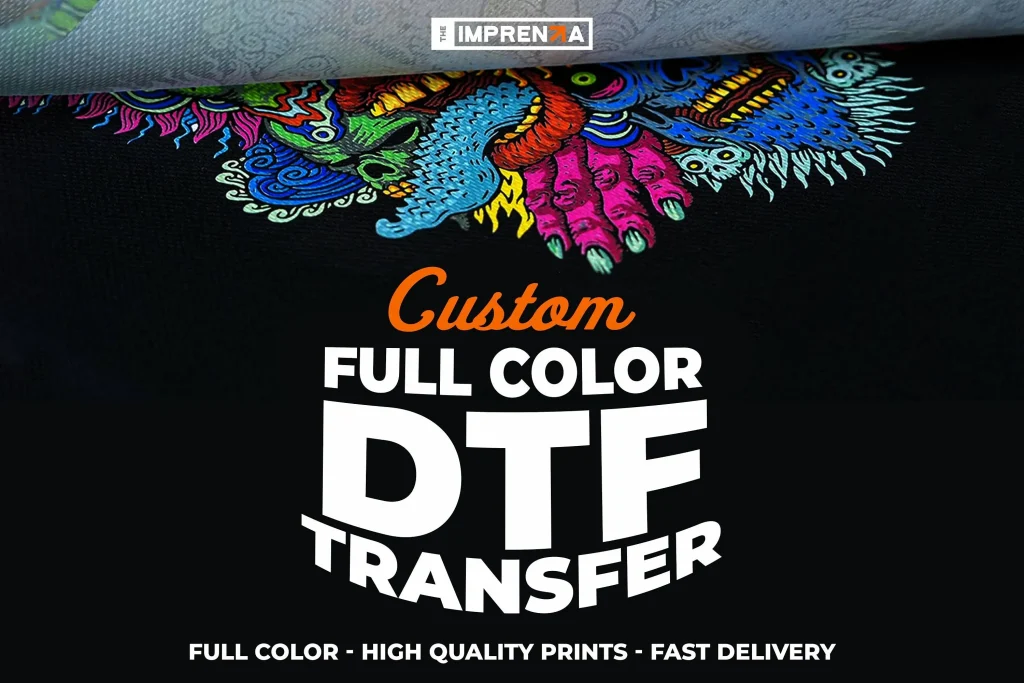
In the ever-evolving landscape of T-shirt printing solutions, DTF transfers have emerged as a revolutionary technique that is capturing the attention of custom apparel designers and manufacturers alike. Short for Direct to Film printing, this innovation not only expands the potential for creative designs but also offers numerous advantages over traditional methods like screen printing. DTF transfers allow for high-quality, vibrant prints that can withstand the test of time without fading or cracking, making them a desirable choice for both small businesses and large-scale operations. With a focus on eco-friendly printing practices, DTF technology aligns with the growing need for sustainable solutions in the apparel industry. As we delve deeper into this guide, you’ll uncover the benefits and future possibilities that DTF transfers hold for modern printing.
Often referred to as Direct to Film technology, this advanced printing solution enables designers to transfer intricate and colorful designs onto various fabrics with impressive clarity. Known for their efficiency and eco-considerate processes, these film transfers are a solid alternative to more traditional screen printing methods, which can be limited in terms of customizability and design complexity. The flexibility offered by DTF allows for personalized designs and short-run production, catering perfectly to today’s consumer demands. As we explore this modern technique, it’s essential to understand its role in reshaping the landscape of custom apparel printing and defining new standards in print quality and sustainability.
The Evolution of T-Shirt Printing Solutions
T-shirt printing has undergone significant transformations over the past few decades, transitioning from traditional methods to more advanced technologies. As custom apparel becomes increasingly popular, consumers are now looking for printing solutions that not only achieve vibrant colors but also meet sustainability criteria. Innovations such as Direct to Film (DTF) printing have emerged to address these demands, providing a modern alternative that mirrors the artistic visions of both consumers and brands. The shift towards graphic-driven designs has been a catalyst for this evolution, pushing companies to adopt new methods to enhance creativity and efficiency.
Aside from DTF, the landscape of T-shirt printing solutions includes techniques like direct-to-garment (DTG) printing and screen printing. Each method has its own unique strengths; however, DTF printing stands out due to its ability to produce high-resolution prints with exceptional color vibrancy. As a result, it’s becoming the go-to choice for businesses looking to offer customized apparel, ensuring that they can cater to the diverse and ever-changing tastes of their clientele.
Why DTF Transfers Will Replace Traditional Methods
Traditionally, screen printing dominated the garment printing landscape, yet it is increasingly overshadowed by the emergence of DTF transfers. This shift is attributed to several compelling advantages offered by DTF technology, which include reduced setup times and the ability to handle intricate designs without compromising quality. As businesses become more aware of the limitations of conventional methods, such as long production times and high costs, they are turning their focus towards adopting DTF transfers for their efficiency and versatility.
Another critical factor driving the adoption of DTF transfers is the eco-friendly nature of the inks used in the process. Businesses are now prioritizing sustainable practices and reducing their carbon footprints, making DTF transfers an attractive alternative for eco-conscious brands. Unlike some traditional printing methods that may require harmful chemicals during production, many DTF inks are water-based and non-toxic, appealing to a modern audience concerned with sustainability.
The Impact of Eco-Friendly Printing Technologies
The growing awareness of environmental issues has undeniably influenced the printing industry, leading to a demand for eco-friendly printing technologies. DTF transfers are at the forefront of this movement, offering a greener option without sacrificing quality. With advancements in ink formulation, many DTF solutions utilize eco-friendly, water-based inks that reduce the harmful environmental impact commonly associated with other printing methods. This shift not only satisfies consumer preferences for sustainable options but also supports businesses in aligning with corporate social responsibility goals.
Moreover, the implementation of eco-friendly practices extends beyond ink choices. Companies adopting DTF transfers are often reevaluating their entire production processes, seeking to minimize waste and energy consumption. By leveraging efficient DTF technology, businesses enhance their operational practices to create a more sustainable future while maintaining exceptional printing quality. This holistic approach positions them as leaders in environmentally responsible custom apparel printing.
Speed and Efficiency in Production
In today’s fast-paced market, speed and efficiency are essential components for success, particularly in the custom apparel industry. DTF transfers possess a remarkable advantage over traditional printing techniques when it comes to production speed. The technology allows for rapid printing and a simplified workflow, enabling businesses to meet tight deadlines without compromising on quality. As a result, enterprises can cater to evolving consumer demands and trends more effectively.
Furthermore, DTF transfers diminish lead times significantly. In contrast to the labor-intensive processes involved in screen printing, DTF technology allows for immediate design adjustments and quick setup. This agility enhances overall productivity, making it a preferred choice for brands that need to maintain a competitive edge in the ever-changing T-shirt printing market.
Customization Trends in Apparel Printing
Customization has become a significant trend in the apparel industry, with consumers increasingly seeking personalized products that reflect their individual styles. DTF transfers cater to this growing demand by offering high-quality prints that can easily be tailored to meet specific customer requirements. The adaptability of DTF technology ensures that businesses can produce small runs or unique designs without the high costs associated with traditional methods like screen printing.
Moreover, DTF transfers facilitate the integration of intricate graphics and vibrant colors, making them an ideal choice for brands aiming to diversify their product offerings. As personalization continues to influence consumer behavior, businesses leveraging DTF technology can develop custom apparel solutions that resonate with their audience, further enhancing customer loyalty and satisfaction.
The Future Prospects of DTF Printing
Looking ahead, the future prospects for DTF printing are promising as innovations and advancements continue to emerge in the technology. Industry analysts predict a steady growth in the market as more manufacturers introduce advanced printing equipment tailored specifically for DTF solutions. This influx of accessibility will likely spur more businesses to invest in DTF technology, making it an integral part of the apparel production landscape.
Additionally, as equipment becomes more user-friendly and affordable, even smaller businesses and hobbyists will have the ability to embrace DTF printing. The scalability of this technology allows for an effective range of applications from small-scale custom shops to large manufacturers. With its superior quality, cost-effectiveness, and eco-friendly advantages, DTF printing is not merely a passing trend but represents a seismic shift in the printing industry, paving the way for a cleaner and more creative future in custom apparel.
Frequently Asked Questions
What are DTF transfers and how do they compare to traditional T-shirt printing methods?
DTF transfers, or Direct to Film transfers, involve printing designs on a special film, which are later transferred to fabric using heat and pressure. Unlike traditional methods such as screen printing, DTF offers vibrant colors and intricate details with lower setup costs, making it an efficient choice for custom apparel printing.
How do DTF transfers contribute to eco-friendly printing practices?
DTF transfers contribute to eco-friendly printing by utilizing water-based inks that are less harmful to the environment compared to traditional inks used in screen printing. This aligns with the sustainability goals of businesses and consumers, making DTF an appealing option for eco-conscious custom apparel initiatives.
What are the advantages of using DTF transfers over screen printing alternatives?
The advantages of DTF transfers compared to screen printing alternatives include exceptional print quality, cost-effectiveness for small batches, superior durability and longevity of prints, as well as faster production times, making DTF a preferred choice for T-shirt printing solutions.
Can DTF transfers handle intricate designs for custom apparel printing?
Yes, DTF transfers excel in handling intricate designs thanks to their high-resolution capabilities. This technology allows for the reproduction of complex graphics without sacrificing print quality, making it ideal for artists and brands seeking to create unique custom apparel.
How does the speed of DTF transfers impact T-shirt printing businesses?
The speed of DTF transfers positively impacts T-shirt printing businesses by allowing quicker production times, which enhances workflow efficiency. This capability is crucial for businesses that need to meet tight delivery deadlines while still providing high-quality custom apparel.
What trends are emerging in the DTF printing market that might affect future T-shirt printing solutions?
Emerging trends in the DTF printing market include increased adoption of DTF technology, innovations in print head and software technology, growing consumer demand for personalized prints, and an expanding marketplace. These trends indicate a bright future for DTF transfers in the custom apparel printing sector.
| Key Points | Details |
|---|---|
| Exceptional Print Quality | High-resolution prints with vibrant colors and intricate designs. |
| Cost-Effectiveness | Lower setup costs than screen printing, ideal for small businesses. |
| Durability and Longevity | Prints withstand multiple washes without fading or peeling. |
| Eco-Friendly Solutions | Many inks are water-based, reducing environmental impact. |
| Speed and Efficiency | Quicker production times, enhancing workflow efficiency. |
Summary
DTF transfers are revolutionizing the custom apparel industry with their incredible abilities to deliver high-quality prints at a lower cost. This innovative technology, which prints designs on specialized film for transfer to fabric, provides unmatched vibrancy and durability, making it an exceptional choice for T-shirt printing. Businesses that adopt DTF transfers can meet consumer demands for eco-friendly solutions and fast production times, ensuring they stay competitive in a rapidly evolving market. As DTF transfers continue to grow and improve in efficiency and technology, their importance in the future of apparel printing becomes even more prominent.