
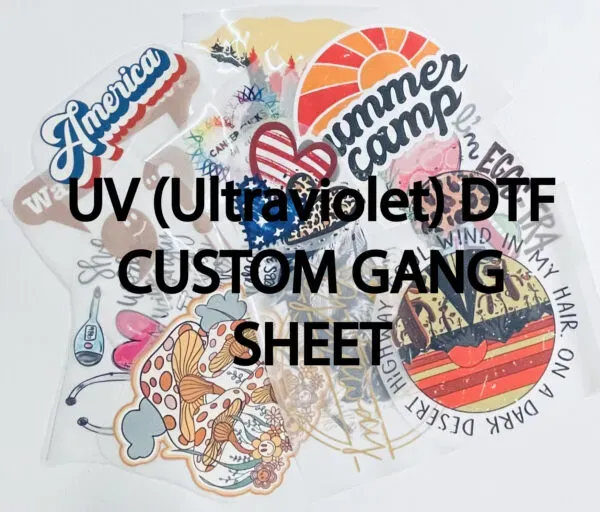
In the ever-evolving landscape of printing technology, UV DTF Gangheet stands out as a revolutionary process that is reshaping the industry. This innovative technique, which leverages ultraviolet light for direct to film printing, guarantees enhanced quality and durability of printed materials. With its ability to print vibrant colors on a variety of substrates including textiles and plastics, UV DTF Gangheet offers businesses unparalleled versatility. Moreover, its eco-friendly attributes align perfectly with the growing demand for sustainable printing solutions. For both established enterprises and emerging startups, mastering UV DTF printing is key to thriving in a competitive market.
Exploring the realm of UV DTF Gangheet introduces us to a modern approach known as direct to film printing (DTF), which utilizes advanced curing technologies to deliver exceptional results. This method not only streamlines the printing process but also supports sustainability through reduced waste and energy consumption. Furthermore, DTF printing, along with its counterpart UV printing, highlights a pivotal shift in garment printing practices, making it easier for businesses to produce intricate designs that are both durable and visually striking. As the demand for high-quality prints continues to rise, adopting these innovative techniques becomes increasingly essential for printing companies aiming to remain relevant and profitable.
Understanding the Mechanism of UV DTF Printing
UV DTF printing, or Direct to Film printing, utilizes a unique process involving special inks that are cured using ultraviolet light. This mechanism allows for rapid printing and immediate handling, which is a significant advantage compared to traditional printing methods. The films used in UV DTF printing are not only designed for high adhesion to a variety of substrates, but they also ensure that the colors remain vibrant and true to design intent. This technology is adept at creating sharp images and intricate patterns, making it an ideal choice for businesses looking to produce high-quality prints on garments and other promotional materials.
In essence, UV DTF printing operates by transferring a printed design from a film directly onto the substrate using heat and pressure. The UV light cures the ink almost instantaneously, allowing for quick turnover times and minimal waiting periods between printing and shipping. This accelerated process is a game-changer for printing businesses that aim to meet tight deadlines while maintaining high-quality standards. As the demand for custom printed products continues to rise, understanding the mechanisms of UV DTF Gangheet becomes crucial for any printing operation.
The Sustainable Edge of UV DTF Gangheet
One of the most critical advantages of UV DTF Gangheet is its focus on sustainability. In recent years, there has been a substantial push towards environmentally-friendly practices in the printing industry. UV DTF printing significantly reduces waste compared to traditional methods, as the technology allows for precise ink application, minimizing excess materials. Additionally, the inks used in this process are often free of harmful solvents and chemicals, making them safer for both the environment and the operator.
Moreover, UV DTF printing promotes a longer lifespan for products due to the durability of UV-cured inks. Items printed with this technology resist fading, cracking, and scratching, thereby extending the use-life of garments and promotional items. As consumers increasingly demand sustainable solutions, adopting UV DTF technology positions businesses as responsible market players while offering them the chance to attract eco-conscious customers.
Market Trends Influencing UV DTF Printing
The UV printing market is currently experiencing substantial growth, driven by several key trends. The increasing recognition of the benefits of UV DTF Gangheet is indicative of a broader transition towards high-quality, durable printing solutions. As businesses across various sectors adapt to consumer preferences for innovative products, the adoption of UV DTF is likely to surge. Sustainability, cost-efficiency, and print quality are central to this shift, with many companies reevaluating their printing processes to align with these emerging trends.
Furthermore, advancements in printing technology, including rapid curing times and reduced energy consumption, are making UV DTF more appealing. The integration of smart technologies and software solutions that facilitate design customization is also contributing to the market’s robust growth. Keeping a pulse on these developments allows printing businesses to make informed decisions that can enhance both their offerings and operational efficiencies.
Best Practices for Transitioning to UV DTF Technology
Transitioning to UV DTF printing technology requires careful planning and execution. One of the first steps is ensuring that staff are adequately trained in both the operation of new printing equipment and the unique aspects of UV DTF processes. Comprehensive training programs help teams understand the intricacies of the technology, reducing the likelihood of errors and improving overall output quality.
Moreover, selecting the right equipment tailored to specific production needs is vital. A thorough assessment of printing goals and capabilities should guide the choice of a UV DTF printer. This decision impacts not just the quality of the prints but also operational efficiency and material waste. By following these best practices, businesses can ease the transition into UV DTF printing and set themselves up for sustained success in a competitive landscape.
Case Studies Showcasing Success with UV DTF Printing
Numerous case studies have highlighted the transformative impact of UV DTF Gangheet on printing companies. For instance, several businesses that embraced this technology reported significant improvements in their production timelines and profit margins. By switching to UV DTF printing, these companies were able to reduce the turnaround time for orders, accommodating more projects and satisfying customer demands rapidly.
Additionally, these case studies often detail the successes in diversifying product offerings through the versatility of UV DTF printing. Organizations that previously relied solely on traditional methods were able to expand their services to include a broader range of items, including promotional materials and complex garment designs, thanks to the adaptability of UV DTF technology. These success stories serve as a testament to the potential benefits of embracing innovation in printing.
Future Predictions for UV DTF Printing Technology
Looking ahead, the landscape of UV DTF printing seems bright. Experts predict that advancements in this technology will continue to evolve, leading to even higher efficiencies, lower operational costs, and increased market competitiveness. Innovations such as faster curing processes and enhanced software capabilities for design workflow will position UV DTF at the forefront of printing technology.
Additionally, as consumer demands shift towards personalized and customized products, UV DTF printing can meet these expectations with ease due to its ability to handle complex designs. This emphasizes the need for printing companies to stay proactive in integrating UV DTF Gangheet into their operations. By embracing emerging trends and technologies, businesses can not only thrive but also lead the charge in sustainable printing practices.
Frequently Asked Questions
What is UV DTF Gangheet and how does it work in garment printing?
UV DTF Gangheet is a state-of-the-art printing technology that uses ultraviolet light to cure ink onto various substrates, including garments. It involves printing designs on a special film which is then transferred onto the fabric; the UV light instantly cures the ink, leading to vibrant, high-quality prints that are durable and long-lasting.
What are the sustainability benefits of using UV DTF printing technology?
UV DTF printing promotes sustainable printing by reducing waste and minimizing environmental impact compared to traditional methods. This technology requires less energy and produces fewer harmful by-products, making it an eco-friendly option highly valued by environmentally conscious consumers.
How does UV DTF Gangheet improve the quality of printed products?
UV DTF Gangheet enhances product quality by providing vibrant colors and intricate designs that adhere well to surfaces. This process ensures that prints are not only visually striking but also resistant to fading, scratching, and other forms of wear, making them ideal for high-use items.
What substrates can benefit from UV DTF printing?
One of the advantages of UV DTF Gangheet is its versatility. This printing technology is compatible with a wide range of substrates, including textiles, plastics, and metals, allowing printing businesses to expand their product offerings and cater to diverse customer needs.
What should printing businesses consider before adopting UV DTF Gangheet technology?
Before implementing UV DTF Gangheet technology, businesses should invest in staff training to ensure proper use of equipment. Additionally, selecting the right UV DTF printer tailored to specific needs and developing a marketing strategy that highlights the unique benefits, like durability and eco-friendliness, are also crucial for maximizing success.
What future developments can we expect in UV DTF printing technology?
The future of UV DTF Gangheet is promising, with ongoing advancements aimed at improving curing times and reducing energy consumption. Furthermore, the integration of advanced software for design customization is likely to enhance workflow efficiency and user experience in the printing process.
| Key Point | Details |
|---|---|
| Introduction | UV DTF Gangheet is revolutionizing the printing industry with its focus on quality, durability, versatility, and sustainability. |
| Definition | UV DTF printing transfers ink from a special film to various substrates through UV light curing. |
| Benefits | 1. High-Quality Prints: Vibrant colors and intricate designs. 2. Durability: Resistant to wear and fading. 3. Versatility: Compatible with textiles, plastics, and metals. 4. Eco-Friendly: Lower waste compared to traditional methods. |
| Market Growth | The UV printing market is expected to exceed $20 billion by 2027, driven by demand for high-quality and eco-friendly printing solutions. |
| Recent Developments | Technological advancements, improved software for design, and successful implementation case studies are driving growth in UV DTF. |
| Best Practices | 1. Staff Training: Invest in quality training for high output. 2. Equipment Selection: Choose the right UV DTF printer for your needs. 3. Marketing Strategy: Promote unique selling points to attract customers. |
Summary
UV DTF Gangheet is reshaping the landscape of printing by offering innovative solutions that prioritize quality, durability, and sustainability. As the industry evolves, embracing such advanced technologies not only enhances operational efficiency but also positions businesses favorably in a competitive market. By adopting UV DTF, printing companies can maximize their potential in the ever-changing demands of consumers who increasingly seek quality and eco-conscious options. Ultimately, UV DTF Gangheet signifies a turning point in printing, making it an essential consideration for any forward-thinking business.