
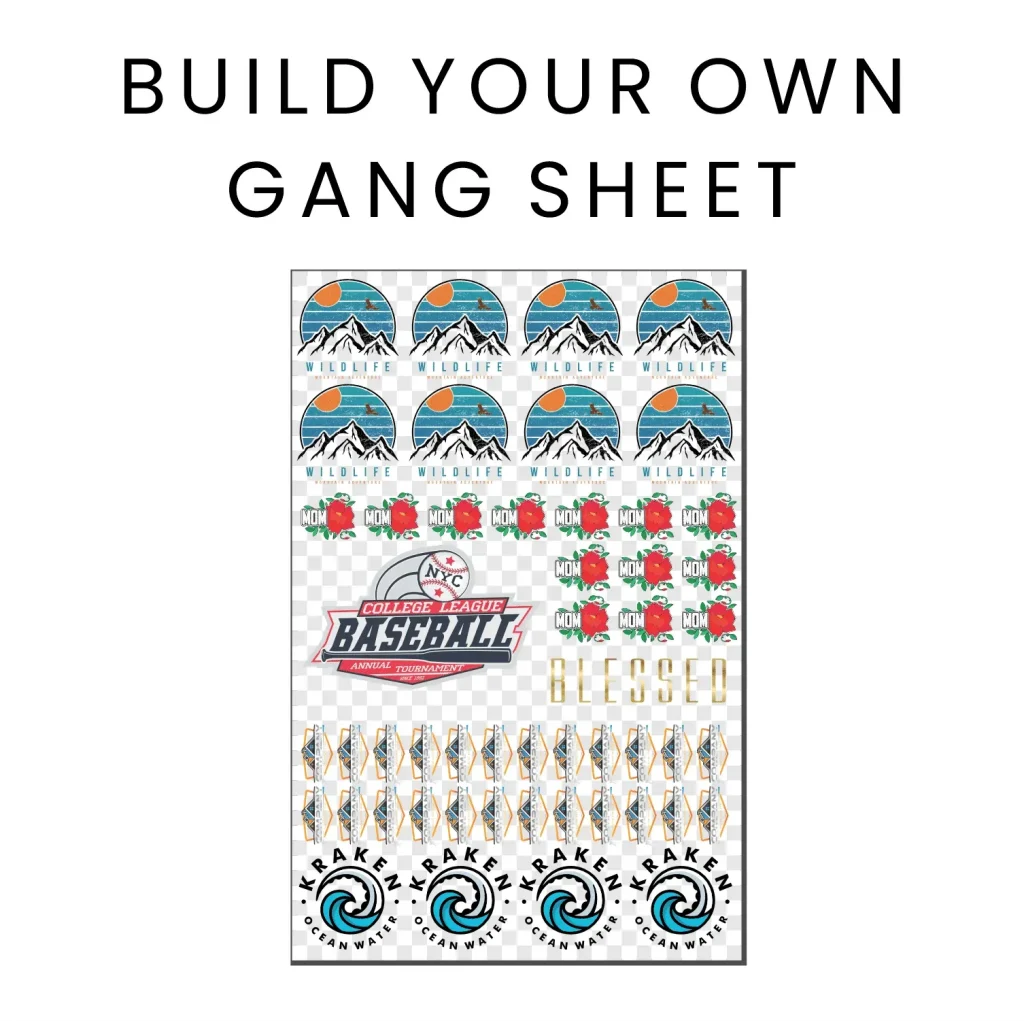
The **DTF Gangsheet Builder** is transforming the landscape of textile printing by empowering beginners with tools that promise both efficiency and exceptional quality prints. DTF printing, or Direct-to-Film printing, is a groundbreaking technique that allows for vibrant designs to be transferred onto various fabrics seamlessly. This beginners’ guide to the DTF transfer process and gangsheet printing serves as an essential resource for anyone eager to dive into this innovative printing method. With the DTF Gangsheet Builder, you can learn to optimize materials and reduce waste while producing stunning garments or merchandise that stand out. Whether you’re an aspiring entrepreneur or simply exploring a new hobby, mastering DTF printing can elevate your creative endeavors to new heights.
In essence, the **DTF Gangsheet Builder** stands out as an invaluable asset for those delving into the realm of direct-to-film printing. This tool simplifies gangsheet printing, enabling users to compile multiple designs on a single print medium efficiently. By leveraging this method, both novice and experienced printers can achieve top-notch quality prints while maximizing resource utilization. As we explore this beginner’s guide, we will uncover the intricacies of the DTF transfer process and how it revolutionizes the way we approach printing in the textile industry.
What Makes DTF Printing Stand Out?
DTF printing, or Direct-to-Film printing, has revolutionized the textile printing landscape with its unique ability to deliver high-quality prints on a variety of materials. Unlike traditional methods, DTF printing involves transferring designs directly from film to fabric, allowing for intricate details and vibrant colors that are both durable and resistant to wear and tear. This level of precision has made it a popular choice among both novice and professional printers seeking to elevate their work.
Additionally, DTF printing shines due to its flexibility—one can print on cotton, polyester, and even blends, making it ideal for custom apparel, promotional items, and unique fabric creations. The combination of versatility and quality shifts DTF printing into a forefront position for anyone in the textile industry, especially for those aiming to create standout designs that leave a lasting impression.
The Essential Role of Gangsheet Printing
Gangsheet printing plays a crucial role in enhancing the efficiency of the DTF printing process. By allowing multiple designs to be printed on a single sheet of film, gangsheet printing minimizes material waste and maximizes output. This method is particularly advantageous for users working on smaller orders or when looking to produce varied graphics simultaneously without losing productivity or incurring additional costs.
Moreover, gangsheet printing promotes an eco-friendly approach by significantly reducing ink and film wastage. By optimizing layout and positioning, printers can ensure that every inch of material is utilized, making this technique not only cost-effective but also sustainable. For beginners, mastering the art of gangsheet printing can markedly improve workflow, turning multiple designs into seamlessly produced quality prints.
Getting Started with the DTF Gangsheet Builder
Embarking on your DTF printing journey involves understanding the functionalities of the DTF Gangsheet Builder. Initially, this user-friendly tool allows you to create optimized layouts, making it incredibly straightforward for beginners. By uploading artwork and arranging it with accuracy, the builder enables you to portrait different designs while maintaining a coherent composition on a single film sheet that can be printed at once.
Using the DTF Gangsheet Builder not only simplifies the planning stage of printing but also bolsters efficiency. By learning to effectively leverage this tool, you can significantly reduce your printing costs while enhancing the quality of your output. Creatively experimenting with arrangements will set the stage for producing diverse products that cater to varied clientele, all crafted with precision and creativity.
Tips to Maximize Quality Prints with DTF
For beginners diving into DTF printing, ensuring the quality of the prints is paramount. One crucial tip is to always use high-resolution images. Low-resolution images can lead to pixelation and undermine the overall quality of the print, ruining the intricate details you aimed to portray. By investing in quality graphic designs, you can achieve stunning results that truly reflect the vibrancy and resilience of the DTF printing technique.
In addition to image quality, understanding the material properties is essential. Each fabric reacts differently to the DTF transfer process, and knowing how to pre-treat each type can significantly impact durability and print quality. With this knowledge, beginners can avoid common pitfalls and ensure their prints withstand regular wear, enhancing customer satisfaction and driving repeat business.
Navigating the DTF Transfer Process
The DTF transfer process is pivotal in bringing your designs to life. Once the gangsheet is printed, using a heat press correctly is pivotal to achieve a successful transfer. Temperature and pressure settings must be precisely regulated to guarantee that the design adheres effectively to the fabric without damage. A common mistake beginners make is either under or over-pressing, which can lead to inadequate adhesion or scorching the material.
Additionally, allowing the transferred designs to cure properly is essential for achieving vibrant, long-lasting prints. After transferring, it’s recommended to let the prints rest for a specified period before washing. This curing time aids in setting the inks and ensuring that the colors remain vivid even after multiple washes. Getting these minor details right can elevate the final product significantly and enhance your credibility in the DTF printing community.
Continual Learning Resources for DTF Printing
For aspiring DTF printers, ongoing education is key to mastering the craft. There is a wealth of resources available online, particularly through educational YouTube tutorials that walk you through the intricacies of DTF printing and the gangsheet creation process. Engaging with these videos will equip you with practical knowledge, demonstrating techniques that can refine your workflow.
Participating in industry blogs and forums can also provide valuable insights and foster connections with experienced printers. Websites like Printavo and InkSoft not only offer expert advice but also showcase best practices that can enhance your printing skills. Tapping into these resources ensures that even beginners can grow into proficient professionals in the exciting world of DTF printing.
Frequently Asked Questions
What is DTF Gangsheet Builder and how does it work?
The DTF Gangsheet Builder is a specialized tool designed for optimizing layouts in DTF printing, allowing multiple designs to be printed on a single film sheet. It enables users to arrange their artwork effectively, which maximizes efficiency and minimizes waste during the DTF transfer process.
How does DTF printing differ from other printing methods?
DTF printing stands out due to its ability to transfer vibrant, high-quality prints directly from film to fabric. Unlike traditional printing methods, DTF printing is versatile and works well on various materials, making it ideal for both beginners and professionals looking for durable results.
What are the benefits of using DTF gangsheet printing?
DTF gangsheet printing offers several benefits, including cost efficiency by reducing film and ink usage, the capability to print multiple designs simultaneously, and the ability to create quality prints that are vibrant and long-lasting on various fabrics.
What should beginners know about the DTF transfer process?
For beginners, understanding the DTF transfer process is crucial. This involves printing the designs onto a special film, applying a transfer adhesive, and using a heat press to transfer the design onto fabric. Familiarity with this process will greatly enhance the quality of prints.
How can I maximize quality prints when using a DTF Gangsheet Builder?
To maximize quality prints with a DTF Gangsheet Builder, always use high-resolution images for your designs, ensure proper spacing and alignment on the gangsheet, and choose the right materials that suit the DTF printing method for durable results.
What resources are available for learning DTF printing techniques?
Beginners looking to learn DTF printing techniques can access various educational resources, including YouTube tutorials which provide step-by-step guides on the DTF process, as well as industry blogs and forums that offer tips, tricks, and best practices from experienced printers.
| Key Points | Description |
|---|---|
| What is DTF Printing? | A printing technique transferring designs from film to fabric, offering versatility and high-quality outputs. |
| Understanding Gangsheet Printing | Allows printing multiple designs on one sheet, increasing efficiency and reducing costs. |
| DTF Gangsheet Builder | A tool for optimizing layouts for printing multiple designs simultaneously while minimizing waste. |
| Benefits of Using the DTF Gangsheet Builder | Cost efficiency, versatility with fabric options, and high-quality prints. |
| Steps to Use a DTF Gangsheet Builder | Choose software, upload designs, arrange them, set print size, and proceed with printing. |
| Tips for Beginners | Use high-resolution images, understand material properties, and utilize online educational resources. |
Summary
The DTF Gangsheet Builder is an invaluable tool for anyone seeking to make quality prints efficiently. By mastering the art of DTF printing and employing the gangsheet process, beginners can streamline their operations and enhance their creative output. By utilizing available resources and practicing effectively, even newcomers can achieve professional results with vibrant and durable designs. Set out with the DTF Gangsheet Builder to transform your printing experience!