
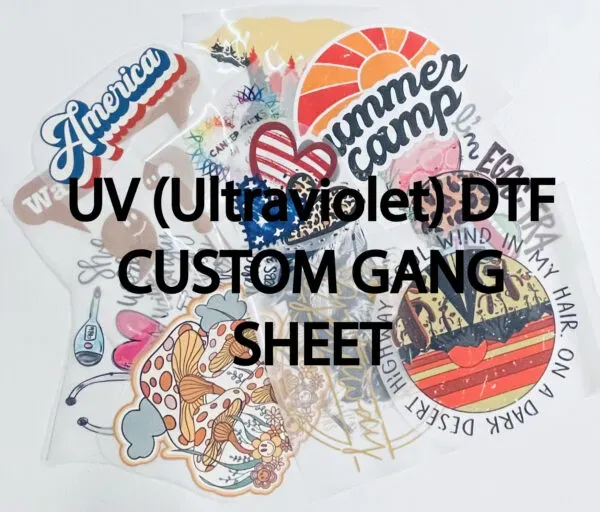
Introducing **UV DTF Gangheet**, a pioneering development in the realm of printing technology that merges the advantages of UV printing and Direct to Film (DTF) printing. This innovative approach is revolutionizing how businesses think about production, enabling them to achieve high-quality prints on a diverse range of materials. As the future of printing leans towards sustainable solutions, UV DTF Gangheet stands out by minimizing environmental impact while maximizing efficiency and durability. With increased versatility, this hybrid printing method caters to an expanding market, meeting the demands of modern consumers. Explore how UV DTF Gangheet is not just a trend, but a fundamental change in the way we perceive and utilize printing technologies today.
In today’s rapidly evolving printing landscape, the hybrid technique often referred to as UV DTF Gangheet holds a promising position as it combines the strengths of different printing methods. This approach leverages the capabilities of ultraviolet ink curing alongside direct-to-film processes, setting a new standard in the industry. By employing such advanced technologies, businesses can see significant enhancements in print quality and sustainability. Commonly associated terms like UV printing and DTF solutions also underline the adaptability and innovative features of this modern printing method. As we explore the implications of these technologies, it becomes evident that they are reshaping how products are manufactured and delivered in a more environmentally-conscious world.
Defining UV DTF Gangheet and Its Role in Printing Technology
UV DTF Gangheet is an innovation that merges the strengths of UV printing with Direct to Film (DTF) printing, bringing together the best of both worlds. At its foundation, UV DTF employs a hybrid methodology that not only facilitates vibrant designs but also allows for printing on a multitude of surfaces from textiles to metals. This synergy results in an adaptive technology that is transforming how we perceive and approach printing today.
This printing technique stands out particularly because it serves varying industries, ranging from fashion to promotional product sectors. As businesses strive for flexibility, UV DTF Gangheet’s ability to print on restrictive formats or diverse materials sets it apart, highlighting the continual evolution of printing technologies and their applications.
Exploring the Versatility of UV DTF Gangheet
One of the standout attributes of UV DTF Gangheet is its exceptional versatility. The technology can easily transition across various substrates, whether it’s fabric, rigid plastics, or even wood, which allows businesses to expand their product catalogs without having to invest in multiple printing processes. This cross-material capability is especially beneficial in a market that increasingly favors personalization and diversity in offerings.
Moreover, this versatility also encourages creativity among designers, as they can experiment with different textures and materials without the fear of compromising on quality. The adaptability of UV DTF technology fosters innovation, pushing the boundaries of what can be achieved in printing solutions and enabling a more dynamic marketplace.
The Durability Factor of UV DTF Printing
Durability is a key selling point for UV DTF Gangheet, making it ideal for products that undergo frequent use. The instant curing process characteristic of UV printing results in vibrant prints that resist fading, scratching, and water damage. This robustness ensures longevity, thus reducing the burdensome need for replacements or repairs, which is an attractive feature for consumers and businesses alike.
Additionally, products made with UV DTF printing not only provide better value but also enhance customer satisfaction. The high durability factor aligns not only with user needs but also meets the increasing demand for responsible manufacturing processes, making it a sustainable choice for environmentally minded producers.
Efficiency and Speed of UV DTF Gangheet Printing
In today’s fast-paced market, speed is essential, and UV DTF Gangheet delivers exceptionally well on this front. The technology instantly cures printed materials through ultraviolet light, dramatically slashing production times and allowing businesses to fulfill orders quickly. This efficiency not only helps meet tight deadlines but also gives companies a competitive edge, enabling them to take on more projects or larger orders spontaneously.
With reduced curing times, businesses can streamline their workflows and boost overall productivity, making UV DTF printing a smart investment. As on-demand printing becomes increasingly popular, this technology is set to play a crucial role in meeting the needs of clients who prioritize speed without sacrificing quality.
Sustainability of UV DTF Printing Solutions
Sustainability has become a critical component of modern printing solutions, and UV DTF Gangheet is no exception. This hybrid printing technology produces significantly fewer volatile organic compounds (VOCs) compared to traditional methods, thus contributing to a cleaner and more sustainable production environment. By adopting eco-friendly practices, companies not only comply with regulatory standards but also resonate with environmentally-conscious consumers.
Furthermore, UV DTF lighting technologies often lead to lower energy consumption overall. As the print industry continues to uncover the importance of sustainable practices, UV DTF technology emerges as a viable solution that aligns profitability with environmental responsibility, paving the way for a future full of sustainable printing possibilities.
The Future Prospects and Trends in UV DTF Gangheet
As we look towards the future, the potential for UV DTF Gangheet appears boundless. Expect a rise in demand for on-demand printing using this innovative technology, driven by consumer trends leaning towards personalization and rapid fulfillment. With businesses increasingly focused on producing tailored products while ensuring high-quality outcomes, UV DTF will likely become a standard in printing operations.
Additionally, the industry’s focus on continuous innovation promises to enhance the capabilities of UV DTF printing. Emerging technologies could further improve customization potential, offering advanced solutions to meet evolving market demands. As sustainability remains at the forefront, these trends will define the landscape of printing technology, steering it toward a greener and more personalized production era.
Frequently Asked Questions
What is UV DTF Gangheet and how does it differ from traditional printing methods?
UV DTF Gangheet is a hybrid printing technology that combines UV printing and Direct to Film (DTF) printing. Unlike traditional printing methods, it allows for printing on various substrates, including textiles, plastics, and metals, utilizing ultraviolet light to cure inks instantly, providing a quicker and more durable solution.
Why is UV DTF Gangheet considered a sustainable printing technology?
UV DTF Gangheet is considered sustainable because it produces fewer volatile organic compounds (VOCs) than traditional solvent-based methods. The immediate curing process also minimizes waste, making it an environmentally friendly choice for modern printing solutions.
What are the key benefits of using UV DTF Gangheet for businesses?
Businesses benefit from UV DTF Gangheet through its versatility in printing on diverse materials, its durability against fading and scratching, rapid production speeds due to instant curing, and its contribution to more sustainable printing practices.
How does UV printing enhance the capabilities of DTF printing in UV DTF Gangheet?
In UV DTF Gangheet, UV printing enhances DTF printing by allowing inks to cure instantly under ultraviolet light. This capability broadens the types of substrates that can be used, increasing design flexibility and producing high-quality prints that resist wear.
What future trends can we expect for UV DTF Gangheet in the printing industry?
Future trends for UV DTF Gangheet include an increasing demand for on-demand printing services, enhanced customization options for personalized products, and continued advancements in energy-efficient LED UV technology, all promoting sustainability in the printing sector.
How does UV DTF Gangheet compare to other printing technologies regarding speed and efficiency?
UV DTF Gangheet is notably faster and more efficient than many traditional printing technologies because of its instant ink curing process. This efficiency allows businesses to meet urgent client demands and significantly reduces overall production times.
| Key Points | Description |
|---|---|
| What is UV DTF Gangheet? | A hybrid printing technology that combines UV printing with Direct to Film (DTF) printing. |
| Direct to Film (DTF) Printing | Printing designs onto a special film, which is then transferred onto various surfaces using heat. |
| UV Printing | Utilizes ultraviolet light to instantly cure the ink as it’s printed on substrates, allowing rapid production. |
| Versatility | Allows printing on various materials such as textiles, plastics, and metals, fostering creative designs. |
| Durability | UV-cured inks are resistant to fading, scratching, and water, resulting in longer-lasting prints. |
| Speed and Efficiency | Instant curing of inks leads to significantly reduced production times. |
| Sustainability | Produces fewer VOCs compared to traditional methods, with reduced waste from the curing process. |
| Advancements in LED UV Technology | Enhances energy efficiency and reduces operational costs. |
| Improved Customization Capabilities | Enables high-quality, personalized printing solutions tailored to customer demands. |
Summary
UV DTF Gangheet is revolutionizing the printing industry with its innovative approach that merges UV printing and Direct to Film technology. This advanced method not only offers unparalleled versatility for various substrates but also ensures durability, rapid production, and environmentally friendly practices. As businesses increasingly adopt UV DTF Gangheet, they are poised to meet the industrial challenges of fast-paced markets while catering to the growing demand for sustainable printing solutions. Future advancements in this field promise to enhance customization capabilities even further, making UV DTF a cornerstone of modern printing technologies.