
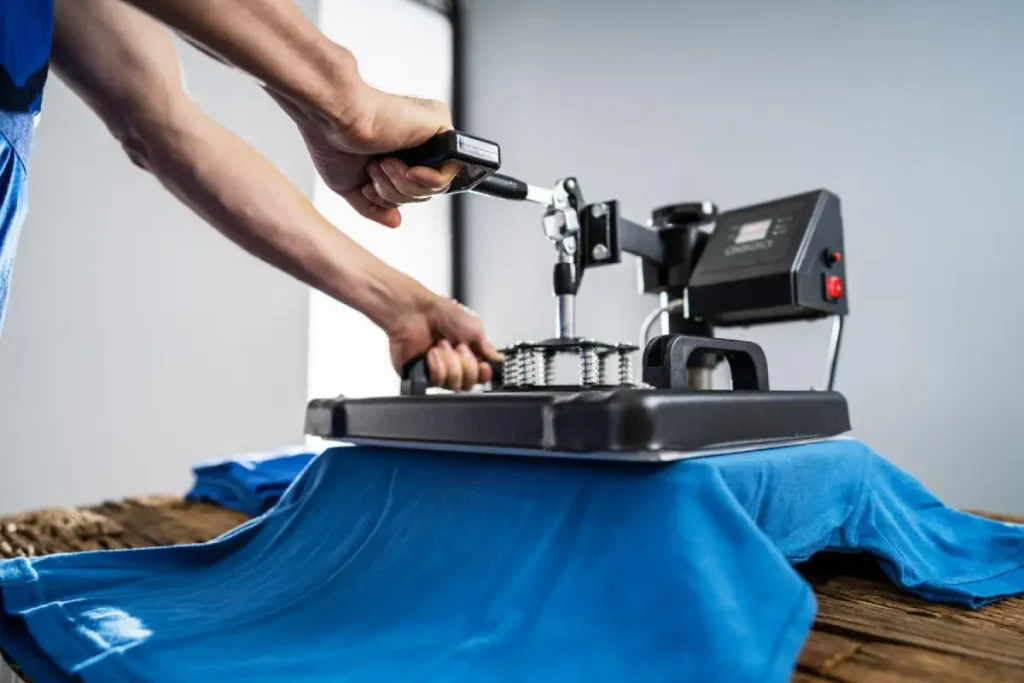
The transition from a boutique print studio to a scalable apparel label is fundamentally a transition from manual effort to process governance. Many creators in the dtf space prioritize design aesthetics, but the market reality is that retail longevity is dictated by the physics of the bond. If you intend to scale, you must move beyond the “try-and-see” approach and treat your production floor as a high-precision manufacturing lab.
The “soft-hand” feel that luxury shoppers expect—the kind that makes a shirt feel like a part of the garment’s structure—is the result of precise thermomechanical integration. When you use professional-grade dtf transfers, you are applying a specialized technical polymer. If your production parameters are not tuned to the specific weave and density of your fabric, you are not creating a retail-grade product; you are creating a temporary custom piece. Harwin advocates for a systemized approach that replaces operator intuition with empirical, repeatable data.
The Production Matrix: Governing Variables
To move into the premium apparel market, you must eliminate the “mystery variables” that lead to customer returns. Success at scale is predicated on the strict governance of three critical production pillars:
- Moisture Displacement: Textile fibers are natural sponges that store atmospheric humidity. A 10-second pre-press is not optional; it is a structural necessity to evacuate the steam that would otherwise create a microscopic barrier, preventing your adhesive from fusing with the textile fibers.
- Mechanical Force Standardization: Adhesion is 60% heat and 40% pressure. Using a heat press equipped with a digital pressure sensor allows you to define a “Force Profile” for every SKU, ensuring the bond strength remains identical on every single unit produced.
- Thermodynamic Stabilization: The cooling phase is where the structural integrity of your print is solidified. Treating the peel as a “hurry-up” step leads to microscopic bonding failures that only manifest after the end-user has washed the garment.
Velocity as a Strategic Asset
The traditional “inventory-heavy” model is the greatest drain on your brand’s growth potential. By tying up your cash in thousands of pre-printed units, you lose the ability to iterate based on actual consumer demand. Searching for dtf transfers near me is the most practical step toward an “Agile Manufacturing” model. Partnering with a technically sophisticated regional printer allows you to move to a “Just-in-Time” (JIT) production system, keeping your capital fluid for growth and marketing.
This localized partnership is more than a logistics solution; it is an R&D asset. Whether you need to test specialized matte-finish powders for a luxury streetwear drop or high-stretch adhesive additives for performance athletic wear, your regional partner provides the R&D capabilities that make you faster and more responsive than larger, legacy competitors.
Institutionalizing Quality Assurance
Scalability is physically impossible if your quality is based on the “intuition” of an operator. To break through, you must document your **Technical Production Ledger**. This source of truth for your team should contain the specific thermal profiles, PSI requirements, and cooling durations for every SKU in your catalog. When your production standards are documented, volume can scale without a degradation in product performance.
Furthermore, internal durability testing is your most effective marketing tool. By subjecting your production samples to “Accelerated Wear Audits”—industrial-grade, high-heat laundry cycles—you gain the empirical data needed to back your quality claims. When you can present your retail partners with a “wash-tested” durability report, you change the conversation from “What is your price per unit?” to “How long can we expect this product to last?” That shift in value proposition is how you earn premium pricing.
Frequently Asked Questions
Why does “pre-pressing” make a measurable difference in durability?
Pre-pressing is a moisture-evacuation technique. Residual humidity in textile fibers turns into steam instantly upon contact with a 300°F heat press. This steam creates a physical gap that prevents the adhesive from ever touching the textile fibers, ensuring a weak, surface-level bond.
How do I differentiate high-end transfers from mass-market ones?
Look for “Elastic Memory.” A premium transfer will stretch and retract alongside the textile without creating white stress marks or micro-cracks. If a print shows “whitening” after one stretch, the adhesive chemistry is likely too rigid for long-term retail wear.
Is DTF better for high-end synthetic sportswear?
It is the superior choice, provided you use the correct chemistry. Synthetic fibers are heat-sensitive. Always use “low-melt” adhesive powders and perform a thermal gradient test to find the minimum temperature required to achieve a secure bond without damaging the fabric fibers.
What is the most effective way to audit my production output?
Implement the “Stress-to-Failure” protocol. Select one garment from every production batch and run it through a heavy-duty laundry cycle with high-heat drying. If the graphic shows zero degradation after five cycles, your production process is fully calibrated for the premium retail market.
Building a successful, high-quality apparel brand is a journey of continuous technical refinement. By mastering the potential of dtf, you position your brand to compete at the highest level of the custom merchandise market. Harwin is committed to providing the industry insights you need to turn your production floor into a professional, profitable enterprise. Start optimizing your workflow today—your commitment to quality is the most valuable investment you can make for your brand’s future.