
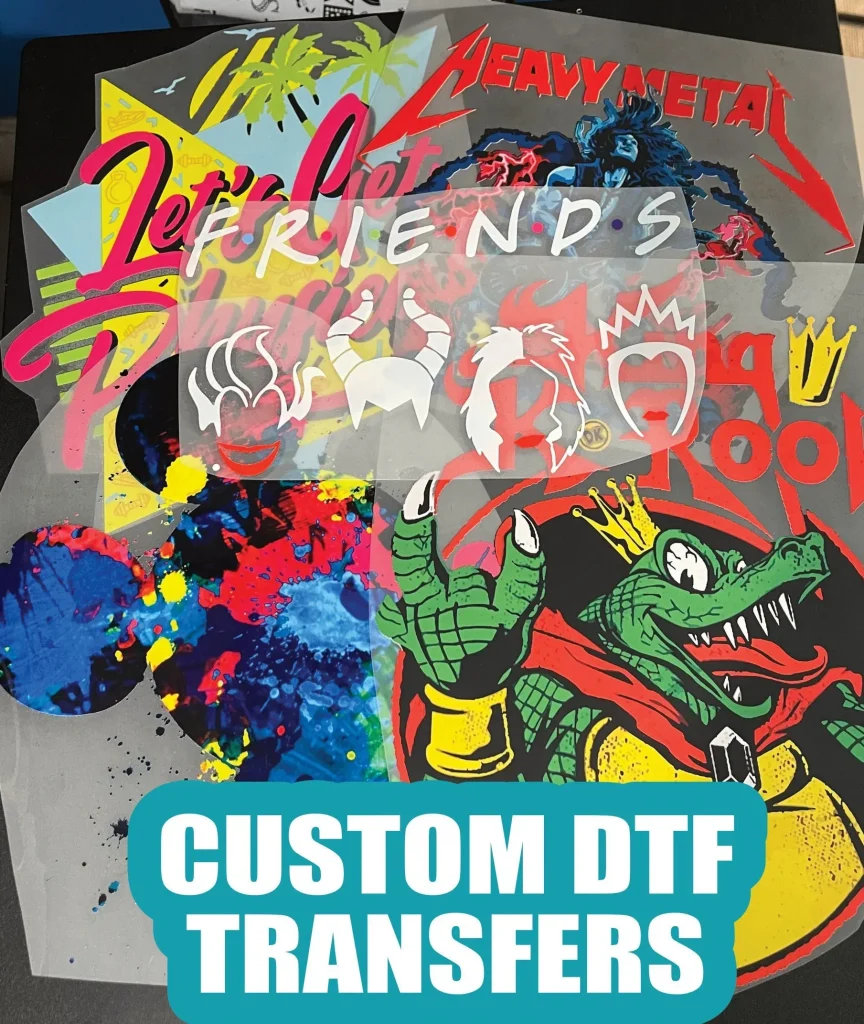
DTF Transfers, or Direct to Film transfers, have emerged as a game-changing technique in the world of fabric printing, allowing both hobbyists and professionals to bring vivid designs to life with ease. This innovative process combines simplicity with high-quality results, making it accessible for anyone interested in DIY DTF printing. By using specific DTF transfer materials like special inks and heat transfer films, you can achieve stunning prints that stand the test of time. In this guide, we will explore the essential steps in the DTF transfer process, enabling you to create personalized garments and merchandise right from your home. Whether you’re looking to enhance your wardrobe or start a small business, mastering the art of heat press DTF transfers can open up a new realm of creative possibilities.
Direct to Film applications, often referred to as DTF transfers, represent a revolutionary approach to fabric decoration that is gaining traction among artists and entrepreneurs alike. This technique not only streamlines the printing process but ensures that your designs appear vibrant and durable on a variety of fabrics. With easy access to DIY DTF printing, anyone can craft unique items, making it an attractive solution for personal projects or small-scale commercial endeavors. The DTF transfer method involves specific materials and a systematic approach, which is crucial for effective heat pressing, resulting in high-quality, eye-catching designs. Embracing this modern printing method can significantly enhance your creative output and bring your ideas to fruition.
What Are DTF Transfers and Their Benefits?
DTF (Direct to Film) transfers represent a revolutionary shift in the methods of applying designs to fabrics, combining quality with convenience. The process involves printing your design onto a special transfer film using DTF ink, which is engineered to produce vibrant colors and fine details. One of the significant benefits of DTF transfers is their versatility; they can be used on a variety of fabrics including cotton, polyester, and blends, making them suitable for every type of garment. Additionally, DTF transfers are known for their durability, as they can withstand multiple washes without fading, which is crucial for personal and commercial applications.
Another key advantage of DTF transfers is the ease of use compared to other printing methods. With a straightforward setup and a few essential materials, even beginners can achieve professional-looking results. Unlike traditional heat transfer vinyl, which often requires cutting intricate designs, DTF transfers allow for complex images and color blending to be printed smoothly onto the transfer film, which can then be heat pressed onto the fabric. This simplicity makes DTF transfers an attractive choice for DIY enthusiasts wanting to bring their creative ideas to life without the steep learning curve associated with other printing techniques.
Essential Supplies for Creating DTF Transfers
When embarking on your journey to create DTF transfers, certain supplies are necessary to ensure a successful and smooth printing experience. First and foremost, you will need a high-quality DTF printer, which is specifically designed to handle the nuances of DTF printing. It’s crucial to use a printer that can accommodate DTF inks, as these inks differ from standard inks in their formulation and output capabilities. Additionally, sourcing DTF transfer materials, including films and powders, will significantly impact the quality of the final design. Using compatible and high-quality supplies enhances both vibrancy and adhesion.
In addition to the printer and transfer materials, a precision heat press machine is vital for adhering your designs to fabrics effectively. Unlike standard iron-ons, a heat press provides controlled temperature and pressure, which are essential for achieving lasting results. Other helpful items include heat-resistant gloves to protect your hands while working with heated equipment, and quality graphic design software for creating and preparing your designs. The combination of quality supplies not only boosts the aesthetics of your creations but also prolongs the longevity of your DTF transfers, making for a wise investment in your crafting endeavors.
DIY DTF Printing: Your Step-by-Step Guide
Getting started with DIY DTF printing involves a structured step-by-step approach, which serves to demystify the process and build your confidence. The first step is crafting the design using graphic design software. This stage is crucial as the design will be the focal point of your transfer, influencing its visual impact. Make sure to set the dimensions according to the fabric you’ll be using and to select an appropriate color palette that will look vibrant post-application. Once completed, the design file will need to be prepared for printing, ensuring it is compatible with your heat transfer film.
Following the design creation, the next exciting phase is the printing process. At this stage, you’ll load your specially formulated DTF ink into the printer and proceed to print your design onto the heat transfer film. Ensuring that both your printer settings and the film are optimal is key to achieving a high-quality transfer. Upon printing, allow the ink to dry thoroughly to prevent smudging before moving on to the heat press application. This methodical approach not only simplifies DIY DTF printing but also enhances the likelihood of delivering stunning, professional-grade transfers that stand out.
The DTF Transfer Process Explained
The DTF transfer process encompasses several crucial steps that are designed to maximize the quality of your final product. After successfully printing your design onto the transfer film, the next part involves heat pressing. Preheating your heat press to a specific temperature—around 325°F—is essential to create the optimal conditions for the transfer. It’s recommended to carefully position the printed film over the desired area of the fabric and then cover it with a protective layer, such as parchment paper, before applying heat. This method protects both the garment and the design during the transfer process.
Once the heat press has been applied, allowing the transfer to cool before peeling off the film is advisable. This cooling period solidifies the adhesion of the ink onto the fabric, ensuring that the design is durable and vibrant. A final curing step may involve pressing the area again or using curing powders, which can significantly enhance the transfer’s resilience. Adequate curing is essential if you want your DTF transfers to survive washing and wearing, giving them a professional finish that can withstand everyday use.
Heat Press DTF Transfers: Key Techniques
Utilizing a heat press is one of the most critical techniques for successfully applying DTF transfers to fabric. This equipment provides both the necessary heat and pressure to blend the ink from the transfer film into the fibers of the fabric, ensuring that the design adheres properly. When using a heat press for DTF transfers, it’s essential to follow precise temperature and timing guidelines, as these can vary based on the type of fabric and transfer used. Experimenting with settings can lead to discovering the best combination that yields the most vibrant and long-lasting results.
In addition to temperature control, it’s equally important to manage the pressure applied during the heat press application. Too little pressure may result in incomplete adhesion, while too much could damage the fabric or the transfer itself. Using a heat press allows for an even distribution of heat and pressure across the transfer, which elevates the quality of the print. For best practices, consider conducting test presses on fabric samples to fine-tune your technique before committing to your final product. Mastering heat press techniques can significantly enhance your DTF transfer projects, making them more professional and visually appealing.
Best Practices for Successful DTF Transfers
Creating successful DTF transfers hinges on implementing best practices throughout the process. Whether you are refining design skills or ensuring proper application, consistency and attention to detail are key. One essential practice includes using high-quality DTF inks and transfer films, as these directly affect the vibrancy and durability of the final print. Additionally, maintaining your DTF printer by regular cleaning and calibrating ensures that your prints remain sharp and colorful, ultimately producing better heat-sensitive designs.
Another important tip is to take your time with each step, especially in the design and printing phases. Rushing through could result in errors such as misalignment or subpar quality. Conducting test prints can also guide adjustments necessary for achieving the best output on your final apparel. Following a structured approach and remaining patient during the learning curve will yield stunning finished products over time. These best practices will empower everyone, from casual DIYers to aspiring business owners, to perfect their DTF transfer technique.
Frequently Asked Questions
What are DTF Transfers and how do they work?
DTF (Direct to Film) Transfers are a printing method used for applying vibrant designs onto fabrics. The DTF transfer process involves printing designs onto a special heat transfer film using DTF ink, which is then heat pressed onto the fabric. This allows for high-quality and durable prints that are suitable for a variety of materials.
What materials do I need to create DTF Transfers at home?
To create DTF Transfers at home, you will need a DTF printer, specialized DTF ink, heat transfer film or powder, a heat press machine, and graphic design software (like Photoshop or Illustrator) for designing your prints. These DTF transfer materials are essential to achieve professional-grade results.
Can I use a regular printer for DIY DTF Printing?
No, a regular printer is not suitable for DIY DTF Printing. You need a DTF printer specifically designed for this process, compatible with DTF inks and films. Using the right printer ensures that your designs have vibrant colors and high durability.
How do I apply Heat Press DTF Transfers effectively?
To apply Heat Press DTF Transfers effectively, first preheat your heat press to around 325°F (160°C). Then, position the printed transfer film on your desired fabric, cover it with protective parchment paper, and press it for 15-20 seconds. Follow the instructions of your heat press for the best results to ensure proper adhesion.
What is the DTF Transfer Process and its steps?
The DTF Transfer Process involves four main steps: 1) Design creation using graphic design software, 2) Printing the design onto heat transfer film, 3) Applying the transfer using a heat press, and 4) Curing the transfer to enhance its durability. Each step is vital for achieving high-quality DTF prints.
How can I ensure the quality of my DTF Transfers?
To ensure the quality of your DTF Transfers, always use high-quality DTF ink and materials. Take your time with design and printing, run test prints on fabric scraps, and follow precise temperature and pressure settings when heat pressing. Curing the transfers properly also contributes to their long-lasting quality.
| Key Component | Description |
|---|---|
| DTF Printer | A high-quality printer compatible with DTF printing for vibrant designs. |
| DTF Ink | Specialized ink for providing vibrant and long-lasting colors in DTF transfers. |
| Heat Transfer Film or Powder | Materials used to transfer the printed design onto fabric effectively. |
| Heat Press Machine | Applies heat and pressure to adhere the transfer onto the fabric properly. |
| Graphic Design Software | Programs like Photoshop or Illustrator help create and modify designs before printing. |
Summary
DTF Transfers are a revolutionary technique for creating professional-looking fabric prints at home. This process involves using specialized inks, a high-quality printer, and a heat press to apply vibrant designs onto various fabrics. With just a few simple materials and carefully following a structured process, anyone can create stunning DTF transfers. As this method continues to gain popularity among DIY enthusiasts and small business owners alike, mastering DTF transfers not only opens up creative possibilities but also enhances the personal touch in custom apparel and merchandise.