
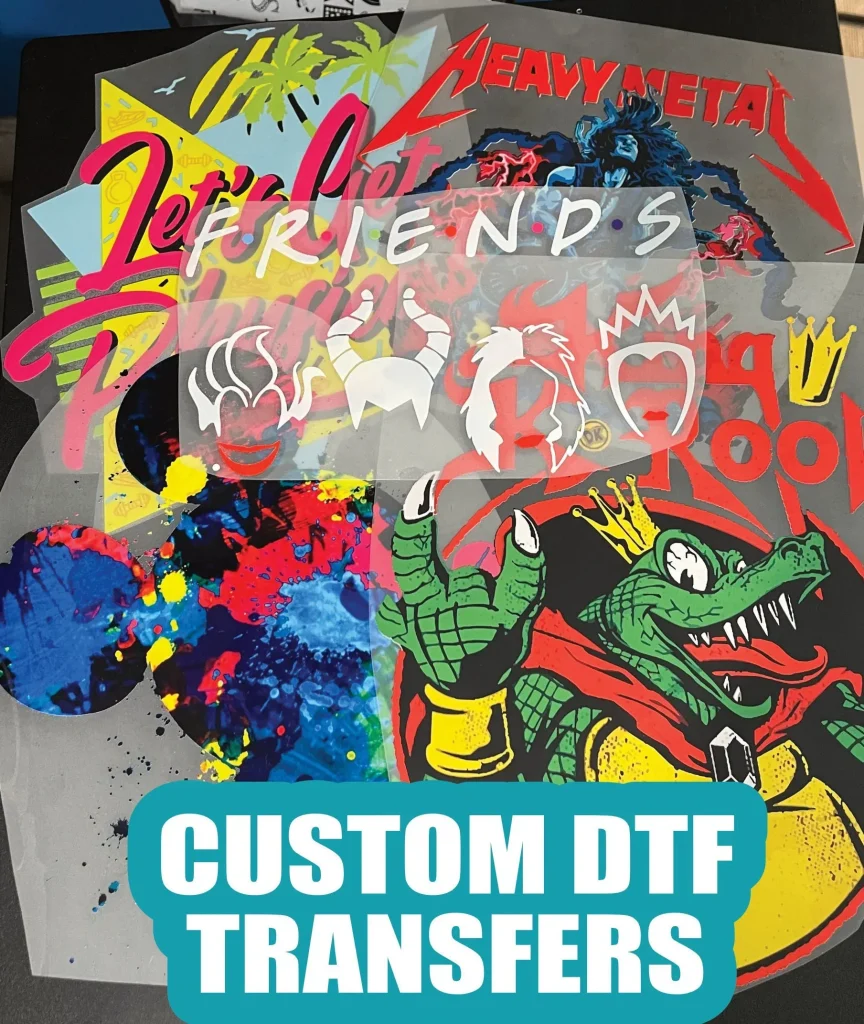
DTF transfers, or Direct to Film transfers, have revolutionized the fabric printing industry, offering an innovative method for enthusiasts and professionals alike. This process involves printing intricate and colorful designs onto special films, which are then heat transferred onto various fabrics with striking results. In this beginner’s guide to DTF printing, we will explore the essential equipment, materials, and the step-by-step process involved in creating beautiful transfers that can elevate any project. Whether you’re curious about how to use DTF transfers or seeking advice on the best equipment for DTF printing, this comprehensive resource aims to empower you with all the knowledge needed to succeed. By diving into the DTF transfer process, you’ll soon find yourself equipped to tackle any fabric printing endeavor with confidence.
Direct to Film printing, often referred to as DTF, has emerged as a popular choice for fabric decoration due to its high-quality outputs and flexibility. This technique allows users to transfer vibrant and detailed designs onto fabrics by leveraging a unique film application process. For those looking to understand the DTF transfer method, this guide serves as an essential resource, detailing everything from necessary tools to effective techniques. With a focus on the best materials and equipment for executing flawless DTF designs, both newcomers and seasoned printers can benefit from the insights provided here. Understanding this modern printing solution is crucial for anyone wishing to enhance their crafting or business ventures with eye-catching prints.
What is DTF Printing?
DTF printing, or Direct to Film printing, is a modern textile printing method that has revolutionized the industry by allowing for detailed designs to be printed directly onto a special film. This process starts with creating intricate digital designs that can be printed on various materials, offering unparalleled versatility. The beauty of DTF printing lies in its adaptability, enabling users to transfer images onto cotton, polyester, and blends, making it an ideal choice for clothing and promotional products.
The DTF transfer process involves printing the design on a polyethylene film using high-quality pigment inks. After printing, a special adhesive powder is applied, which will bond the ink to the fabric upon thermal transfer. This method not only delivers high-quality images but also maintains the softness of the fabric, providing a comfortable feel while ensuring that vivid colors are enduring. For anyone looking to explore fabric printing, understanding the fundamentals of DTF printing is paramount.
A Beginner’s Guide to DTF Transfers
For those stepping into the world of fabric printing, DTF transfers represent an accessible entry point. This beginner’s guide aims to break down the complexities surrounding DTF processes, from equipment acquisition to the final application. By understanding the necessary components, anyone can embark on their journey in DTF printing with confidence. Essential tools include a compatible printer, specialized transfer film, and a reliable heat press, laying the groundwork for successful prints.
Moreover, beginners are encouraged to familiarize themselves with graphic design software to create stunning visuals that can be printed. Whether it’s logos, intricate designs, or even personal artwork, mastering the basics of design will set a strong foundation for exceptional DTF transfers. Engaging in beginner-friendly tutorials online can boost skills rapidly, ultimately influencing the quality of printed products for potential business or personal use.
Essential Equipment for DTF Printing
The success of DTF printing heavily relies on the right equipment. A dedicated DTF printer is crucial, as it uses pigment ink to produce vibrant, long-lasting prints on the transfer film. Popular choices among beginners include models from brands like Epson or Brother, known for their reliability. Coupled with the printer, high-quality transfer films designed specifically for DTF processes play a vital role in ensuring clarity and detail during the application to fabric.
In addition, a heat press machine is indispensable for transferring the design. It’s essential to choose a heat press that can maintain consistent temperature and pressure, as these factors are critical to achieving the best results. Finally, adhesive powder for DTF transfers is another key component, as it enables strong adhesion between the ink and the fabric, ensuring durability and longevity of the prints.
The DTF Transfer Process Explained
Understanding the DTF transfer process is crucial for anyone looking to excel in fabric printing. This process begins with creating the artwork using graphic design software, which should be optimized for color before being mirrored for printing. Once the design is prepared, it is printed onto the DTF film using a specialized printer.
After printing, the next step involves applying a layer of adhesive powder onto the wet ink. This powder needs to be evenly distributed to ensure that it adheres well during the heat transfer. The film is then pressed onto the fabric, applying the right amount of heat and pressure for a specified duration. Post-pressing, the film must cool slightly before peeling it off, revealing a vibrant, professionally-printed design on the garment.
Tips for Successful DTF Transfers
To ensure consistency and quality in your DTF transfers, it’s vital to adhere to specific tips that can help improve your output. Regularly calibrating your printer settings will ensure high-quality prints every time. When using DTF transfer films, be mindful of their specific care instructions, as compatibility with inks and heat setting can vary significantly among brands.
Additionally, conducting wash tests after the initial transfers is essential to gauge the durability of the prints. Opt for high-quality inks and materials to avoid issues such as fading or peeling over time. Following best practices in both design creation and execution will not only yield superior results but will also enhance your reputation as a reliable DTF printer.
Exploring Advanced Techniques in DTF Printing
Once you’re comfortable with the basics of DTF printing, exploring advanced techniques can elevate your printing game. Techniques like layering, gradient printing, and the use of specialty inks can add depth and character to your designs. Incorporating these elements not only enhances visual appeal but can also set your work apart in a competitive marketplace.
In addition, experimenting with different fabric blends and textures can lead to unique outcomes. Matching your transfer technique with various materials may require some practice, but the results are well worth the effort. Further, sharing and learning from the DTF printing community can provide insights and innovative methods to refine your skills.
Frequently Asked Questions
What is the DTF transfer process?
The DTF transfer process involves printing designs on a special film and then transferring those designs onto fabric using heat. This method ensures high detail and vibrant colors, making it a versatile choice for various materials including cotton and polyester.
How do I get started with a beginner’s guide to DTF transfers?
To start with DTF transfers, gather essential equipment such as a DTF printer, transfer film, adhesive powder, and a heat press. Follow a simple step-by-step process: design your artwork, print on DTF film, apply adhesive powder, transfer to fabric with heat, and peel away the film.
What is the best equipment for DTF printing?
The best equipment for DTF printing includes a reliable DTF printer (Epson or Brother are recommended), high-quality DTF transfer film, suitable adhesive powder for sticking designs to fabric, and a heat press capable of reaching 320°F (160°C).
What types of fabrics can I use DTF transfers on?
DTF transfers can be applied to a variety of fabrics including cotton, polyester, and blends. This versatility makes DTF printing an excellent choice for diverse projects and materials.
How do I ensure the durability of DTF transfers?
To ensure the durability of DTF transfers, use high-quality inks and materials, and perform wash tests to assess the wash resistance of your designs. Proper application of heat and pressure during the transfer is also crucial for longevity.
Can I find a DTF printing guide or tutorials online?
Yes, numerous DTF printing guides and tutorials are available online. These resources will help you understand the DTF transfer process, learn best practices, and enhance your skills as you navigate your printing journey.
| Key Points | |
|---|---|
| What’s DTF Transfers? | A printing method where designs are printed on a special film and transferred to fabrics, ensuring high detail and versatility. |
| Advantages of DTF Transfers | Versatile across fabrics, capable of high-detail designs, and cost-effective for small businesses. |
| Required Equipment | DTF Printer, Transfer Film, Adhesive Powder, Heat Press. |
| Step-by-Step Process | 1. Design Creation 2. Printing the Design 3. Applying Adhesive Powder 4. Transfer to Fabric 5. Peeling the Film |
| Quality Considerations | Use high-quality materials and perform wash tests to ensure print durability. |
Summary
DTF transfers open up a world of possibilities for anyone interested in fabric printing. This innovative technique allows users to produce exceptional quality prints that are both detailed and vibrant. By investing in essential equipment and mastering the step-by-step process, individuals can create stunning designs suitable for various materials. Not only does DTF printing provide versatility, but it is also a cost-effective solution ideal for both entrepreneurs and hobbyists. With ongoing learning and practice, you can confidently dive into the realm of DTF transfers, crafting unique and professional prints that stand out.