
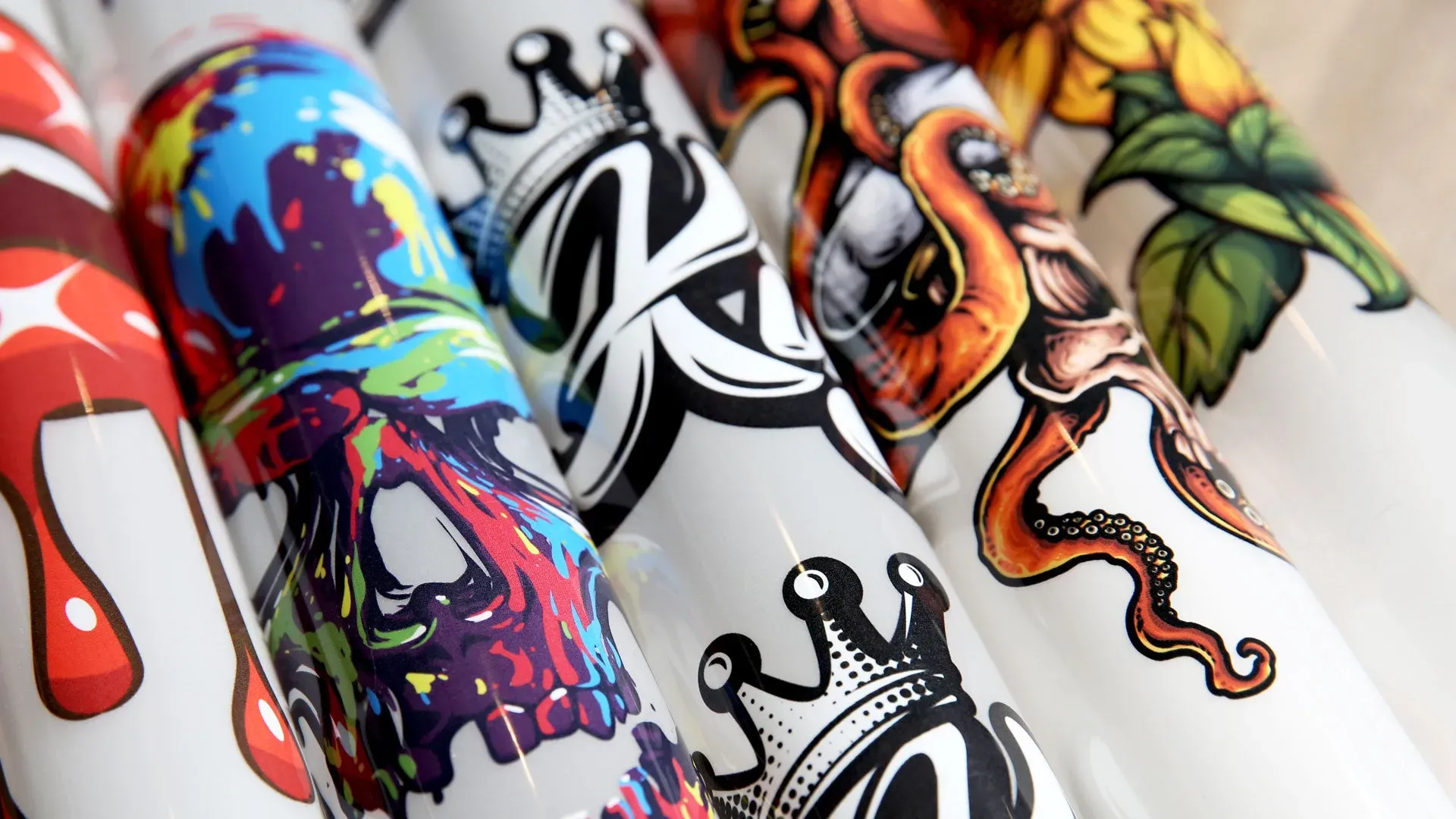
DTF transfers, or Direct-to-Film transfers, are revolutionizing the realm of custom t-shirt printing with their remarkable efficiency and quality. This innovative DTF printing technology allows for intricate designs with vibrant colors to be applied directly to various fabrics, making it a compelling alternative to traditional printing methods like screen printing and DTG. As awareness grows about sustainable printing practices, DTF stands out by generating less waste and enabling print-on-demand capabilities. In this blog post, we will delve into the advantages and future prospects of DTF transfers, showcasing why this method is gaining traction among small businesses and entrepreneurs. From technological advancements to market trends, discover how DTF printing is poised to shape the future of the custom apparel industry.
Also known as Direct-to-Film printing, DTF transfers are a transformative approach to creating high-quality prints for apparel. This printing technique uses specialized films to transfer designs onto materials, providing a versatile solution that rivals traditional practices. The rise of print on demand services further complements DTF technology, allowing brands to fulfill orders without the burden of excess inventory. Moreover, with a focus on sustainable printing, DTF ensures that businesses can meet consumer demand without compromising their environmental values. Join us as we explore the fundamentals and benefits of DTF printing, highlighting its impact on the custom merchandise sector.
Understanding DTF Transfers: A New Era in Custom T-Shirt Printing
DTF (Direct-to-Film) transfers represent a significant advancement in the realm of custom t-shirt printing. By employing a specialized printing process that uses high-quality films and heat transfer principles, businesses can achieve vibrant and durable designs that meet contemporary consumer demands. Unlike traditional printing methods such as screen printing, which require extensive setup and long lead times, DTF printing allows for quick turnaround times and customization on a diverse range of fabrics. This adaptability makes it an attractive option for entrepreneurs and small businesses looking to break into the custom apparel market.
Moreover, DTF transfers have restructured the way businesses approach production. With the ability to print high-resolution images directly onto fabrics, this technology mitigates risks associated with unsold inventory, promoting a print-on-demand model. This streamlined process not only benefits small-scale operations but also allows larger businesses to maintain flexibility in their offerings and respond quickly to market trends.
The Rise of DTF Printing: Trends and Applications
The popularity of DTF printing is on the rise, particularly among small businesses seeking cost-effective solutions in custom t-shirt printing. This method has gained traction because it requires significantly lower startup costs compared to traditional printing techniques. The ability to produce high-quality prints on various fabrics including cotton and polyester has made DTF a preferred option not just for individuals but for organizations aiming to offer personalized products without the financial strain associated with large inventory.
In addition to affordability, the versatility of DTF transfers allows for creative applications that appeal to a broad audience. From unique designs for local sports teams to customized apparel for corporate events, DTF printing can effortlessly cater to a wide range of needs. As the demand for personalized options continues to grow, this trend underscores DTF's potential to reshape the custom t-shirt landscape.
Technological Advancements in DTF Printing
Recent technological innovations have propelled DTF printing forward, enhancing both efficiency and print quality. With advancements in ink formulations and film technology, businesses can now produce prints that are not only vibrant but also resilient, minimizing issues such as peeling and fading. The ongoing development of adhesive inks has further boosted the durability of prints, making DTF a reliable choice for high-volume and high-quality custom t-shirt printing.
Moreover, as equipment becomes more sophisticated and accessible, even small business owners can benefit from these enhancements. The introduction of user-friendly DTF printing systems allows newcomers to easily enter the market and harness the benefits of modern printing technology. This democratization of print technology paves the way for innovative designs and more competitive pricing.
Embracing Sustainability with DTF Printing Practices
In a world increasingly focused on sustainability, DTF printing presents a compelling solution for eco-conscious businesses. The DTF process minimizes waste by allowing for on-demand production, which significantly reduces the risk of overstock and the environmental impact associated with unused products. This alignment with sustainable printing practices is particularly relevant as consumers become more attuned to the ecological footprints of their purchases.
By adopting DTF transfers, businesses can not only enhance their brand appeal but also contribute positively to broader environmental efforts. The reduction in arbitrary manufacturing processes strengthens their stance on sustainability while attracting a customer base that values eco-friendly practices. This effective blend of quality printing and environmental responsibility positions DTF as a frontrunner in the industry.
The Challenges of DTF Printing: Equipment and Maintenance
While DTF printing offers numerous benefits, it is not without its challenges. One significant hurdle is the initial investment required for purchasing DTF printing equipment. Although costs are gradually decreasing with advancements in technology, the financial commitment can still be a barrier for many small businesses. It's essential for potential users to evaluate their goals and resources before venturing into DTF printing.
Additionally, regular maintenance of DTF printers is crucial to ensure consistent performance and high print quality. This includes managing the use of specific inks and films that are tailored for DTF use. Businesses must be prepared to invest time and resources into maintaining their equipment, which can sometimes be a deterrent. However, with proper management, these challenges can be effectively navigated.
Future Trends in DTF Printing and Market Growth
The future of DTF printing looks promising, with significant market growth projected in the coming years. As more consumers seek personalized products and the e-commerce sector continues to expand, DTF printing stands to capture a larger share of the custom apparel market. Industry analysts note that DTF’s ability to produce intricate and colorful designs quickly positions it favorably against traditional methods, which may struggle to meet the demands of today's fast-paced market.
As technological advancements continue to lower costs and improve user experience, we can expect a surge in DTF printing adoption. This growth will likely be fueled by small and medium-sized businesses looking for competitive advantages in a crowded market. By staying ahead of industry trends and embracing innovative solutions, businesses leveraging DTF technology will not only thrive but potentially redefine custom t-shirt printing in the future.
Frequently Asked Questions
What are DTF Transfers and how do they work in custom t-shirt printing?
DTF transfers, or Direct-to-Film transfers, are an innovative method used in custom t-shirt printing. They involve printing designs onto a special film which is then applied to fabric using heat and pressure. This technique allows for vibrant, high-quality prints that can be applied to various materials, including cotton and polyester, offering flexibility and high durability.
What are the benefits of using DTF printing technology for small businesses?
DTF printing technology offers numerous benefits for small businesses, including lower startup costs and the ability to print on diverse materials. This versatility allows entrepreneurs to cater to a broad audience, making it easier to produce unique designs on-demand without the risk of excess inventory, aligning with sustainable printing practices.
How does DTF printing compare to traditional printing methods?
Compared to traditional printing methods like screen printing and DTG, DTF printing is faster and requires less setup time. It produces high-resolution, vibrant images without the extensive production processes common in traditional techniques, making it a competitive choice for custom t-shirt printing.
Is DTF printing a sustainable printing option?
Yes, DTF printing is considered a sustainable printing option as it generates less waste than traditional methods. Businesses can print only what they need, reducing the risk of excess inventory and contributing to eco-friendly practices that are increasingly important to modern consumers.
What challenges might a business face when adopting DTF printing technology?
While DTF printing has many advantages, challenges include the initial investment in specialized equipment and maintenance needs for printers. As the market grows, these costs are becoming more manageable, but potential users should consider these factors when transitioning to DTF transfers.
What trends are shaping the future of DTF transfers in the printing industry?
The future of DTF transfers is being shaped by rising demand for personalized products and advancements in DTF printing technology. With improvements in ink formulations and film quality, the market is expected to experience significant growth, making DTF a leading option in custom t-shirt printing.
| Key Point | Description |
|---|---|
| Introduction to DTF Transfers | DTF transfers are an innovative method in custom t-shirt printing aimed at offering high-quality results efficiently. |
| What are DTF Transfers? | DTF printing uses special film for vibrant designs transferred onto fabrics with heat and pressure. |
| Growth of DTF Printing | Popularity among small businesses and advancements in technology support DTF's rapid growth. |
| Sustainability | DTF printing reduces waste and aligns with eco-friendly practices through on-demand printing. |
| Market Trends | Significant growth is expected in the DTF market due to rising personalized product demand. |
| Advantages of DTF Printing | DTF offers versatility, cost-effectiveness, and high print quality. |
| Limitations of DTF Printing | Initial equipment costs and maintenance needs can be barriers to entry. |
Summary
DTF Transfers are revolutionizing the world of custom t-shirt printing by providing a unique blend of quality, efficiency, and sustainability. As this innovative printing technique gains traction among small businesses, it highlights a shift in the apparel industry towards personalized, high-quality products that resonate with today's eco-conscious consumers. The advantages of DTF, including its versatility and cost-effectiveness, position it as a strong alternative to traditional printing methods. Looking ahead, as technology advances and barriers diminish, DTF transfers are set to lead the way in the future of custom printing, making them an essential consideration for any business looking to thrive in a competitive marketplace.