
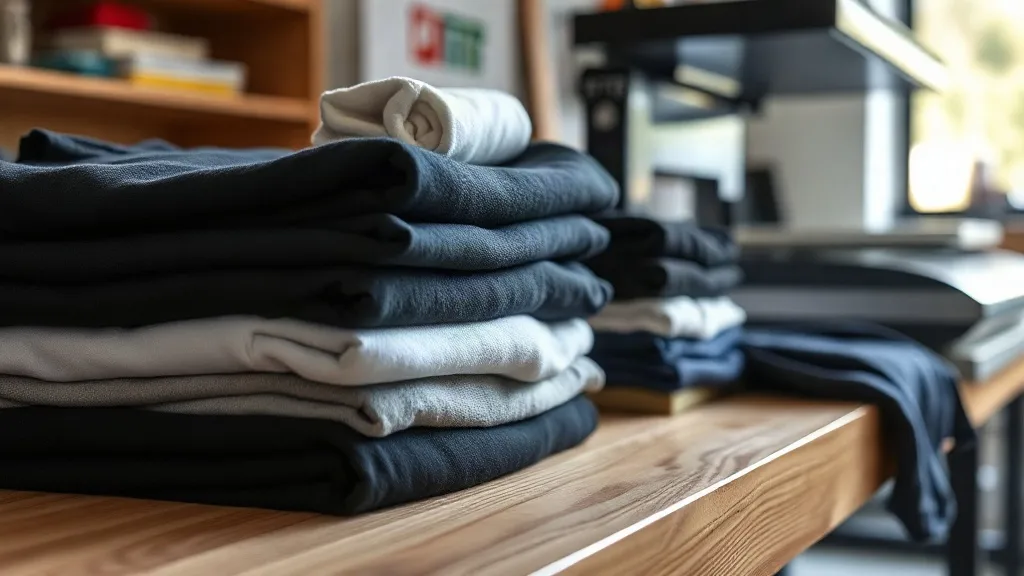
When you're running a print shop, the blank you choose can make or break a DTF transfer. Shaka Wear has become a go-to for many printers, but not every style is a perfect match for every DTF job. In this guide, we'll walk through the key factors to consider when selecting Shaka Wear tees for DTF printing, so you can avoid common pitfalls and deliver outstanding results.
Why Shaka Wear Is a Favorite Among DTF Printers
Shaka Wear has earned a solid reputation in the printing community for consistent quality and a wide range of styles. Their blanks are known for their durability, soft hand feel, and excellent printability. But what makes them particularly suited for DTF? Let's break it down.
Consistent Fabric Quality
Shaka Wear tees are made from 100% cotton or cotton-poly blends, with weights ranging from 5.5 oz to 7.5 oz. This consistency means you can rely on predictable results job after job. The fabric is tightly woven, which provides a smooth surface for DTF transfers to adhere to, reducing the risk of peeling or cracking.
Variety of Styles and Colors
From classic crewnecks to heavyweight tees, Shaka Wear offers a style for every customer. Their color palette is extensive, including popular streetwear shades. This variety allows you to cater to diverse customer preferences without sacrificing print quality.
Key Factors for DTF Printing on Shaka Wear Tees
While Shaka Wear blanks are generally DTF-friendly, some nuances can affect the final outcome. Here's what to look for.
Fabric Weight and Weave
Heavier fabrics (like 7.5 oz) tend to have a more pronounced texture, which can affect the smoothness of the DTF transfer. Lighter weights (5.5 oz) offer a smoother surface but may require careful handling to avoid over-stretching during pressing. The weave density also matters: tighter weaves provide better adhesion, while looser weaves might allow the transfer to sink in, leading to a duller finish.
Color and Opacity
DTF transfers are printed on a special film and then heat-pressed onto the garment. The color of the garment can influence the vibrancy of the print. On light colors, the white ink layer in DTF transfers ensures bright, opaque prints. On dark colors, the white layer is crucial for opacity, but if the fabric is too dark or too textured, the print may appear less vibrant. Shaka Wear's dark tees are generally deep and rich, so DTF prints pop nicely, but always test with a sample if you're unsure.
Pre-Treatment and Moisture
Shaka Wear tees may have a slight moisture content from manufacturing or storage. Moisture can interfere with DTF adhesion, causing bubbles or poor bonding. Always pre-press the garment to remove moisture and wrinkles before applying the transfer. A quick press at 330°F for 5-10 seconds is usually sufficient.
Recommended Shaka Wear Styles for DTF Printing
Based on our experience, here are some Shaka Wear styles that consistently perform well with DTF transfers.
- Shaka Wear Heavyweight Tee (7.5 oz): Ideal for streetwear and oversized fits. The tight weave and substantial weight provide a premium canvas for DTF prints. Just be mindful of the texture; a slightly higher press pressure may be needed.
- Shaka Wear Classic Crew (5.5 oz): A versatile choice for everyday tees. The lighter weight and smooth surface make it perfect for detailed designs. It's also a great option for samples and small batches.
- Shaka Wear Poly-Cotton Blend: These blends offer a soft hand and excellent color retention. They work well with DTF, but ensure the poly content isn't too high, as excessive polyester can cause the transfer to bond too quickly, leading to uneven results.
Common Pitfalls and How to Avoid Them
Even with high-quality blanks like Shaka Wear, mistakes can happen. Here are some common issues and solutions.
Transfer Peeling or Cracking
This often stems from insufficient pressure or time during pressing. Ensure your heat press is calibrated and apply consistent pressure across the entire transfer. Also, allow the garment to cool completely before stretching or folding.
Color Fading After Wash
DTF prints are durable, but improper washing can shorten their lifespan. Advise customers to wash inside out in cold water and avoid harsh detergents. Pre-pressing the garment also helps remove residues that might affect adhesion.
Uneven Print Surface
If the fabric has wrinkles or seams, the transfer may not adhere evenly. Always pre-press to smooth the surface, and avoid placing transfers over seams or thick hems.
Streamlining Your DTF Workflow with Gangsheets
For shops that print multiple designs on Shaka Wear tees, using gangsheets can significantly boost efficiency. A DTF Gangsheet Builder allows you to arrange multiple designs on a single sheet, maximizing film usage and reducing waste. This is especially useful when you have a variety of Shaka Wear styles and sizes to print. By planning your gangsheet layouts carefully, you can minimize idle time and increase throughput.
When building gangsheets for Shaka Wear tees, consider the fabric color and texture. Dark garments require a white ink base, so ensure your gangsheet includes the necessary white layer. Also, group similar fabrics together to maintain consistent press settings.
Final Thoughts: Matching the Right Tee to the Job
Shaka Wear offers a reliable foundation for DTF printing, but selecting the right style for each project is key. By understanding fabric weight, weave, and color, you can avoid common issues and deliver prints that impress. Remember to pre-press, calibrate your equipment, and use tools like the DTF Gangsheet Builder to streamline your process. With the right approach, Shaka Wear tees can become a staple in your shop's offerings, keeping customers coming back for more.
Frequently Asked Questions
Can I use DTF on all Shaka Wear tees?
Most Shaka Wear tees are suitable for DTF, but heavier weights and certain blends may require adjustments in press settings. Always test a sample first.
What's the best Shaka Wear tee for DTF printing?
The Classic Crew (5.5 oz) is a safe bet for detailed designs, while the Heavyweight Tee (7.5 oz) is great for bold, streetwear-style prints.
How do I prevent DTF transfers from cracking on Shaka Wear tees?
Ensure proper pressure, temperature, and time during pressing. Pre-press the garment to remove moisture and wrinkles. Allow the transfer to cool before handling.
Do I need to pre-treat Shaka Wear tees before DTF printing?
Pre-pressing is recommended to remove moisture and smooth the surface. No chemical pre-treatment is necessary for DTF.
Can I use the DTF Gangsheet Builder with Shaka Wear tees?
Absolutely. The Gangsheet Builder helps you arrange multiple designs efficiently, saving time and materials. Just ensure your gangsheet accounts for the fabric color and white ink requirements.