
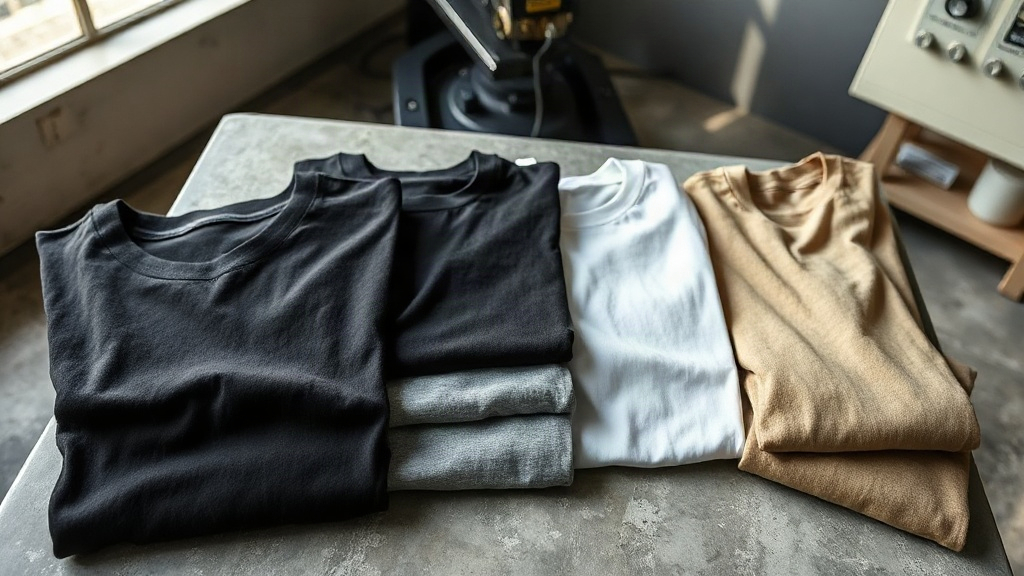
Most people searching for shaka wear are trying to figure out one thing: are these blanks actually worth pressing on, or is the hype just leftover momentum from the streetwear boom? If you run a DTF shop, that question matters more than brand loyalty. A blank that looks great on a hanger but fights your transfer on press day costs you time, reprints, and customer trust.
I have pressed DTF transfers onto dozens of blank brands over the past few years, and Shaka Wear sits in an interesting middle ground. It is not the cheapest option on the shelf, and it is not a premium retail blank either. What it offers is a specific combination of weight, fit, and price that works well for certain jobs and poorly for others. This guide breaks down where it fits.
What Shaka Wear Actually Is
Shaka Wear started as a Los Angeles based apparel brand with deep roots in streetwear and skate culture. Over time, its blank tees, hoodies, and long sleeves became a staple for screen printers, DTF printers, and small clothing labels looking for a heavier, boxier fit without paying boutique prices.
The brand is now distributed widely through wholesale channels, which means availability is generally good. You can order in small batches, restock quickly, and mix sizes without waiting weeks. For a DTF shop juggling one-off orders and small runs, that matters.
What it is not: a blank engineered specifically for heat transfer applications. No blank is, really. Every fabric has quirks, and Shaka Wear is no exception.
Fabric Behavior on a DTF Press
This is where the conversation gets practical. DTF transfers bond to fabric through a combination of heat, pressure, and adhesive chemistry. The fabric itself determines how well that bond holds up over time.
Cotton Content and Weight
Most Shaka Wear tees are 100 percent cotton, typically in the 5.5 to 6.5 ounce range depending on the style. That weight is a sweet spot for DTF. Lightweight 4 ounce blanks tend to let the transfer sit on top of a thin surface, which can feel stiff and plasticky. Heavier 7 ounce blanks can require more pressure and longer dwell times to get the adhesive to penetrate properly.
Shaka Wear sits in the middle. With a standard 320°F press for 15 seconds at medium pressure, transfers adhere cleanly and the hand feel stays reasonably soft after the first wash.
Surface Texture
Shaka Wear cotton has a fairly smooth face, especially on the ringspun styles. That smoothness helps DTF transfers lay flat with fewer edge lifts. If you have ever pressed onto a slub or heavy carded cotton blank, you know how frustrating a textured surface can be. Shaka Wear avoids that problem on most of its core tees.
Shrinkage
Expect some shrinkage on the first wash, usually around 3 to 5 percent on the cotton styles. Pre-washing blanks before pressing is not standard practice in most DTF shops, but if you are printing for a client who is obsessive about fit, it is worth mentioning in your product description. The shrinkage is normal for the category, not a defect.
Wash Durability: What to Tell Your Customers
The most common complaint DTF printers hear is that a transfer cracked or peeled after a few washes. Most of the time, the transfer itself is fine. The problem is wash and dry habits.
Shaka Wear tees hold DTF transfers well when cared for properly. Here is what actually matters:
- Wash inside out in cold water. Heat is the enemy of the adhesive layer.
- Skip the dryer or use low heat. High heat breaks down the transfer film faster than anything else.
- Do not iron directly over the print. If you must iron, use a pressing cloth and low setting.
- Avoid fabric softener. It leaves a residue that can weaken the bond over time.
Follow those rules and a well-pressed DTF transfer on a Shaka Wear tee will typically outlast the shirt itself. Ignore them and even a perfect press job will fail within a few cycles.
Where Shaka Wear Makes Sense for DTF Shops
Not every blank suits every job. Here is where Shaka Wear earns its place in a DTF workflow.
Streetwear and Skate Aesthetics
The boxy fit, heavier weight, and relaxed shoulder line fit the streetwear look that DTF customers often want. If you are printing graphic-heavy designs with bold color blocks, the Shaka Wear silhouette gives the print room to breathe.
Small Batch and One-Off Orders
DTF printing shines for short runs and single-piece orders. Shaka Wear's wholesale availability means you can keep a rotating stock of common sizes and colors without tying up too much capital. When a customer orders three shirts in three different sizes, you are not stuck waiting on a supplier.
Color Variety
Shaka Wear offers a solid range of core colors and seasonal drops. For DTF, the key consideration is contrast. White transfers on dark Shaka Wear tees pop cleanly. Dark transfers on light tees need a white underbase layer, which DTF handles automatically, so you do not need to worry about color separation.
Where It Falls Short
Honest assessment: Shaka Wear is not the right blank for every job.
- If you need a retail-soft, premium hand feel, look at combed ring-spun blanks in the 4.5 to 5 ounce range instead.
- If you are printing for a client who wants a slim, tailored fit, Shaka Wear's boxy cut may not match their vision.
- If you are doing high-volume production runs with tight margins, the per-unit cost of Shaka Wear may push your pricing higher than a cheaper alternative.
None of these are dealbreakers. They are just reasons to match the blank to the job instead of defaulting to one brand for everything.
A Practical Pressing Recipe for Shaka Wear Tees
Every press behaves a little differently, but this is a reliable starting point for DTF transfers on Shaka Wear cotton tees:
- Pre-press the shirt for 5 to 7 seconds to remove moisture and wrinkles.
- Place the transfer with the adhesive side down.
- Press at 320°F for 15 seconds with medium pressure.
- Peel cold or warm depending on your film's instructions. Most DTF films today are cold peel.
- Post-press with a cover sheet for 5 to 10 seconds for a smoother finish.
Adjust from there based on your press and film. If edges lift after washing, increase pressure slightly or extend the press time by a couple of seconds.
Frequently Asked Questions
Does Shaka Wear work well with DTF transfers?
Yes, especially the 100 percent cotton styles in the 5.5 to 6.5 ounce range. The smooth surface and mid-weight fabric give DTF adhesive a good bond without needing extreme press settings.
How much do Shaka Wear tees shrink after washing?
Expect around 3 to 5 percent shrinkage on the first wash for cotton styles. That is normal for the category. If precise fit matters, mention it to your customers or pre-wash blanks before printing.
Can I use DTF on dark Shaka Wear tees?
Absolutely. DTF transfers include a white underbase layer, so they print cleanly on black, navy, and other dark colors without any extra prep work.
Is Shaka Wear good for bulk orders or just small runs?
It works for both, but the value is strongest for small to mid-size runs where speed and availability matter. For very high volume with tight margins, compare pricing against cheaper alternatives before committing.
What is the best DTF press setting for Shaka Wear blanks?
Start at 320°F for 15 seconds with medium pressure, pre-press the shirt first, and post-press with a cover sheet. Adjust based on your specific film and press calibration.