
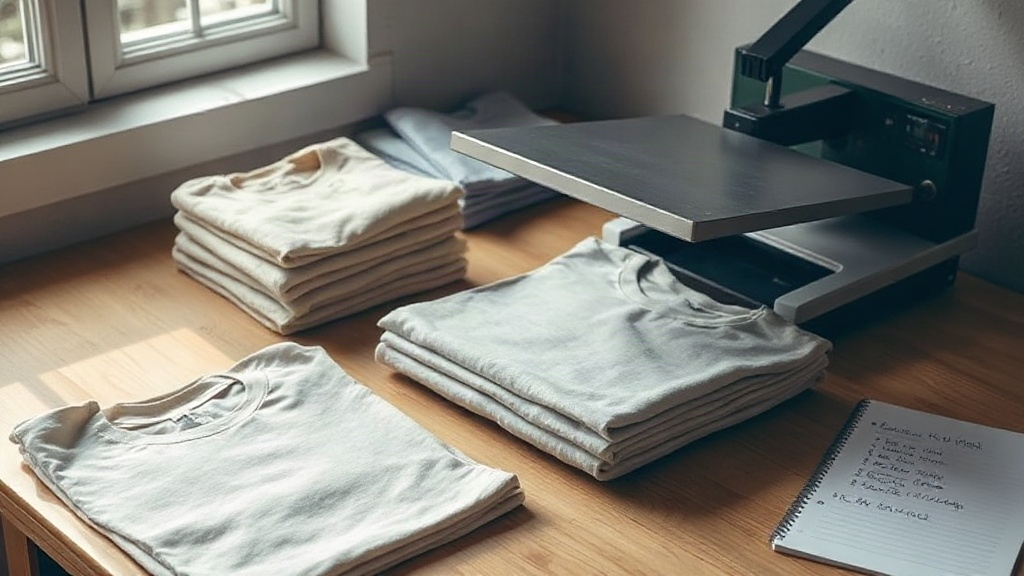
Anyone who has peeled a dtf transfers film off a freshly pressed shirt knows the sinking feeling when the design cracks at the edges or washes out after two cycles. Most people blame the transfer, the powder, or the press settings. In reality, the garment underneath often decides whether a print looks custom-shop quality or homemade. That is where smart blanks enter the conversation, and why so many print shops now pair them with trusted mill brands like shaka wear.
What Makes a Blank Smart Instead of Just Cheap
A smart blank is not simply the least expensive tee on a wholesale list. It is a garment chosen with printing performance in mind: consistent fabric weight, tight weave, low shrinkage, and a surface that accepts adhesive powder and film without fighting back. Price matters, but predictability matters more when you are running dozens of orders a week.
When you print dtf transfers onto inconsistent blanks, every batch becomes a gamble. One shirt takes the transfer beautifully, the next one repels it or scorches around the collar. Smart blanks remove that variable. You learn exactly how a specific style behaves under your press, and that knowledge compounds into faster production and fewer remakes.
Fabric Content and Weave
Cotton and cotton-poly blends both work with DTF, but they behave differently. A 100 percent cotton ring-spun tee tends to give the softest hand feel and holds detail well. Blends, especially those with a higher polyester count, can produce slightly brighter colors because the film adheres to synthetic fibers efficiently. The key is knowing which you are buying before the film hits the platen.
Weave density is the quieter factor. Loosely knit fabrics let the adhesive seep through the gaps, which can stiffen the print area and cause cracking later. Dense, combed cotton surfaces keep the transfer sitting on top where it belongs.
Why Shaka Wear Earns Its Place
Among the blanks that print shops keep reordering, shaka wear has built a reputation for heavyweight construction and dependable dye consistency. Their tees generally run with a substantial feel, which many customers associate with premium quality. For DTF work, that heavier fabric resists the slight puckering that thinner shirts sometimes show after pressing.
Color consistency is the underrated advantage. If you print a run of forty shirts in charcoal, you want every one of them to match. Brands that maintain tight dye lots spare you the awkward conversation with a client who received two visibly different shades.
Preparing Blanks Before the Press
Even the best blank will underperform if you skip preparation. Fresh garments straight from the poly bag carry manufacturing residue, sizing agents, and sometimes a faint chemical smell. That invisible layer sits between the fabric and your adhesive, and it is a common cause of transfers peeling at the corners.
A Simple Pre-Press Routine
- Pre-press the shirt for five to seven seconds to release moisture and flatten wrinkles.
- Let it cool completely before laying down the film.
- Check for stray threads or lint on the print area.
- Confirm the garment is not damp from humid storage.
Moisture is the enemy most people overlook. A shirt that feels dry to the touch can still hold enough water to turn into steam under the heat press, and that steam lifts the transfer from underneath. Pre-pressing solves this quietly and costs you almost nothing in time.
Matching Film and Blank for Longevity
The relationship between film and fabric is a two-way street. A heavyweight shaka wear tee can take slightly higher pressure without deforming, which helps the adhesive fully activate. A lighter fashion blank needs gentler settings so the collar and seams do not press flat.
Temperature and dwell time should be tuned to the specific combination in front of you, not copied blindly from a film label. Labels give a starting range. Your press, your platen, and your blank determine the final number.
Testing Before You Commit
Smart shops keep a stash of offcuts and test shirts for exactly this reason. Before running a client order, press one sample and wash it. A single wash cycle tells you more about durability than any spec sheet. If the edges lift, adjust pressure or time and test again. This habit separates operations that rarely see complaints from those that live in damage-control mode.
Where Smart Blanks Fit in Your Pricing
There is a temptation to chase the lowest blank cost to protect margins. That math often backfires. A shirt that costs two dollars less but generates one remake per twenty pieces eats the savings and then some. Smart blanks are not about spending more; they are about spending where it counts.
Consider the full cost of a failed print: the film, the powder, the labor, the press time, the shipping delay, and the customer's patience. Once you add those up, paying a little more for a dependable blank looks less like an expense and more like insurance.
Building a Blank Strategy That Scales
As order volume grows, standardization becomes your friend. Settle on two or three core styles that cover most requests, learn their quirks, and keep them in stock. Add specialty blanks only when a client specifically asks for them.
- One everyday cotton tee for general orders
- One heavyweight option for premium or workwear-style requests
- One budget-friendly style for giveaways and events
Each style gets its own press settings noted somewhere your whole team can see. That small piece of documentation prevents a new employee from guessing and ruining a batch.
Combining reliable smart blanks with proven film and careful technique turns DTF printing from a gamble into a process. The materials matter, but so does the discipline around them. Get both right, and your prints will hold up long after the novelty of a new shirt wears off.
Frequently Asked Questions
Do DTF transfers work on 100 percent polyester blanks?
Yes, and they often produce vivid colors because the adhesive bonds well to synthetic fibers. The main caution is heat sensitivity. Polyester can scorch or glaze at higher temperatures, so lower your press setting and shorten dwell time, then test on a scrap piece first.
How do I stop transfers from cracking after a few washes?
Cracking usually traces back to incomplete adhesive activation, too much pressure stretching the fabric, or a loosely woven blank. Pre-press the garment, follow the film maker's temperature range, and wash printed items inside out in cold water. Air drying extends the life of the print considerably.
Is Shaka Wear a good choice for large orders?
Their heavyweight construction and consistent dye lots make them a solid pick for volume work. Just confirm stock availability ahead of large runs, since popular colors and sizes can sell out quickly during busy seasons.
How many test prints should I do before a big job?
One or two well-documented tests per new blank style is usually enough. Record the temperature, time, and pressure that worked, then reuse those settings the next time you print that exact garment.
Can I mix different blank brands in a single order?
You can, but expect slight differences in shade, thickness, and print behavior. If the client wants a uniform look across sizes, sticking to one brand and style keeps the finished order consistent.