
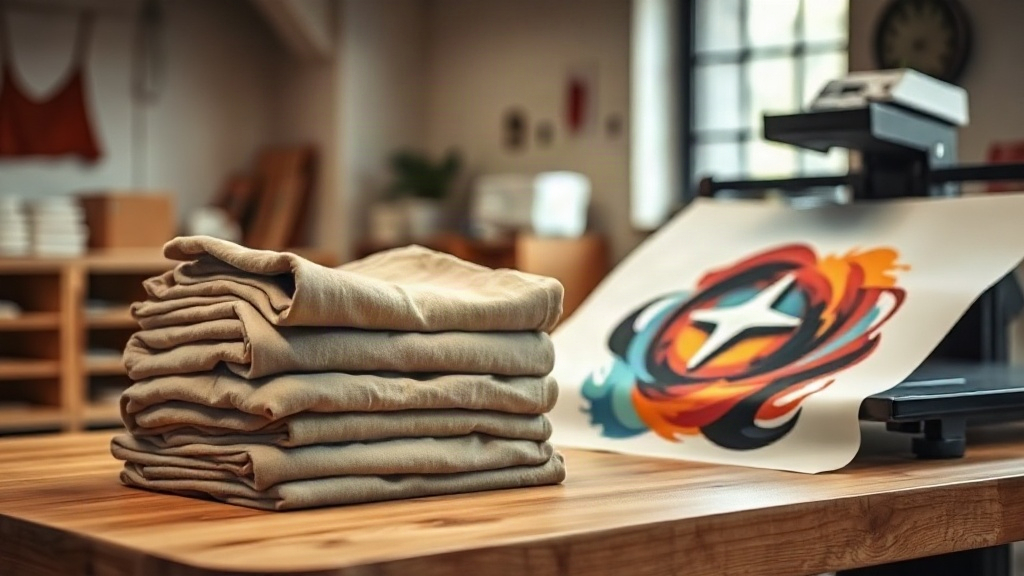
A print is only as good as the shirt it sits on. You can run a flawless DTF transfers workflow, dial in your press settings, and still watch a job fail because the blank underneath could not handle the heat or the ink. That is why serious decorators treat blank selection as part of the printing process, not an afterthought. Smart blanks exist for exactly this reason: they are garments chosen and prepared with decoration in mind, so the fabric, weave, and finish cooperate with your transfer instead of fighting it.
This guide walks through what makes a blank smart, how brands like Shaka Wear fit into the picture, and how to match garment to transfer so your customers get a print that still looks sharp after twenty washes.
What Actually Makes a Blank Smart
The phrase gets thrown around loosely, so it helps to be specific. A smart blanks approach means you evaluate a garment on the criteria that affect print quality, not just price per unit. Four things matter most.
Fiber content and heat tolerance
Cotton handles heat well and takes a DTF transfer cleanly. Polyester is trickier because high temperatures can scorch it or cause dye migration, where the garment's color bleeds up through the print. Blends sit somewhere in between. If you are pressing a red polyester performance shirt with white ink, a standard low-temperature adhesive may not be enough. You need a transfer film and powder formulated for low-temp application, plus a pressing routine that respects the fabric.
Weave and surface texture
A tight, smooth knit gives you even coverage and crisp edges. Loosely knit or heavily textured fabrics let the adhesive sink into the valleys, which can leave a slightly grainy finish. Ring-spun cotton tends to be smoother than open-end cotton, and that difference shows up in fine detail work like small type or thin line art.
Color and opacity
Printing white ink on a black shirt is a coverage test. A good blank has consistent dye lots so your white stays white, and it does not have a heavy silicone or stain-resistant finish that repels adhesive. Some retail brands add softeners and finishes that feel great in the store but cause transfers to peel. Wash-testing a sample before committing to a full run saves real money.
Shrinkage and stability
A shirt that shrinks two sizes after the first wash will distort the print along with it. Pre-shrunk and ring-spun options reduce that risk. For anything sold as a retail product, checking shrinkage rates on the spec sheet is worth the two minutes.
Where Shaka Wear Fits In
Shaka Wear has built a following among streetwear and workwear decorators for a few practical reasons. The brand leans into heavyweight cotton and cotton-blend constructions, which means the fabric can take heat without thinning out. Heavier fabric also drapes better and holds shape longer, so the print does not pucker as the garment moves.
Their tees and fleece tend to run boxy and substantial, which suits modern oversized fits. For DTF work, that weight is an advantage: the transfer has more material to bond with, and the finished piece feels like a real garment rather than a thin promotional tee. If you are building a small brand or printing team uniforms, a heavyweight blank from a consistent supplier removes one variable from your production line.
That said, heavyweight does not automatically mean DTF-friendly. Check the finish. Some garments are garment-dyed or enzyme-washed, and those processes can leave residue that interferes with adhesive. A quick pre-press to drive off moisture and a test pull on a scrap piece will tell you what you need to know.
Matching DTF Transfers to the Right Blank
The transfer and the garment are a system. Here is how to think about the pairing.
- 100% cotton tees: The easiest match. Standard temperature and pressure work, colors stay vivid, and the hand feel is soft after the first wash.
- Cotton-poly blends: Usually fine, but drop the temperature slightly and watch for dye migration on dark colors. Use a transfer film with a dye-blocking layer if the garment is heavily dyed.
- 100% polyester performance wear: Requires low-temp film and powder. Press cooler and slightly longer rather than hotter and shorter. Test before you commit.
- Fleece and hoodies: The thickness means you need more pressure to reach the fabric surface. Pre-press the area to flatten the nap, then press the transfer.
- Canvas and totes: Works well, but the coarse weave can show through light ink coverage. Go with designs that have solid shapes rather than fine gradients.
A quick pre-press routine that prevents most failures
- Set your press to the temperature your transfer film specifies, not the temperature you used last time on a different garment.
- Pre-press the garment for three to five seconds to remove moisture and flatten the surface.
- Position the transfer and apply firm, even pressure. Uneven pressure is the most common cause of partial adhesion.
- Peel according to the film's instructions, hot or cold. Getting this wrong can lift edges or stretch the print.
- Do a stretch test and a wash test on a sample before running the full order.
Common Mistakes That Cost You Money
Most DTF failures trace back to a handful of avoidable habits. Pressing too hot to save time scorches polyester and causes migration. Skipping the pre-press traps moisture under the film, which shows up as bubbles after washing. Using one pressure setting for every garment type means some prints get under-bonded and others get flattened. And buying blanks purely on unit cost ignores the labor you will spend reprinting failed jobs.
A smarter approach is to standardize on two or three blank styles you have tested thoroughly, then build your pricing around them. Consistency beats variety when you are trying to deliver a reliable product. When a customer requests something outside your tested range, treat it as a sample job first.
Frequently Asked Questions
Can you use DTF transfers on 100% polyester shirts?
Yes, but you need low-temperature transfer film and powder, and you should press cooler and slightly longer than you would on cotton. Dark polyester is the highest-risk case because of dye migration, so always run a test piece before a full production run.
Are Shaka Wear blanks good for heat transfer printing?
Their heavyweight cotton and cotton-blend garments generally take heat well and hold their shape, which makes them a solid choice for DTF work. Check the specific finish on each style, since garment-dyed or heavily washed items may need extra pre-pressing to remove residue.
How do I know if a blank is a smart choice before I buy in bulk?
Order one or two samples and run your actual transfer process on them. Check adhesion with a stretch test, then wash the sample three or four times and inspect for cracking, peeling, or color bleed. If it survives that, it is worth stocking.
Why does my DTF print peel after washing even though it looked fine at first?
Peeling usually means incomplete bonding, which comes from too little pressure, too low a temperature, moisture trapped under the film, or peeling at the wrong time. Repress a peeled area at the correct settings to confirm the cause before adjusting your whole workflow.
Do I need different settings for hoodies and t-shirts?
Yes. Fleece is thicker and has a nap, so it needs a pre-press to flatten the surface and more pressure to reach the fabric. T-shirts are flatter and generally need less pressure, so keeping separate presets on your press saves time and reduces errors.
Building a Blank Strategy That Scales
Good decoration businesses do not just buy shirts. They build a small library of tested blanks, document the press settings for each, and train everyone on the floor to follow those settings. Whether you lean on heavyweight Shaka Wear styles, standard ring-spun tees, or performance fabrics, the principle is the same: choose garments that cooperate with your DTF transfers, test them properly, and treat that combination as your product. That is what smart blanks really means in practice, and it is the difference between a print that sells and a print that comes back.