
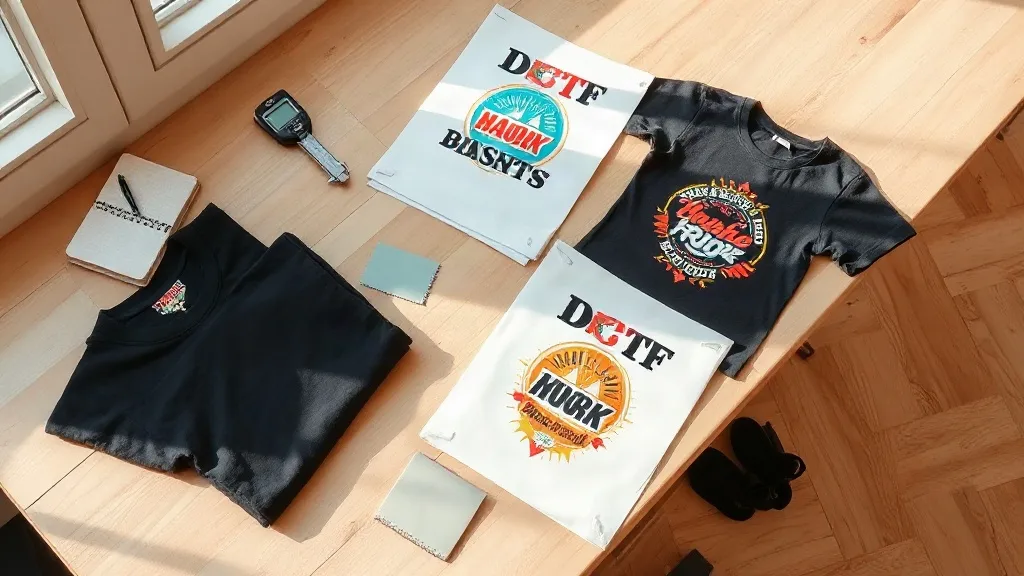
Most people who order dtf transfers for the first time get surprised by the same thing: two suppliers quote wildly different numbers for what looks like the same job. One charges per sheet, another per linear meter, a third bundles a "setup fee" that nobody explained. Before you know it, the cheapest quote ends up costing more once reprints and ruined blanks are counted. This guide is about the money side of dtf printing and the small checks that protect your budget, whether you run a one-person shirt shop or a small production team.
What Actually Drives the Price of a DTF Transfer
Suppliers rarely price on a single variable. In practice, four cost factors get mixed into one number, and knowing them lets you see through a quote that looks too good.
Ink coverage and film consumption
A transfer with a large solid black area uses far more ink and film than one with thin lettering. Some shops price by sheet size regardless of coverage, which is great for heavy designs and less great for light ones. If your artwork is mostly light coverage, ask whether pricing can reflect that. A supplier that only quotes by sheet size is not necessarily overcharging, but you should know which side of the trade you are on.
Gang sheet efficiency
This is where real savings live. A gang sheet is a single printed sheet holding many designs arranged tightly. The less empty film you pay for, the lower your effective cost per print. A 22 by 60 inch sheet packed with eight small logos can bring your per-piece cost down dramatically compared with ordering those logos as separate small sheets. The catch: you have to prepare the layout yourself or use a tool that does it. Sloppy nesting with wasted gaps quietly raises your unit cost.
Powder, curing, and finishing time
Hot-melt powder application and curing take labor. A shop that skips proper powdering to save time produces transfers that feel dry and crack early, and you will pay for that later in replacements. Cheap quotes often hide this step. Ask directly whether transfers are powdered and cured, and how they store them before shipping.
Shipping and minimums
Small orders absorb a disproportionate share of shipping and handling. If you order ten transfers at a time, shipping can add 30 to 50 percent to your per-unit cost. Batching into larger orders, or combining with a friend's order, changes the math more than most people expect.
How to Compare Two Quotes Without Getting Fooled
Put both quotes on the same footing before you decide. The comparison below is the one I use whenever a new supplier is pitched to me.
- Convert to cost per finished print. Divide the total invoice, shipping included, by the number of usable prints you receive. This single number settles most arguments.
- Check the sheet dimensions. A "large sheet" can mean 13 by 19 inches or 22 by 60 inches. Ask for exact measurements in inches or centimeters.
- Confirm whether artwork setup is included. Some shops charge to resize or clean up files. Others do it free but take three extra days.
- Ask about reprint policy. A supplier that replaces defective transfers without argument is worth a few cents more per print.
- Test one order before committing. Never place a large first order based on a quote alone.
If one quote is dramatically lower, the gap is almost always in powdering, ink quality, or shipping terms. Ask which one, and listen to how clearly the answer comes back.
The Five-Minute Quality Check When Your Order Arrives
Do this before you press anything. Catching a bad batch early is the difference between a supplier reprint and you eating the loss.
1. Look at the film backing
Hold a transfer up to a window. The printed areas should look evenly opaque, not patchy or grainy. Uneven ink density shows up as faded patches after pressing, especially on dark garments.
2. Feel the powder
Run a fingertip lightly across the printed surface. It should feel slightly tacky and gritty, not slick and smooth. A slick surface usually means the powder was applied too thinly or the cure was incomplete, and those transfers tend to crack after a few washes.
3. Check registration on multicolor designs
If your design has two or more colors meeting at an edge, inspect that edge closely. Misalignment of a fraction of a millimeter is normal; visible white gaps between colors are not.
4. Press one test piece
Always press a single transfer on a scrap blank first. Peel it while warm or cold according to the supplier's instructions, then stretch the fabric gently in both directions. Cracking along the stretch line means the press temperature or pressure was off, or the transfer itself is weak. Adjust and try again before running the rest of the batch.
5. Log what you received
Keep a simple note of order date, quantity, sheet size, and any defects. When you contact a supplier about a problem, specific numbers get faster resolutions than a vague complaint.
When Ordering Locally Makes More Sense Than Shipping
People searching for dtf transfers near me usually have a deadline problem. A local printer can hand you transfers the same day, which matters when a team order is due Friday and a shipment would arrive Thursday night with no time to fix errors. The trade-off is price: local shops often charge more per sheet because their volume is lower.
A reasonable middle path is to keep a local supplier for rush jobs and a larger online supplier for planned batches. If you know your busy season, order ahead from the cheaper source and keep a small local buffer for emergencies. That combination costs less than panic-ordering everything locally, and far less than missing a deadline.
Common Money Leaks in DTF Work
- Pressing on the wrong fabric. Transfers bond poorly to heavily coated or very stretchy synthetics, and the failure shows up after you have already sold the shirt.
- Reusing peel-off film. It is tempting, but reused film causes inconsistent pressure and dull finishes.
- Ignoring storage. Transfers stored in humid rooms or direct sunlight degrade. Keep them flat, dry, and away from heat.
- Over-ordering small sizes. Order counts that match your actual sales history, not your optimism.
- Skipping the test press. One scrap blank costs a couple of dollars; a ruined batch costs far more.
None of these are dramatic mistakes. Together, they are where most of the wasted money in a small print operation goes.
Frequently Asked Questions
Is it cheaper to buy DTF transfers or a DTF printer?
For most small shops, buying transfers is cheaper until volume passes roughly a few hundred prints per month. A printer carries ink, film, powder, maintenance, and a learning curve, and the break-even point depends heavily on your design sizes. Start by ordering transfers and track your monthly print count; the numbers will tell you when owning equipment makes sense.
Why do some DTF transfers crack after washing?
Cracking usually traces back to one of three causes: insufficient powder during production, incorrect press temperature or pressure, or washing inside out at high heat. Wash test one sample before selling a batch, and follow the supplier's press settings exactly rather than guessing.
Can I fit many small designs on one gang sheet to lower the cost?
Yes, and this is the single biggest lever on unit price. Arrange designs tightly with small gaps, rotate pieces where the shape allows, and avoid large empty margins. Most suppliers provide a template with the exact printable area, so build your layout inside it rather than guessing.
How long can I store DTF transfers before using them?
Stored flat in a cool, dry place away from direct sunlight, most transfers stay usable for several months. Humidity is the main enemy, so avoid garages and damp basements. If transfers feel damp or the powder clumps, test one before running a full order.
What should I do if part of my order arrives defective?
Photograph the affected transfers next to a ruler or the packing slip, note the quantity, and contact the supplier within their stated claim window. Clear photos and exact counts resolve most claims quickly. Pressing a defective transfer and then complaining is weaker evidence than showing the flaw on the untouched sheet.