
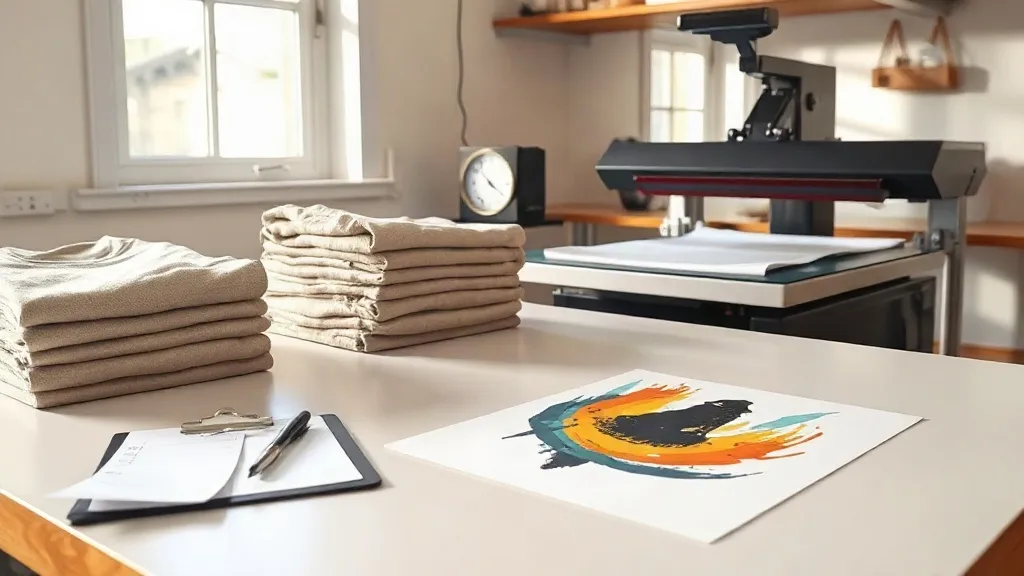
Every print shop eventually learns the same lesson: most DTF failures are decided before the heat press ever closes. A transfer lifts at the collar because the blank was damp. A color looks muddy because the shirt sat in a hot van for a week. A customer returns a hoodie because the print cracked after three washes, and nobody can say which batch it came from. Running shaka wear blanks through a DTF workflow is not complicated, but it rewards shops that treat quality control as a routine rather than a rescue mission. This guide walks through the checkpoints that actually catch problems early, in the order they happen on a real shop floor.
Start With a Receiving Check, Not a Shelf Check
The cheapest defect to fix is the one you catch before the box goes on the shelf. When a shipment of blanks arrives, open at least one unit from each size and color run and put it under decent light. You are looking for three things: shade consistency across the pack, fabric hand feel, and whether the garment matches the spec you ordered.
Shade drift is the sneakiest issue because it rarely looks wrong on its own. A heather grey from one dye lot can sit a full step lighter than the same style from the previous order, and you will only notice when a customer orders a matching set of team shirts. Line up the new delivery next to a known reference piece from your current stock and compare them side by side. If the difference is visible, separate the lots and treat them as different products in your system.
What to Log at Intake
- Date received, supplier, style number, and dye lot if it appears on the packaging
- Quantity by size and color, with any shorted or substituted pieces flagged
- A reference photo of the actual fabric under neutral lighting
- Any visible defects: skipped seams, uneven hems, pinholes, loose threads
This log takes a few minutes per delivery and pays for itself the first time a customer questions a color match. It also gives you something concrete to send a supplier instead of a vague complaint.
Storage Conditions Quietly Decide Print Outcomes
Cotton and cotton blends absorb moisture from the air, and moisture is the enemy of a clean DTF press. A blank that feels dry to the touch can still carry enough humidity to interfere with adhesion, especially in older garments that have been sitting in a warehouse. If your stock room is damp, unheated in winter, or next to a wash bay, you have a variable you cannot see.
Keep blanks in sealed bags or covered shelving, off concrete floors, and rotate stock so older units get used first. Before pressing, give garments that have been stored in a cold or humid space time to acclimate to room conditions. A simple humidity gauge on the wall costs less than a ruined run of twenty shirts.
The Pre-Press Moisture Test
On a new batch, press one blank for a few seconds with an empty press to drive off surface moisture, then run your transfer as normal. Compare that unit against one pressed straight from the bag. If adhesion, edge definition, or the final hand feel differs, your storage routine needs attention. This single test has saved more shops than any troubleshooting chart.
Build a Press Recipe and Stick to It
Consistency beats cleverness. The moment one operator presses at 320°F for twelve seconds and another at 350°F for eight, your quality data becomes meaningless. Write down a press recipe for each blank type you run and tape it to the machine. Temperature, pressure, time, and peel method should all be specified.
Pressure is the setting most shops get wrong. Too little pressure and the transfer film does not fully contact the fabric, which shows up as patchy adhesion or a print that lifts at the edges after washing. Too much pressure can flatten the fabric weave and create a shiny, pressed-in look on the print area. Aim for firm, even pressure across the platen and check it with a pressure gauge or a simple test print across the full sheet.
Why Peel Method Matters
Cold peel and hot peel transfers behave differently, and mixing them up produces inconsistent texture across an order. Cold peel generally gives a smoother, more matte finish and is more forgiving on detailed artwork, while hot peel speeds up production. Whatever you choose, apply it the same way on every unit. If you are building custom layouts for a large order, the DTF Gangsheet Builder makes it easier to group artwork by peel method and color so the press operator is not guessing mid-run.
Inspect the Print Before the Shirt Leaves the Table
Final inspection takes about fifteen seconds per garment and catches the errors customers notice first. Check the print at arm's length, then close up, then from the back. You are looking for incomplete transfer at the edges, ghosting where the film shifted, stray fibers trapped under the ink, and misalignment against the collar or side seam.
Pay particular attention to the transition between fabric and print. A clean edge that follows the artwork contour is a good sign. A fuzzy or feathered edge usually means pressure was uneven or the fabric surface was not flat when the transfer went down. On textured or ribbed areas, expect some ink settling into the weave, but it should look intentional rather than blotchy.
A Quick Wash Simulation
Once a week, take one finished piece from production and run it through a home wash cycle, inside out, with detergent, then let it air dry. Compare it against a fresh unit. Look for cracking, lifting at the corners, color shift, and how the fabric itself holds up. This is not a lab test, but it is a realistic proxy for what your customer will do, and it surfaces problems long before a complaint does.
Track the Variables That Actually Change Results
Most quality issues trace back to a handful of variables: fabric composition, fabric color, moisture content, press temperature, pressure, and dwell time. When something goes wrong, you want to know which of these changed. Keeping a simple production log with the blank style, dye lot, press settings, and operator initials turns a mystery into a solvable problem.
- Record press settings for every run, even repeat orders
- Note the blank style and lot for anything going to a repeat client
- Photograph any defect and attach it to the job record
- Review the log weekly for patterns rather than one-off issues
Patterns matter more than incidents. One lifted edge is bad luck. Three lifted edges on the same blank style in a week is a process problem, and the log is what tells you that.
Train Everyone on the Same Standard
Quality control fails when it lives in one person's head. Anyone who touches the press should know what an acceptable print looks like, where to look for defects, and when to stop and ask. A short reference sheet with photos of good and bad examples works better than a paragraph of instructions. Update it whenever you find a new failure mode, and keep it visible at the press station.
New operators should run a handful of test prints on scrap blanks before touching a customer order. Give them a checklist and have them sign off on their first few production pieces. It feels bureaucratic for a small shop, but it prevents the situation where a defect ships because nobody wanted to speak up.
Frequently Asked Questions
How do I stop DTF prints from cracking after washing?
Cracking usually comes from incomplete adhesion, which traces back to moisture in the fabric, insufficient pressure, or too short a dwell time. Dry the garment before pressing, verify your pressure across the platen, and follow the transfer supplier's recommended time and temperature. A wash test on one sample per batch will confirm whether your settings hold up.
Should I pre-press blanks before applying a DTF transfer?
Yes, a short pre-press of five to ten seconds removes surface moisture and smooths wrinkles that would otherwise cause uneven contact. It also gives you a chance to inspect the print area for defects before you commit a transfer to the garment.
How do I handle color differences between blank shipments?
Compare new deliveries against a reference piece from your existing stock under neutral lighting. If the difference is visible, treat the new lot as a separate SKU, note it in your production log, and use it for jobs where matching is not critical. For team or uniform orders, pull all garments from a single lot whenever possible.
What is the most common cause of DTF defects in a busy shop?
Inconsistency. Different operators using different settings, blanks stored in different conditions, and no record of what changed. A written press recipe, a simple intake log, and a weekly wash test catch most issues before they reach a customer.
How often should I run quality checks on a repeat order?
Every run deserves at least a quick intake and final inspection, even if the artwork and blank style are unchanged. Suppliers change lots, storage conditions shift with the seasons, and press equipment drifts over time. Fifteen seconds per piece is a small price for a clean reputation.