
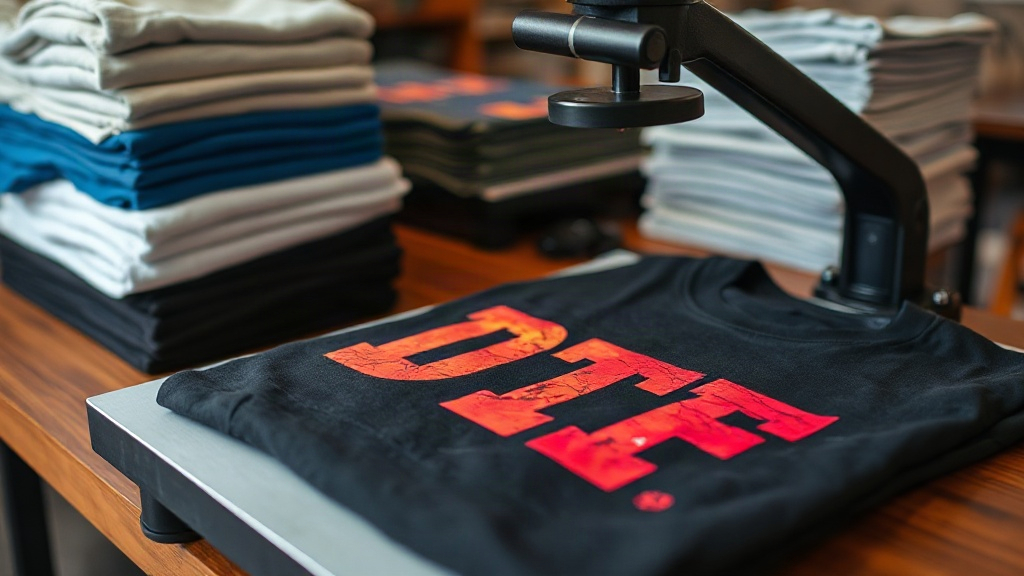
If you've been in the custom apparel game for more than five minutes, you know that the right combination of printing technique and blank garment can make or break a product. DTF transfers have exploded in popularity recently, and for good reason. They offer incredible detail, vibrant colors, and work on a huge range of fabrics. But not all blanks are created equal. In this article, I'm sharing my firsthand experience using DTF transfers with two standout brands: Shaka Wear and Smart Blanks. Whether you're a seasoned decorator or just starting out, you'll walk away with practical insights to level up your prints.
Why DTF Transfers Are Changing the Game
Before diving into the blanks, let's quickly recap what makes DTF transfers so special. Unlike screen printing or vinyl, DTF (Direct to Film) involves printing your design onto a special film, coating it with adhesive powder, and then heat-pressing it onto the garment. The result is a soft, stretchable print that holds up wash after wash. It works on cotton, polyester, blends, and even tough-to-print fabrics like nylon. Plus, you can achieve photographic detail without the setup costs of screen printing.
I've used DTF transfers on everything from 100% cotton tees to 50/50 blends, and the versatility is unmatched. But here's the catch: the quality of your final product depends heavily on the blank you choose. A great transfer on a poor-quality shirt will still look mediocre. That's why I want to highlight two brands that consistently deliver: Shaka Wear and Smart Blanks.
Shaka Wear: Streetwear Vibes Meets DTF Performance
Shaka Wear has become a go-to for streetwear brands and anyone who wants that relaxed, urban aesthetic. Their tees are known for being heavyweight, boxy, and ultra-comfortable. I recently printed a series of DTF transfers on Shaka Wear's 7.5 oz max-heavy cotton tee, and the results were impressive.
Fabric and Feel
Shaka Wear garments are typically 100% cotton, which is ideal for DTF transfers. The cotton fibers allow the adhesive to bond deeply, resulting in a print that feels like part of the fabric. The heavyweight nature of these tees means they can handle the heat press without scorching or shrinking excessively. I pressed at 325°F for 15 seconds with medium pressure, and the transfer adhered perfectly.
Color and Detail
Because Shaka Wear offers a range of colors, from classic black to vibrant reds, you need a printing method that pops. DTF transfers deliver opaque, bright colors even on dark backgrounds. I printed a detailed graphic with gradients and fine lines, and the result was crisp. No cracking, no fading after multiple washes.
Best Use Cases
If you're targeting the streetwear market, Shaka Wear paired with DTF transfers is a winning combo. The heavyweight fabric gives a premium feel, and the print quality matches that vibe. I've seen brands sell these tees for $40+ because the quality justifies the price.
Smart Blanks: Affordable Quality for High-Volume DTF Printing
On the other end of the spectrum, Smart Blanks offers budget-friendly options without sacrificing too much quality. These blanks are popular among print shops that need to fulfill large orders quickly. I tested DTF transfers on Smart Blanks' 4.3 oz ringspun cotton tee, and here's what I found.
Fabric and Durability
Smart Blanks tees are lighter weight, which makes them great for warm weather and layering. The ringspun cotton is soft, and the fabric accepts DTF transfers well. However, because they're thinner, you need to be careful with heat press settings. I lowered the temperature to 310°F and reduced pressure to avoid scorching. The transfers still bonded securely, but I'd recommend a test press on a scrap piece first.
Cost-Effectiveness
Where Smart Blanks shines is in its pricing. If you're printing hundreds of shirts for an event or a promotional campaign, these blanks keep your costs down. The DTF transfers still look great, though they might not have the same luxurious feel as on heavier fabrics. But for the price, it's hard to beat.
Best Use Cases
Smart Blanks are perfect for giveaways, team uniforms, or any project where budget is a primary concern. The combination of DTF transfers and Smart Blanks allows you to offer custom apparel at competitive prices without compromising too much on quality.
How to Get the Best Results with DTF Transfers on These Blanks
Based on my trials, here are some tips to maximize your success:
- Pre-press your garment: Always pre-press for 5-10 seconds to remove moisture and wrinkles. This ensures the DTF transfer adheres evenly.
- Adjust temperature and pressure: For heavyweight Shaka Wear, use 325°F and medium pressure. For lighter Smart Blanks, drop to 310°F and light pressure.
- Peel while hot or cold? Most DTF transfers are cold peel, but check your film's instructions. I prefer cold peel for finer details.
- Post-press for durability: After peeling, press again for 5 seconds with a Teflon sheet to smooth the print and improve washability.
- Wash inside out: Advise your customers to wash inside out in cold water and tumble dry low to extend the life of the print.
These small adjustments make a big difference. I've seen prints last over 50 washes when done correctly.
Comparing Shaka Wear and Smart Blanks for DTF Transfers
To help you decide, here's a quick comparison:
- Weight: Shaka Wear is heavier (5.5-7.5 oz) vs. Smart Blanks (4.3 oz).
- Feel: Shaka Wear feels premium and structured; Smart Blanks feels soft and lightweight.
- Price: Smart Blanks is more budget-friendly; Shaka Wear is mid-to-high range.
- DTF Compatibility: Both work well, but Shaka Wear handles higher heat and pressure better.
- Best for: Shaka Wear for retail and streetwear; Smart Blanks for promotions and bulk orders.
Ultimately, your choice depends on your target market and budget. Many shops stock both to offer variety.
Common Pitfalls to Avoid
Even with great blanks, mistakes happen. Here are a few I've learned the hard way:
- Over-pressing: Too much heat can scorch the fabric or cause the transfer to look glossy. Always start lower and increase if needed.
- Insufficient pressure: If the transfer doesn't adhere, it will peel off after a few washes. Make sure your press is calibrated.
- Ignoring fabric content: While DTF transfers work on many fabrics, blends with high polyester may require lower temperatures to avoid dye migration.
- Rushing the peel: Waiting for the transfer to cool completely before peeling ensures clean edges.
By avoiding these, you'll get consistent, professional results.
Frequently Asked Questions
Can I use DTF transfers on Shaka Wear's 50/50 blends?
Yes, DTF transfers work on 50/50 blends. However, because polyester content can cause dye migration, use a low-temperature transfer or a blocker sheet. I recommend pressing at 300°F and testing first.
How do I prevent DTF transfers from cracking on Smart Blanks?
Cracking usually happens from insufficient pressure or stretching the garment during peeling. Ensure even pressure and let the transfer cool completely before peeling. Also, post-press with a Teflon sheet to seal the edges.
Which is better for DTF transfers: Shaka Wear or Smart Blanks?
It depends on your needs. Shaka Wear offers a premium, heavyweight feel ideal for retail. Smart Blanks is cost-effective for high-volume orders. Both are compatible with DTF transfers; choose based on your budget and target market.
Do I need a special printer for DTF transfers?
Yes, you need a DTF printer that uses pigment inks and a shaker machine for the adhesive powder. Alternatively, you can buy pre-made DTF transfers from a supplier and just use a heat press.
How long do DTF transfers last on these blanks?
With proper application and care, DTF transfers can last 50+ washes. Always follow wash instructions: inside out, cold water, low tumble dry.
Final Thoughts
Pairing DTF transfers with the right blank is the secret to creating apparel that customers love. Shaka Wear and Smart Blanks each bring unique strengths to the table. Shaka Wear delivers a premium, streetwear-ready canvas, while Smart Blanks keeps your projects affordable without skimping on quality. By following the tips above, you'll achieve vibrant, durable prints that stand out. So go ahead, experiment with both, and find the perfect match for your next project.