
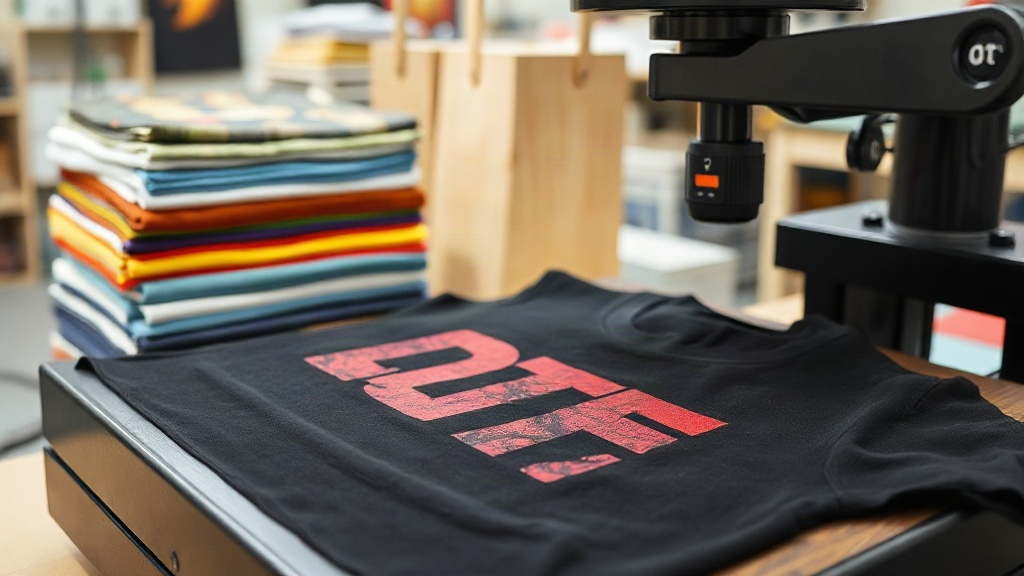
When you pull a freshly pressed shirt from your heat press, the last thing you want is a cracked, faded design. But if you're printing on blanks that aren't optimized for the process, that's exactly what you'll get. That's why pairing DTF transfers with the right garments, like those from Shaka Wear and Smart Blanks, can make or break your output. In this guide, I'll walk you through everything you need to know to get professional results every time, from choosing the right fabric to troubleshooting common pitfalls.
Why DTF Transfers Are a Game-Changer for Custom Apparel
DTF (Direct to Film) transfers have exploded in popularity for good reason. Unlike screen printing, DTF doesn't require color separation or minimum orders. Unlike vinyl, it can handle intricate details and gradients without weeding. And unlike DTG, it works on a huge range of fabrics, including cotton, polyester, and blends. The process involves printing your design onto a special film, coating it with adhesive powder, and then heat-pressing it onto the garment. The result is a vibrant, stretchable print that feels soft and holds up wash after wash.
But here's the catch: not all blanks are created equal. The fabric's weave, thickness, and fiber content all affect how well the transfer adheres and how long it lasts. That's where Shaka Wear and Smart Blanks come in. Both brands are known for their quality and consistency, making them ideal for DTF printing. Let's dive into what makes them stand out.
Shaka Wear: Premium Blanks for Vibrant DTF Prints
Shaka Wear has built a reputation for producing heavyweight, durable garments that take prints beautifully. Their 7.5 oz cotton tees are a favorite among printers who need a canvas that won't buckle under the heat press. The tight knit and smooth surface allow the DTF transfer to sit flush, minimizing the chance of peeling or cracking.
Key Features of Shaka Wear Blanks
- Heavyweight cotton: 100% cotton or cotton-poly blends that provide a stable base for transfers.
- Pre-shrunk: Reduces shrinkage after washing, so your prints stay put.
- Consistent sizing: True-to-size fit that customers appreciate.
- Wide color range: From classic whites and blacks to trendy hues, you'll find a shade for every design.
When working with Shaka Wear, I've found that a medium pressure and a temperature of 325°F for 15 seconds yields excellent adhesion. Because the fabric is heavier, you might need to pre-press for a few seconds to remove moisture. This step is crucial; any trapped moisture can cause the transfer to bubble or lift.
Best Practices for DTF on Shaka Wear
Start by pre-pressing the garment for 5-7 seconds to flatten the fibers and eliminate wrinkles. Then, position your DTF transfer and press at 325°F for 15 seconds with medium pressure. Wait for the film to cool completely before peeling; this prevents the design from stretching or distorting. For a softer feel, you can do a second press with a Teflon sheet for 5 seconds after peeling.
Smart Blanks: Affordable Quality for High-Volume DTF Production
If you're running a high-volume shop, Smart Blanks offers an excellent balance of price and performance. Their garments are popular for corporate events, team uniforms, and promotional merchandise because they're budget-friendly without sacrificing quality. The fabric is typically a cotton-poly blend, which takes DTF transfers well and provides a smooth printing surface.
Why Smart Blanks Work Well with DTF
- Polyester content: Blends with polyester tend to hold DTF prints securely, as the adhesive bonds well with synthetic fibers.
- Smooth texture: Fewer irregularities mean fewer chances for air pockets.
- Variety of styles: From tees to hoodies, you'll find options for every project.
One thing to note: Smart Blanks may have a slightly different hand feel than Shaka Wear, but that doesn't affect print durability. In fact, for stretchy fabrics, DTF is often the best choice because it flexes with the garment without cracking.
Application Tips for Smart Blanks
Because Smart Blanks often contain polyester, you'll want to adjust your press settings slightly. Lower the temperature to 300°F and press for 12-15 seconds. Too much heat can cause the polyester to scorch or the transfer to yellow. Always test on a scrap piece first. Also, use a cover sheet to protect the transfer from direct heat.
Step-by-Step Guide to Applying DTF Transfers on These Blanks
Whether you're using Shaka Wear or Smart Blanks, the fundamental steps are similar. Here's a foolproof method:
- Pre-press the garment: 5-7 seconds at 325°F to remove moisture and wrinkles.
- Position the transfer: Place it with the adhesive side down. Use heat tape if needed.
- Press: At 325°F for 15 seconds with medium pressure for Shaka Wear; 300°F for 12-15 seconds for Smart Blanks.
- Cool and peel: Wait until the film is cool to the touch, then peel slowly at a low angle.
- Post-press (optional): Cover with Teflon and press for 5 seconds for added durability.
This process works for both brands, but always consult the specific transfer instructions if you're using a specialty film.
Common Issues and How to Fix Them
Even with quality blanks, problems can arise. Here are solutions to the most frequent DTF issues:
1. Transfer Peeling After Washing
If your print peels, it's usually due to insufficient pressure or incomplete cooling before peeling. Increase pressure and ensure the transfer is completely cool before removing the film. Also, wash garments inside out in cold water and avoid fabric softener.
2. Cracking or Fading
Cracking often stems from overstretching the garment during peeling or using too high heat. For Shaka Wear, stick to 325°F; for Smart Blanks, 300°F. If cracking occurs, try a lower temperature and longer press time.
3. Adhesive Residue on the Film
If you see adhesive left on the film after peeling, the transfer didn't fully adhere. This can happen if the garment wasn't pre-pressed or if pressure was uneven. Re-press the area with a cover sheet for a few seconds.
4. Color Bleeding on Dark Garments
DTF transfers are opaque, but on very dark colors, a white underbase is recommended. Some transfers come with a white layer; if not, you can double-layer. Shaka Wear blacks are deep, so a white base ensures vibrancy.
Maximizing Durability: Care Instructions for Your Customers
To keep prints looking new, advise your customers to:
- Wait 24 hours before first wash.
- Turn garment inside out.
- Machine wash cold, gentle cycle.
- Tumble dry low or hang dry.
- Do not iron directly on the print.
Following these simple steps can extend the life of the print significantly.
Frequently Asked Questions
Can I use DTF transfers on 100% polyester Shaka Wear shirts?
Yes, but you'll need to adjust your press settings. Lower the temperature to 300°F and use light pressure to avoid scorching. Pre-press to remove moisture, and always test on a scrap first.
What's the best way to store unused DTF transfers?
Keep them in a cool, dry place away from direct sunlight. Store them flat or rolled, not folded, to prevent creasing. A zip-lock bag works well to protect from dust and moisture.
How do I remove a DTF transfer if I make a mistake?
While DTF is meant to be permanent, you can try reheating the transfer with a heat press or iron and peeling it off while hot. Use a Teflon sheet to protect the garment. Some residue may remain; a commercial adhesive remover can help.
Are DTF transfers safe for children's clothing?
Yes, DTF transfers are safe for children's clothing as long as the inks are CPSIA-compliant. Always check with your transfer supplier. The prints are soft and flexible, making them comfortable for kids.
How does DTF compare to screen printing on Shaka Wear and Smart Blanks?
DTF is superior for complex designs with gradients and fine details, and it requires no minimum order. Screen printing is more cost-effective for large runs of simple designs. Both work well on these blanks, but DTF offers more versatility.
By choosing the right blanks and following these guidelines, you'll be producing professional-grade apparel that withstands the test of time. Whether you're a hobbyist or a commercial printer, DTF transfers combined with Shaka Wear and Smart Blanks are a winning combination.