
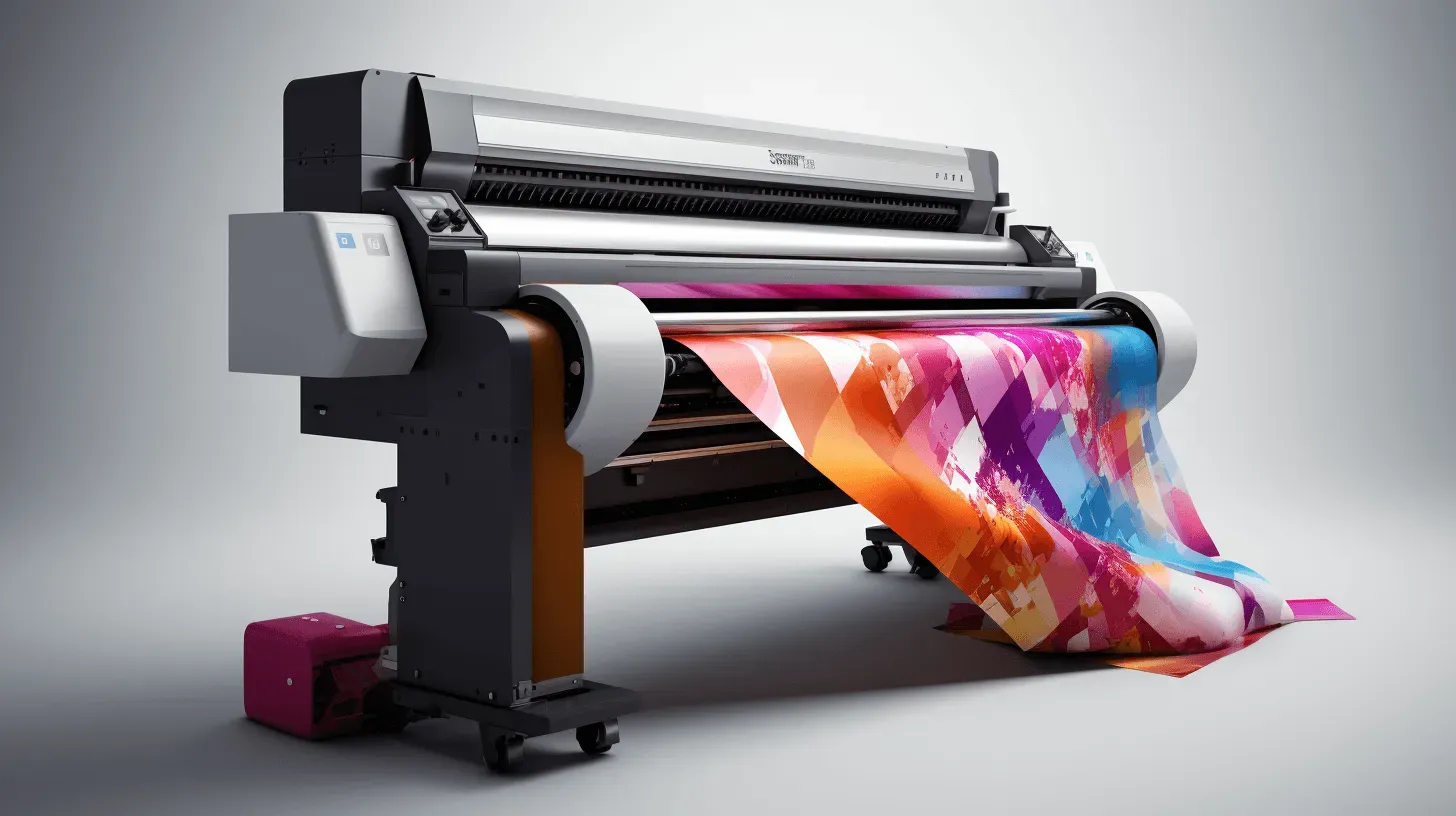
DTF printing, or Direct to Film printing, has transformed the fabric printing landscape, enabling businesses to create striking and durable designs with remarkable ease. As this technology gains popularity among garment decorators and custom print shops, understanding the best practices for DTF becomes essential for ensuring printing success. Utilizing quality DTF inks and selecting appropriate DTF transfer films can significantly influence the final product's vibrancy and longevity. Furthermore, adopting sustainable DTF printing practices not only appeals to eco-conscious consumers but also enhances your brand's reputation. In this guide, we will unlock the secrets to maximizing DTF printing efficiency and achieving outstanding results, allowing your business to truly thrive in a competitive market.
The realm of Direct to Film printing has become a game-changer for custom apparel and fabric printing, offering innovative methods for transferring beautiful designs onto textiles. This advanced technique leverages high-quality inks and specific transfer films to achieve stunning results, making it a preferred choice among designers and entrepreneurs alike. As the demand for sustainable fabric printing practices rises, many are turning to eco-friendly solutions that complement the vibrant outputs produced through this method. With attention to detail and adherence to key operational protocols, businesses can optimize their outputs, leading to increased customer satisfaction and loyalty. Join us as we delve into the essential methodologies that define successful DTF printing operations.
Best Practices for DTF Printing Success
Achieving success in DTF printing revolves around adhering to established best practices that optimize both print quality and operational efficiency. Essential steps such as selecting high-quality DTF transfer films and using the right inks can significantly influence the end product's vibrancy and durability. Using best practices also involves continual assessment and refinement of the printing process, allowing businesses to adapt to advancements in DTF technologies and consumer preferences. Regularly educating yourself and your team about these practices not only reinforces a culture of quality but also helps in distinguishing your services in a competitive market.
Furthermore, successful DTF printing requires close attention to the equipment used. Investing in reliable machinery and performing routine maintenance can ensure that your output consistently meets high standards. This combination of quality materials, proper techniques, and skilled operation fosters an environment where printing excellence can thrive, leading to increased customer satisfaction and repeat business.
Frequently Asked Questions
What are the best practices for DTF printing to ensure success?
To achieve success in DTF printing, focus on four best practices: invest in high-quality DTF printers, carefully select DTF transfer films, use quality DTF inks, and optimize your heat transfer process. These practices collectively enhance print durability and vibrancy.
How do I select the right DTF transfer films for my projects?
Choosing the right DTF transfer films involves selecting high-quality options that are smooth and compatible with your specific printer model. Always verify compatibility and read user reviews to ensure quality output and effective ink transfer.
What quality DTF inks should I use for the best results?
Using specialized quality DTF inks that are formulated for vibrant colors and flexibility is crucial. Opt for eco-solvent or water-based inks provided by reputable suppliers to enhance adhesion and reduce fading over time.
How can I optimize the heat transfer process in DTF printing?
Optimizing the heat transfer process in DTF printing involves adhering to the recommended temperature and duration for your specific fabric and film combination. Regularly calibrating your heat press settings is critical to achieving optimal adhesion and avoiding fabric damage.
Why is fabric pre-treatment important in DTF printing?
Pre-treating fabrics before DTF printing enhances ink adhesion, leading to improved quality and vibrancy of the prints. Different fabrics may require specific pre-treatment solutions for the best results, making this step essential for long-lasting designs.
What recent developments are influencing sustainable DTF printing practices?
Recent developments in sustainable DTF printing include the introduction of eco-friendly inks and films. By incorporating these environmentally conscious materials into your DTF printing operations, you can not only meet customer demand but also support global sustainability trends.
| Best Practices | Overview |
|---|---|
| Equipment Quality | Invest in high-quality DTF printers such as Epson and Roland to ensure precision, reliability, and vibrant prints. |
| Proper Film Selection | Use smooth, compatible DTF transfer films to avoid poor print quality and ensure adhesion to fabric. |
| Importance of Ink Quality | Utilize specialized DTF inks for better adhesion and color vibrancy, sourced from reputable suppliers. |
| Heat Transfer Process Optimization | Control temperature and duration carefully for different fabric types to ensure quality adhesion without scorching. |
| Pre-Treatment of Fabrics | Use appropriate pre-treatment solutions to enhance ink adhesion on various fabrics before printing. |
| Maintain Print Quality | Regular maintenance, including cleaning and checks, helps prevent errors and prolongs printer life. |
| Conduct Test Prints | Perform test prints to determine optimal settings and confirm quality before large production runs. |
| Post-Processing Techniques | Allow prints to cure properly post-printing to ensure durability and adherence of designs. |
| Recent Developments in DTF Printing | Stay updated on sustainable practices and new tools in DTF printing for optimization and customer appeal. |
Summary
DTF printing is at the forefront of modern fabric printing technology, delivering vibrant and durable results that meet high customer expectations. By following best practices—such as investing in quality equipment, selecting compatible films and inks, optimizing heat application, and maintaining workflow efficiency—businesses can enhance their production capabilities significantly. Furthermore, staying informed about the latest sustainable developments not only positions a business competitively in the growing eco-conscious market but also reinforces a commitment to environmental responsibility. Adhering to these guidelines will not only improve the quality of output but also ensure long-term customer satisfaction and operational efficiency.