
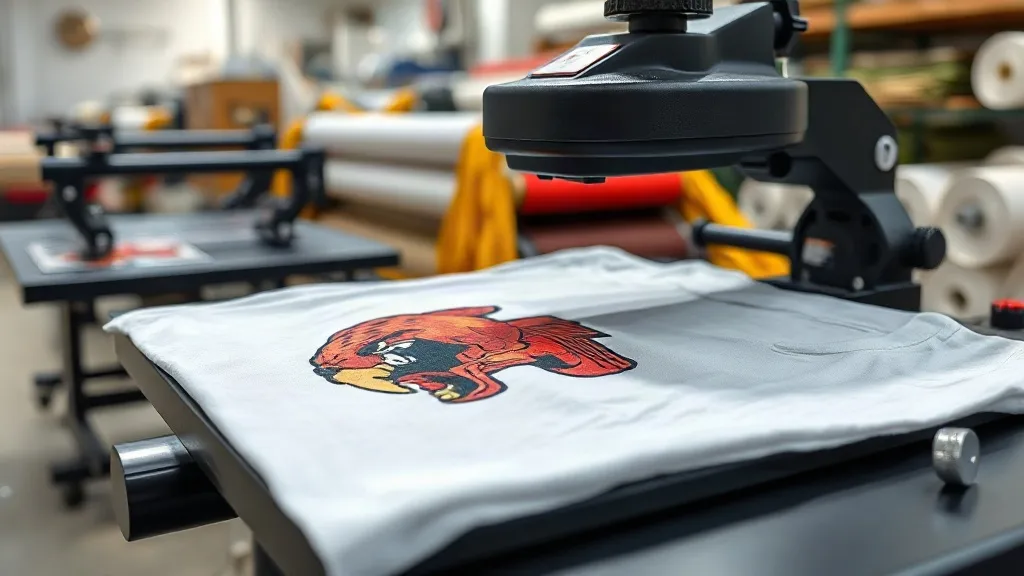
Imagine pressing a button and watching a full-color design come to life on a cotton t-shirt, a polyester jersey, or even a canvas tote. That's the magic of dtf printing, a technology that has taken the custom apparel world by storm. Unlike traditional methods that limit you to certain fabrics or require minimum orders, DTF opens up a new realm of possibilities for creators, small businesses, and hobbyists alike. In this guide, we'll dive deep into what DTF transfers are, why they're gaining popularity, and how you can use them to produce stunning, long-lasting prints.
What Are DTF Transfers?
DTF stands for Direct to Film. It's a printing process where your design is printed onto a special film, coated with a powder adhesive, and then heat-pressed onto the fabric. The result is a vibrant, flexible print that adheres to a wide range of materials, including cotton, polyester, blends, and even leather. DTF transfers are the pre-printed sheets you can purchase or create yourself, ready to be applied with a heat press. This method has quickly become a favorite because it eliminates the need for weeding, layering, or specialty papers. Whether you're printing a single shirt or a hundred, DTF delivers consistent, high-quality results.
How DTF Transfers Work: Step by Step
Understanding the process helps you appreciate the technology and troubleshoot issues. Here's a breakdown of the steps involved in creating and applying DTF transfers:
- Design Preparation: Your artwork is prepared in a graphics program, ensuring it's mirrored and sized appropriately. The design is then printed onto a PET film using specialized DTF inks.
- Powder Application: While the ink is still wet, a thermoplastic powder is sprinkled over the film. The powder sticks to the ink and is then shaken off, leaving a thin layer on the design.
- Curing: The film passes through a heat source (like a conveyor oven) to melt the powder, creating a adhesive layer that will bond with the fabric.
- Transfer: The cured film is placed on the garment and pressed with a heat press at a specific temperature and pressure for a set time.
- Peeling: After pressing, the film is peeled away (hot or cold peel, depending on the film type), leaving the design permanently bonded to the fabric.
Each step is crucial for a successful transfer, but the beauty of DTF is that once you have the transfers, application is quick and straightforward.
Why Choose DTF Transfers Over Other Methods?
DTF has several advantages that make it stand out from vinyl, screen printing, and DTG. Let's explore the key benefits.
Unmatched Versatility
One of the biggest draws is that DTF works on almost any fabric. You're not limited to 100% cotton like with DTG, or to simple shapes like with vinyl. Polyester, nylon, leather, and even treated wood can receive a DTF transfer. This means you can print on performance wear, denim jackets, and more without worrying about adhesion or color bleeding.
Vibrant Colors and Fine Details
DTF printers use CMYK plus white ink, allowing for bright, opaque colors even on dark garments. The white ink acts as a base, so your design pops without the need for a separate white underlayer. Fine lines, gradients, and photographic images reproduce beautifully, making DTF ideal for complex artwork.
Durability and Washability
When applied correctly, DTF transfers are extremely durable. They stretch with the fabric without cracking and withstand repeated washing. Many users report that their DTF-printed shirts last as long as the garment itself. This longevity makes DTF a cost-effective choice for items that need to endure regular wear.
No Minimum Orders and Low Startup Costs
Unlike screen printing, which requires separate screens for each color and can be expensive for small runs, DTF is economical for one-off designs. You can print a single transfer or hundreds, with no setup fees. This accessibility has empowered small businesses and individuals to offer custom apparel without a huge investment.
Applications of DTF Transfers
The versatility of DTF means it's used in a wide array of products. Here are some common applications:
- Custom T-shirts: The most popular use, from team uniforms to personalized gifts.
- Sportswear: Jerseys, leggings, and jackets benefit from DTF's stretchability and durability.
- Bags and Accessories: Tote bags, backpacks, and hats can be decorated with DTF transfers.
- Home Decor: Pillows, quilt covers, and even canvas prints can feature DTF designs.
- Promotional Items: Small businesses use DTF for branded merchandise like aprons and polo shirts.
If you can heat-press it, you can probably DTF it.
Tips for Perfect DTF Transfers
To get the best results, follow these practical tips:
- Choose the Right Film: Not all DTF films are created equal. Some are designed for hot peel, others for cold peel. Match the film to your workflow.
- Control Moisture: Pre-press your garment to remove moisture, which can cause adhesion issues.
- Use Consistent Pressure: A heat press with even pressure ensures the transfer adheres uniformly.
- Follow Temperature Guidelines: Each film and powder has specific temperature and time settings. Always test before a full production run.
- Store Transfers Properly: Keep unused transfers in a cool, dry place away from direct sunlight to prevent premature curing.
These small details make a big difference in the final quality.
Common Mistakes to Avoid
Even seasoned printers run into issues. Here are pitfalls to watch out for:
- Insufficient Pressure: Leads to poor adhesion and early peeling.
- Wrong Temperature: Too hot can burn the film or scorch the fabric; too cool means the adhesive won't activate.
- Peeling Too Soon or Too Late: Follow the film's instructions for hot or cold peel to avoid design distortion.
- Using Expired Powder: Old powder may not melt properly, resulting in a dull or incomplete transfer.
- Ignoring Fabric Type: While DTF is versatile, some fabrics like certain nylons may require a special pretreatment or lower temperature.
By being mindful of these, you'll save time and materials.
DTF vs. Other Printing Methods: A Quick Comparison
How does DTF stack up against DTG, screen printing, and vinyl?
- DTG: Best for 100% cotton, DTG offers soft prints but requires pretreatment and can be slow. DTF works on more fabrics and often has more vibrant colors on dark shirts.
- Screen Printing: Cost-effective for large orders of simple designs, but setup costs are high for multi-color jobs. DTF excels for small batches and complex art.
- Vinyl: Great for simple shapes and text, but layering multiple colors is time-consuming. DTF handles full-color designs in one press.
Each method has its place, but DTF's flexibility makes it a strong contender for many projects.
Frequently Asked Questions About DTF Transfers
How long do DTF transfers last on a shirt?
With proper application and care, DTF transfers can last for years. They withstand dozens of washes without fading or cracking. To maximize longevity, wash the garment inside out in cold water and avoid harsh detergents or high heat in the dryer.
Can I use DTF transfers on dark and light fabrics?
Absolutely. DTF transfers include a white ink base that makes colors opaque, so they show up brilliantly on both dark and light materials. This is a major advantage over DTG, which may require a white underbase for dark shirts.
Do I need a special printer to make DTF transfers?
Yes, you need a DTF printer that uses DTF inks and can print on PET film. However, you can also buy pre-made DTF transfers from suppliers if you don't want to invest in a printer. For those looking to start, purchasing transfers is a cost-effective way to test the waters.
What is the best temperature for pressing DTF transfers?
Most DTF transfers require a temperature between 300°F and 325°F (150°C to 160°C) with medium to heavy pressure for 10-15 seconds. Always check the instructions provided with your specific film and powder, as they can vary.
Can I stretch DTF transfers without cracking?
Yes, one of the benefits of DTF is its elasticity. The transfers stretch with the fabric, making them suitable for athletic wear and other garments that need to move. However, excessive stretching beyond the fabric's limit can still cause damage, so handle with care.
Getting Started with DTF Transfers
If you're ready to explore DTF, start by experimenting with a small heat press and a few pre-made transfers. There are many online communities and resources where you can learn from others' experiences. As you grow, you might invest in a DTF printer and supplies to create your own transfers. The key is to practice and refine your technique. With its combination of versatility, durability, and vibrant output, DTF is a game-changer for anyone in the custom apparel business. So why not give it a try? Your next masterpiece is just a press away.