
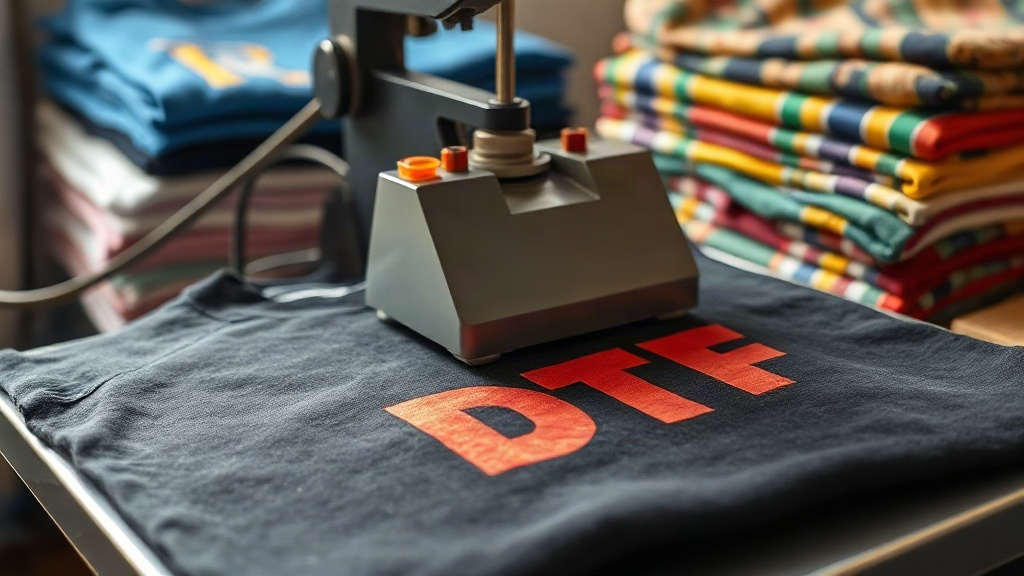
When you think of DTF printing, you might picture vibrant designs on polyester blends, but what about cotton? Many printers assume DTF is off-limits for 100% cotton, yet with the right approach, it can work beautifully. In this article, we'll explore the realities of DTF printing on cotton, from fabric preparation to transfer techniques, and help you avoid common mistakes that lead to cracking or fading.
Why DTF on Cotton Is Different
DTF printing uses a special film coated with a thermoplastic adhesive. When heat-pressed, the adhesive melts and bonds to the fabric. On polyester, the bond is strong because the adhesive penetrates the fibers. Cotton, however, is more absorbent and has a rougher surface, which can make adhesion tricky. The key is understanding that cotton requires a different touch: more pressure, precise temperature, and sometimes a pre-treatment.
The Role of Fabric Weave and Finish
Not all cotton is created equal. A tight weave like poplin behaves differently than a loose knit like jersey. Loosely woven fabrics allow the adhesive to sink in, potentially causing the transfer to feel stiff or peel. Also, cotton often has finishes like softeners or mercerization that can interfere with adhesion. Always test on a swatch before a full production run.
Step-by-Step: DTF Printing on Cotton
Here's a reliable process that yields durable results on cotton garments.
1. Choose the Right DTF Film and Powder
Not all DTF supplies are equal. For cotton, opt for a film with a thicker adhesive layer and a fine-particle hot-melt powder. This combination creates a stronger bond. Some printers use a double-powder technique: apply a fine layer, shake off excess, then apply a second layer for extra durability.
2. Pre-Press the Garment
Cotton holds moisture, which can turn to steam during pressing and ruin the transfer. Pre-press the shirt for 5-10 seconds at 330°F (165°C) to remove wrinkles and moisture. This step is non-negotiable for consistent results.
3. Set Your Heat Press Correctly
Temperature, pressure, and time are critical. For cotton, use:
- Temperature: 330-350°F (165-175°C)
- Pressure: Medium to high (40-60 PSI)
- Time: 15-20 seconds
Too little pressure and the adhesive won't penetrate; too much and the design can spread or scorch. Always use a teflon sheet or parchment paper to protect the transfer.
4. Peel with Care
After pressing, wait a few seconds, then peel the film while it's still warm. If you wait too long, the adhesive cools and may pull up fibers, leading to a rough texture. For best results, peel in one smooth motion at a low angle.
5. Post-Press for Extra Durability
For cotton, a second press (without the film) for 5-10 seconds can improve washability. This step re-melts the adhesive, helping it bond deeper into the fibers.
Common Challenges and Solutions
Even with the right technique, you might encounter issues. Here's how to troubleshoot.
Cracking or Peeling
If your transfer cracks after washing, it's likely due to insufficient pressure or under-curing. Increase pressure and ensure the powder is fully melted. Also, check that your powder is suitable for cotton; some low-quality powders are designed for polyester only.
Stiff Hand Feel
Cotton already has a soft hand, but a thick DTF transfer can make it rigid. To minimize this, use a thinner film and less powder. Also, avoid over-pressing, which can flatten the adhesive into a plastic-like layer.
Color Fading
Cotton is more prone to fading because dyes in the fabric can migrate into the transfer. Use a high-quality DTF ink with good color fastness, and wash the garment inside out in cold water. Avoid bleach and harsh detergents.
Best Practices for Long-Lasting Results
Follow these tips to ensure your DTF prints on cotton stand the test of time.
- Always test with a sample garment before full production.
- Store DTF transfers in a cool, dry place away from direct sunlight.
- Wash garments inside out in cold water and tumble dry low.
- Wait 24 hours after pressing before washing to allow the adhesive to fully cure.
- Use a commercial-grade heat press, not an iron, for consistent pressure.
Frequently Asked Questions
Can you DTF print on 100% cotton?
Yes, but it requires more attention than polyester. With the right film, powder, and pressing parameters, you can achieve durable results. Pre-pressing the garment and using higher pressure are key.
How do you wash DTF printed cotton shirts?
Turn the shirt inside out and wash in cold water with mild detergent. Avoid fabric softeners and bleach. Tumble dry on low or hang dry. Following these steps will extend the life of your print.
Why does my DTF transfer peel off cotton?
Peeling usually happens due to insufficient pressure, incorrect temperature, or under-curing. Ensure your heat press is calibrated and apply consistent pressure. Also, check that the powder is fully melted before peeling.
What is the best DTF powder for cotton?
Look for a fine-grain, low-melt powder specifically formulated for cotton blends. Some brands offer cotton-specific powders that provide better adhesion. Avoid cheap powders that may not bond well.
Can I use DTF on dark cotton shirts?
Absolutely. DTF transfers are opaque, so they show up well on dark fabrics. Just ensure you use a white underbase layer if your design has light colors. Most DTF films come with a white layer already.
With practice and the right supplies, DTF printing on cotton can become a profitable addition to your business. Don't be afraid to experiment and find the settings that work best for your specific cotton garments.