
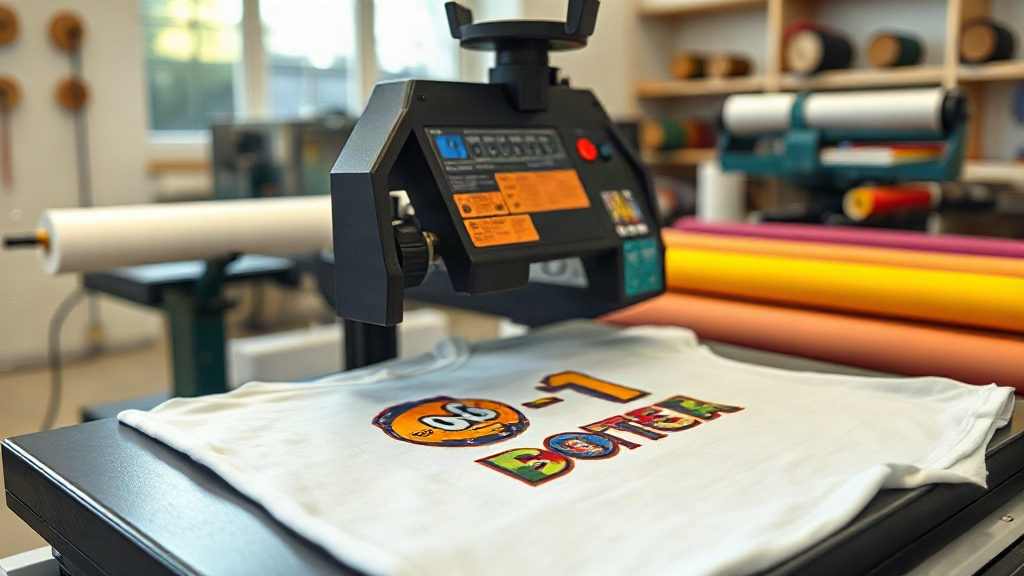
If you're in the custom apparel business, you've likely heard about DTF Transfers. This innovative printing method is rapidly gaining popularity for its versatility and vibrant results. Unlike traditional heat transfer vinyl (HTV) or screen printing, DTF transfers allow you to print full-color designs on a wide range of fabrics without the need for weeding or multiple screens. In this guide, we'll dive deep into what DTF transfers are, how they work, and how you can use them to elevate your custom apparel game.
What Are DTF Transfers?
DTF stands for Direct to Film. It's a printing technology where your design is printed onto a special PET film using water-based pigments. After printing, a hot melt adhesive powder is applied to the wet ink, and the film is cured. The result is a transfer that can be heat-pressed onto various fabrics, including cotton, polyester, blends, and even leather. The key advantage is that the design is printed in full color with fine detail, and the adhesive ensures strong bonding to the fabric.
The DTF Printing Process
The process involves several steps: designing your artwork, printing it onto the film with a DTF printer, applying adhesive powder, curing the powder, and then heat-pressing the transfer onto the garment. Each step requires attention to detail to ensure a high-quality, durable print. For example, the powder must be applied evenly while the ink is still wet, and curing must be done at the right temperature to activate the adhesive without damaging the film.
Why Choose DTF Transfers Over Other Methods?
DTF transfers offer several compelling benefits that make them a top choice for both small businesses and large-scale operations.
- No Weeding Required: Unlike HTV, you don't need to cut and weed intricate designs. This saves hours of labor, especially for complex artwork.
- Full-Color Printing: DTF printers use CMYK plus white ink, allowing for vibrant, photographic-quality prints with gradients and fine details.
- Versatile Fabric Compatibility: Works on cotton, polyester, nylon, leather, and more. No need to pre-treat garments.
- Durability: When applied correctly, DTF transfers withstand repeated washing without cracking or fading.
- Cost-Effective for Short Runs: No setup costs like screen printing, making it ideal for small batches and personalized items.
How to Apply DTF Transfers
Applying DTF transfers is straightforward, but following the correct steps ensures a professional finish. Here's a step-by-step guide.
Steps for Heat Press Application
- Preheat the Heat Press: Set your heat press to 325°F (160°C) for cotton, or 300°F (150°C) for polyester. Preheat for about 15 seconds to remove moisture from the fabric.
- Position the Transfer: Place the DTF transfer on the garment with the printed side facing up. The adhesive side should be against the fabric.
- Press: Apply medium to firm pressure for 15-20 seconds. Use a Teflon sheet or parchment paper over the transfer to protect it.
- Peel: Remove the film while it's still hot (hot peel) or let it cool completely (cold peel), depending on the film type. Most DTF transfers are hot peel.
- Post-Press (Optional): For extra durability, cover with parchment and press again for 5-10 seconds.
Always test on a scrap fabric first to dial in your press settings, as different fabrics and transfer brands may require slight adjustments.
Common Challenges and How to Avoid Them
Even though DTF is user-friendly, issues can arise. Here are some common problems and solutions.
Insufficient Adhesion
If the transfer peels off after washing, it's likely due to insufficient pressure, incorrect temperature, or not enough powder. Ensure your heat press is calibrated and apply firm pressure. Also, check that the adhesive powder is evenly applied and fully cured.
Color Fading or Cracking
This can happen if the transfer is over-pressed or washed in hot water. Use a lower temperature for polyester and always wash garments inside out in cold water. Avoid fabric softeners, which can break down the adhesive.
Film Sticking to the Press
If the film sticks, it might be due to excessive heat or pressure. Reduce temperature slightly and use a Teflon sheet. Also, ensure the transfer is not left on the press for too long after pressing.
DTF Transfers vs. Other Printing Methods
How does DTF stack up against screen printing, DTG, and sublimation?
- Screen Printing: Better for large orders with few colors; DTF wins for complex, multi-color designs and small runs.
- DTG (Direct to Garment): DTG requires pre-treatment and works best on 100% cotton; DTF works on more fabrics and often has better durability.
- Sublimation: Only works on polyester and light-colored fabrics; DTF can be used on any color and fabric type.
Each method has its place, but DTF offers a unique combination of versatility and quality that is hard to beat.
Tips for Getting the Best Results with DTF Transfers
To ensure your DTF transfers look professional and last long, follow these best practices:
- Store transfers in a cool, dry place away from direct sunlight.
- Use a quality heat press with accurate temperature and pressure settings.
- Always pre-press the garment to remove wrinkles and moisture.
- For dark fabrics, use transfers with a white ink base to make colors pop.
- Wash garments inside out in cold water and tumble dry low.
Frequently Asked Questions
How long do DTF transfers last?
With proper application and care, DTF transfers can last as long as the garment itself. They are known for their durability, often outlasting vinyl and sometimes even screen prints. Washing inside out in cold water and avoiding harsh chemicals will extend their life.
Can I use DTF transfers on polyester?
Yes, DTF transfers work well on polyester. However, polyester requires a lower pressing temperature (around 300°F) to prevent the fabric from scorching or the transfer from over-melting. Always test first.
Do I need a special printer for DTF?
Yes, you need a DTF printer that uses DTF inks and can handle the film. These printers are available from various brands, and some are modified Epson or Ricoh printers. Alternatively, you can outsource your printing to a DTF transfer service.
What is the difference between hot peel and cold peel DTF transfers?
Hot peel transfers are removed immediately after pressing while still hot, while cold peel transfers must cool completely before peeling. Hot peel is more common and faster, but cold peel can sometimes provide a smoother finish. Always follow the manufacturer's instructions.
Can I layer DTF transfers?
Yes, you can layer DTF transfers, but it's best to press each layer separately. Press the first transfer, peel, then place the second transfer and press again. This ensures proper adhesion and prevents misalignment.
Conclusion
DTF Transfers are a game-changer for custom apparel. They offer unparalleled versatility, vibrant colors, and durability, making them suitable for a wide range of projects. Whether you're a small business owner or a DIY enthusiast, mastering DTF transfers can open up new creative possibilities. By following the tips and techniques outlined in this guide, you'll be well on your way to producing professional-quality garments that impress your customers and stand the test of time.