
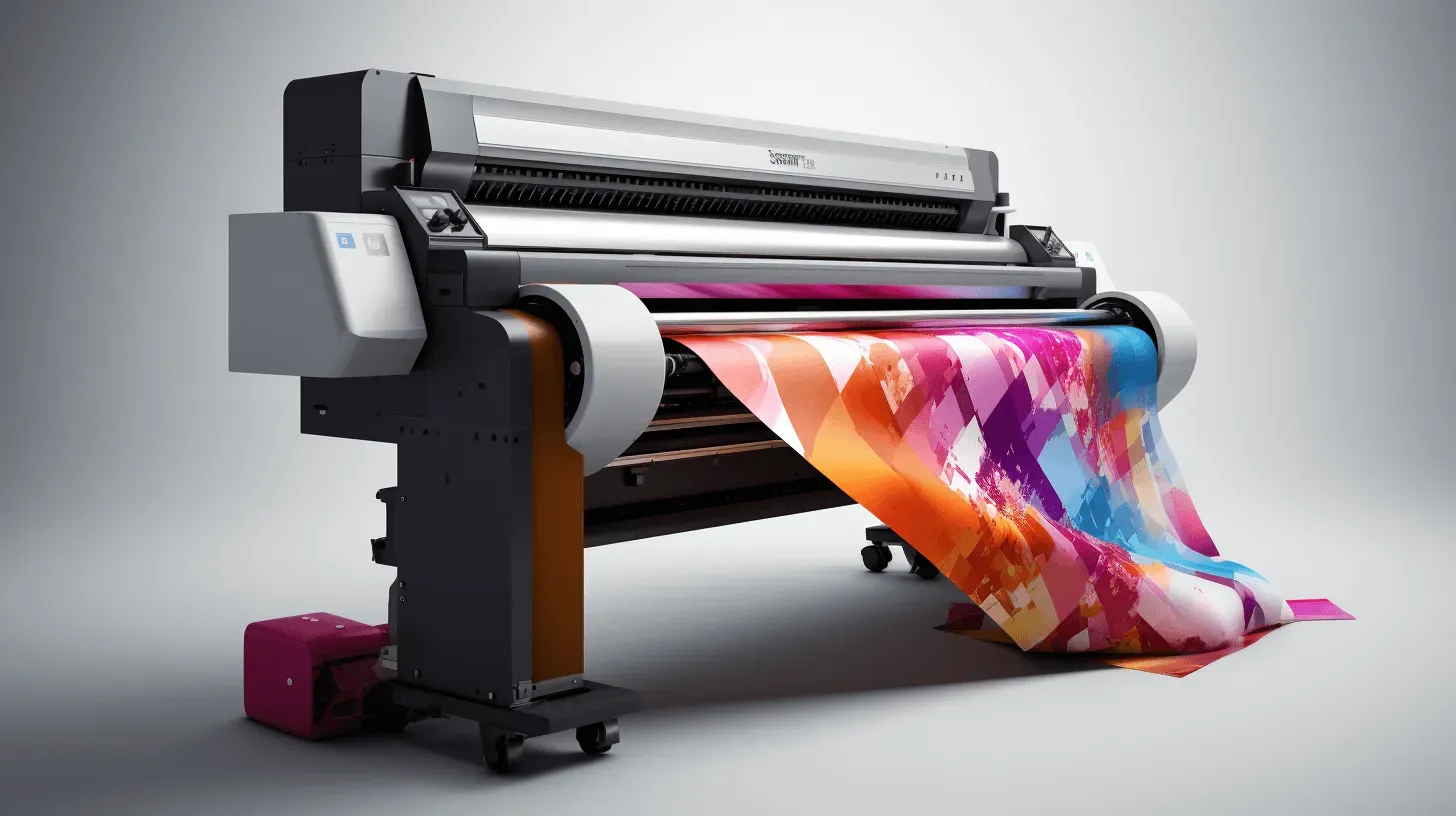
DTF printing, short for Direct to Film printing, has revolutionized the world of textile printing, offering a unique blend of versatility and ease of use. This innovative technique allows designers to print stunning, vibrant images onto specialized transfer films that are then heat transferred onto various fabrics, making it a top choice for customized apparel. In this digital age, DTF printing techniques have gained popularity among small businesses and hobbyists alike, providing an efficient solution for high-quality designs. Whether you're new to printing or a seasoned professional, understanding essential DTF printing tips and the required DTF printing equipment can dramatically enhance your projects. Join us as we explore the intricacies of DTF printing and share valuable insights that will help you achieve success in your textile printing endeavors.
The Direct to Film printing process, sometimes referred to as film transfer printing, is transforming how apparel is customized and produced. This advanced printing method creates a direct link between design and fabric, enabling a wide range of creative possibilities for personalized garments. Utilizing film transfer techniques allows for intricate details and vibrant colors that traditional printing methods may struggle to replicate. As the demand for bespoke clothing continues to rise, understanding the nuances of film transfer printing becomes increasingly vital for businesses looking to stand out. In this exploration, we will delve into the essentials of successful film transfer printing, from the necessary tools to effective application methods.
Exploring the Advantages of DTF Printing
DTF printing stands out due to its unique advantages that enhance both creativity and productivity in textile printing. One key benefit is its ability to produce intricate designs with vibrant colors on various fabric types. Unlike traditional methods, DTF printing allows for more flexibility in creating customized apparel, catering to the increasing demand for personalized fashion. The prints are durable and maintain their vividness even after multiple washes, ensuring that customers receive high-quality, long-lasting products.
Moreover, DTF printing streamlines the production process for businesses. The workflow is relatively straightforward—images are printed onto film and then transferred to fabric through heat application. This direct method eliminates several stages of production, reducing time and potential errors that can occur in more complicated processes. Additionally, because DTF technology accommodates a range of fabrics including cotton and polyester blends, it presents an extensive canvas for designers, further empowering them to innovate.
Essential DTF Printing Equipment You Need
To embark on your DTF printing journey, having the right equipment is crucial. The primary component, the DTF printer, is designed specifically for this technique and plays a foundational role in the quality of prints produced. Brands like Epson have advanced their technology to deliver superior color accuracy and efficiency, making their printers a preferred choice among professionals. With the right DTF printer, users can achieve crisp designs and striking color profiles that elevate their custom apparel.
In addition to the printer, a reliable heat press is indispensable for ensuring the proper adherence of prints to fabric. The heat press applies the necessary temperature and pressure, pivotal for successful transfer results. Furthermore, selecting the right transfer film is essential; different types yield varying outcomes, impacting the final look of the apparel. Understanding and investing in this critical equipment will provide a solid foundation for anyone serious about DTF printing.
Understanding Inks Used in DTF Printing
The quality of ink used in DTF printing greatly influences the outcome of the final product. DTF printing typically utilizes water-based inks known for their excellent adhesion properties and vibrant color output. These inks are specifically formulated to bond well with various fabrics, helping to produce prints that not only pop visually but also resist fading over time. Using premium inks is imperative; when inferior products are chosen, the risk of issues such as fading and peeling rises significantly.
Additionally, the choice of ink can affect the printing process itself. High-quality inks often flow better through the printer, reducing clogs and other maintenance issues. When the inks are optimized for the material being printed on, the overall efficiency of the printing operation improves, leading to higher customer satisfaction. By prioritizing the selection of inks, printers can enhance their work's durability and visual appeal, which are critical factors in the competitive custom apparel market.
Techniques for Successful DTF Application
Mastering the application techniques for DTF printing plays a vital role in ensuring successful transfer results. The process begins with printing the chosen design onto the transfer film, where precise printer settings tailored for the film are necessary. This setup directly affects how the colors will appear once transferred. After printing, the next step is to apply a powder adhesive while the ink is still moist; this step is crucial as it ensures the print adheres to the fabric securely during the heat pressing phase.
Finally, executing the heat transfer itself requires careful attention to both temperature and pressure settings. Each fabric type may demand a unique combination of these parameters, which means taking the time to understand the material is critical. Proper technique during this phase not only minimizes issues such as ink adhesion failures but also ensures that the print maintains its integrity and vibrancy over time, a key aspect of producing high-quality customized apparel.
Addressing Common DTF Printing Challenges
Despite its many advantages, DTF printing can come with its own set of challenges. For instance, ink adhesion issues may arise if the fabric surface isn't prepared correctly, or the powder adhesive application is insufficient. Therefore, it’s crucial to ensure that all fabric surfaces are clean and that the appropriate prep work is consistently applied. This attention to detail will significantly reduce the likelihood of failures and enhance the overall quality of prints.
Another common challenge includes the potential for peeling, often caused by incorrect heat settings or inadequate cooling periods. To mitigate these risks, it is essential to adhere strictly to recommended temperature settings and allow the print to cool properly before handling. Establishing a routine maintenance schedule for equipment, such as regularly cleaning the heat press and ensuring the DTF printer operates optimally, can further enhance reliability and minimize complications.
Staying Ahead: Current Trends in DTF Printing
The DTF printing market is witnessing rapid growth, fueled by an increasing demand for unique and customized apparel. As small businesses and entrepreneurs embrace this technology, they are better equipped to deliver personalized products that resonate with customers. This trend highlights the importance of staying current with the latest advancements in DTF equipment and techniques to ensure competitive advantage in the industry.
Companies must also explore innovative design possibilities enabled by DTF printing, such as complex graphics and multi-colored prints that appeal to modern consumers. Engaging with industry forums and trade shows can provide valuable insights into emerging trends and technologies. Keeping abreast of such developments will not only enhance operational efficiency but also inspire creative approaches to DTF printing, ensuring sustained growth in a fluctuating market.
Frequently Asked Questions
What is DTF printing and how does it differ from other printing methods?
DTF printing, or Direct to Film printing, is a modern textile printing technique that involves printing images onto a special transfer film, which is then heat-transferred to various fabric types. Unlike traditional methods such as screen printing, DTF printing allows for vibrant colors and detailed designs to be applied to a wide range of materials, making it an excellent choice for customized apparel.
What equipment is necessary for successful DTF printing?
To succeed in DTF printing, you will need key equipment including a high-quality DTF printer, a reliable heat press, and suitable transfer film. The printer is responsible for producing the prints with excellent color accuracy, while the heat press is essential for transferring the design onto the fabric securely.
What are some essential DTF printing tips for beginners?
Beginner tips for successful DTF printing include ensuring proper printer settings for the transfer film, using high-quality inks for better adhesion and color vibrancy, and experimenting with heat and pressure settings to achieve optimal results. Documenting successful print settings can help maintain consistency across projects.
What types of inks are used in DTF printing?
DTF printing utilizes water-based inks that are specially designed for adhesion to various fabric types. It's crucial to select high-quality inks to prevent issues like fading and peeling, ensuring that your vibrant prints maintain their appearance over time.
What challenges might one face with DTF printing and how can they be resolved?
Common challenges in DTF printing include ink adhesion issues, peeling, and color fading. To mitigate these problems, ensure that surfaces are clean and properly prepped, use the recommended heat and pressure settings, and invest in quality inks and materials to enhance durability and appearance.
How is DTF printing positioned in the current market for customized apparel?
The DTF printing market is experiencing significant growth driven by consumer demand for customized apparel and unique designs. Small businesses benefit from advancements in printer technology, making DTF printing an accessible and profitable option for creating high-quality, personalized products.
| Key Point | Details |
|---|---|
| What is DTF Printing? | A modern textile printing method where images are printed onto a transfer film and heat-transferred onto fabric surfaces. |
| Equipment Needed | DTF Printer, Heat Press, and Transfer Film are essential for effective printing. |
| Inks Used | Water-based inks ensure vibrant colors and a long-lasting finish; high-quality inks are crucial. |
| Application Techniques | Print on transfer film, apply powder adhesive, and heat press the design onto fabric. |
| Common Challenges | Ink adhesion issues, peeling, and fading; regular maintenance and quality materials are key. |
| Market Trends | Growing demand for customized apparel; small businesses can leverage DTF technology. |
| Best Practices | Experiment with settings, document processes, and stay informed on recent innovations. |
Summary
DTF printing is a transformative technique that allows for high-quality textile prints with remarkable ease. It integrates advanced technology and essential practices that empower businesses to meet the growing demand for custom apparel. By understanding the mechanics of DTF printing, including the necessary equipment, types of inks, and effective application techniques, printers can achieve stunning results while overcoming common challenges. Overall, DTF printing represents a promising direction for those seeking to innovate and excel within the textile printing industry.