
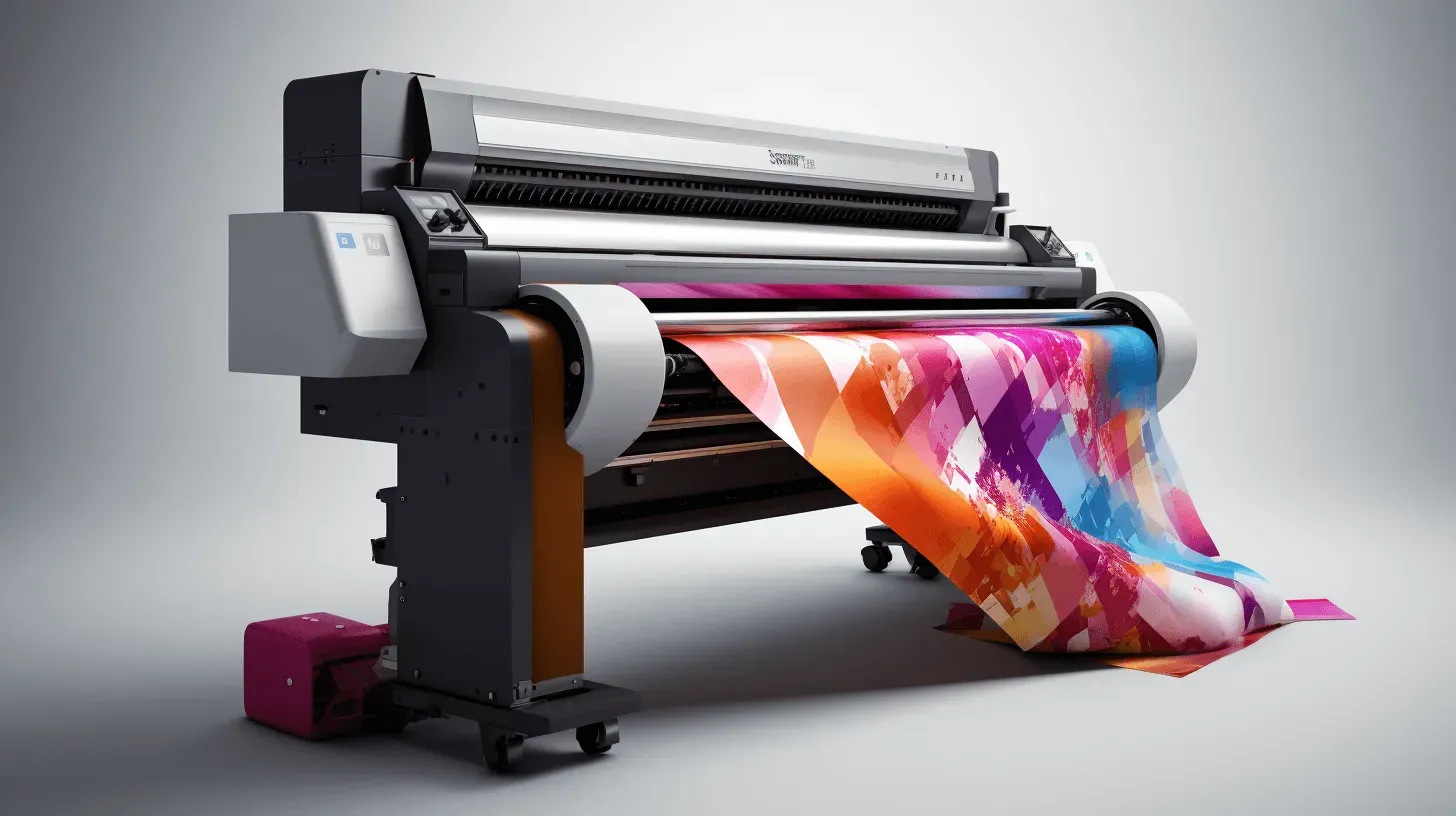
DTF printing, or Direct-to-Film printing, is revolutionizing the way businesses approach garment decoration and custom designs. This innovative printing technology leverages advanced processes to create vibrant, high-quality images on a variety of fabrics, quickly establishing itself as a favorite within the printing industry. The increasing demand for efficient and versatile solutions has led to the rise of DTF supplies, fostering a new era of cost-effective printing that appeals to small businesses and large manufacturers alike. Furthermore, DTF technology is paving the way for eco-friendly practices, ensuring that sustainability aligns seamlessly with quality output. As we delve into the transformative impact of DTF printing, it’s clear that its trends signify a promising future in the world of custom apparel and beyond.
Direct-to-Film printing technology, often referred to as DTF, exemplifies a significant advancement in the field of textile decoration. By employing a method that transfers designs through specialized films, this printing technique distinguishes itself from traditional options like screen printing and direct-to-garment (DTG) solutions. The adoption of such innovative practices reflects ongoing printing industry trends that prioritize efficiency, quality, and environmental responsibility. With a focus on affordable and sustainable methods, DTF represents a contemporary approach to meet the diverse demands of consumers and businesses alike. As we explore further, it becomes evident that DTF is not merely a trend, but a crucial component in shaping the future of fabric printing.
Understanding DTF Printing Technology
Direct-to-Film (DTF) printing technology represents a significant departure from traditional printing methods. This innovative process involves printing designs directly onto a special film, which is then heat-pressed onto the fabric. The technology allows for vibrant colors and intricate details, crucial for custom garment decoration. Moreover, DTF printing has opened the door for new creative possibilities, accommodating both small and large production runs, which attracts businesses looking for flexibility and quality in their printing solutions.
As the DTF technology continues to evolve, its capabilities extend beyond mere aesthetics. The efficiency of DTF printers has improved considerably, with the latest models capable of producing high-resolution prints at faster speeds. This enhanced output not only leads to quicker order fulfillment but also helps reduce waste materials compared to traditional printing methods. As a result, the printing industry is witnessing a paradigm shift as businesses increasingly adopt DTF technology for its efficiency and sustainability.
The Role of DTF Supplies in Printing Industries
DTF supplies play a crucial role in the growing adoption of this innovative printing method across the apparel industry. These supplies include specialized inks, films, and heat transfer adhesives that work together to produce high-quality prints. The availability of affordable and reliable DTF supplies makes it easier for businesses—especially small and medium-sized enterprises—to enter the market without the financial concerns associated with more traditional methods like Direct-to-Garment (DTG) printing.
Furthermore, DTF supplies are designed to cater to a wide range of fabric types, making them versatile for various applications. From polyester sportswear to cotton T-shirts, DTF printing can handle multiple substrates effectively. This versatility empowers businesses to diversify their product offerings, which is essential in a competitive market that demands innovation and adaptability.
Exploring Cost-Effectiveness of DTF Printing
One of the most compelling features of DTF printing is its cost-effectiveness. Compared to traditional printing methods, businesses can save significantly on setup costs, especially when producing larger runs of garments. DTF printing eliminates the need for expensive pre-treatment processes that are often associated with DTG printing, lowering the financial barrier for entry into the custom apparel market.
In addition to lower initial costs, the reduced ink consumption and faster production times contribute to the overall cost efficiency of DTF printing. By minimizing waste and optimizing resource usage, companies can maintain healthy profit margins even while providing high-quality products to their customers. This financial advantage positions DTF printing as an attractive option for entrepreneurs looking to maximize returns on investment in a competitive landscape.
Sustainability and Eco-Friendly Practices in DTF
As societal concern for environmental issues continues to rise, the demand for eco-friendly printing practices has become a priority. DTF printing technology inherently supports more sustainable operations by using water-based inks that are less harmful than the solvent-based inks common in traditional screen printing. This advantage resonates with environmentally-conscious consumers and businesses alike, creating a competitive edge for those who prioritize sustainability.
Moreover, the efficient use of materials in the DTF process reduces waste significantly, aligning with the growing trend of minimizing environmental footprints. As more companies embrace environmentally sustainable practices, the ability to market DTF printing as an eco-friendly alternative positions businesses favorably within the industry. This shift not only benefits the planet but also meets consumer expectations for sustainability in the products they purchase.
Current Trends Shaping the DTF Printing Market
The DTF printing market is on the brink of substantial growth, driven by trends that prioritize customization, speed, and quality. As consumer preferences shift towards personalized products, businesses utilizing DTF technology are well-poised to meet these demands with quick turnaround times and the ability to produce intricate designs on a variety of fabrics. This adaptability is pivotal for companies looking to stay ahead in an ever-evolving market.
With continuous advancements in printing technology, the DTF sector is expected to witness increased investment and innovation. Analysts predict that the integration of artificial intelligence and automation will further streamline DTF production, enhancing its capabilities and affordability. Such trends signify a promising future for DTF printing, making it a vital area of focus for businesses looking to thrive in the printing industry.
Building Community Around DTF Printing
An active community has emerged around DTF printing, fostering a culture of innovation and collaboration. With numerous online forums and social media groups dedicated to sharing best practices, tips, and techniques, DTF enthusiasts are motivated to learn from each other’s experiences. This supportive environment encourages experimentation and creative exploration, essential for those looking to master the DTF printing process.
Additionally, as more businesses adopt DTF technology, the community's growth is likely to enhance the quality of resources and support available, encompassing everything from technical troubleshooting to marketing strategies. Engaging in this community allows companies to stay informed about the latest trends and developments within the DTF printing landscape, ultimately benefiting their operations and increasing their chances of success in a competitive marketplace.
Frequently Asked Questions
What is DTF printing and how does it work?
DTF printing, or Direct-to-Film printing, is a modern printing method that transfers designs onto fabrics using a special transfer film. This involves printing an image onto a film, applying an adhesive powder, and then heat pressing the film onto the fabric, allowing for vibrant, high-quality prints that adhere well to various fabric types.
What are the advantages of using DTF supplies in the printing industry?
DTF supplies offer numerous advantages including cost-efficiency, versatility, and the ability to produce high-quality prints quickly. The technology allows for printing on a wide range of fabrics, including cotton and polyester blends, while also ensuring that prints are durable and resistant to fading, cracking, or peeling over time.
Are DTF printing processes environmentally friendly?
Yes, DTF printing is considered more environmentally friendly compared to traditional screen printing methods. DTF utilizes eco-friendly inks that comply with health and safety regulations, reducing the environmental impact associated with manufacturing processes. This focus on sustainability appeals to consumers seeking eco-friendly practices in the apparel industry.
How does DTF technology compare to other printing methods like DTG or screen printing?
DTF technology provides a combination of benefits that often surpass other methods like Direct-to-Garment (DTG) and screen printing. It offers lower setup costs, faster production speeds, and the ability to print on diverse fabrics without compromising quality, making it a more practical choice for businesses looking to meet evolving market demands.
What trends are emerging in the DTF printing market?
The DTF printing market is experiencing growth driven by increased demand for customizable prints and quick turnaround times. Analysts predict a significant expansion as businesses adopt DTF technology to stay competitive, particularly in the apparel and merchandise sectors, reflecting a shift toward on-demand printing capabilities.
What support resources are available for businesses using DTF printing?
There are extensive resources available for businesses utilizing DTF printing, including online communities, forums, and social media groups where users share tips, techniques, and experiences. This collaborative environment fosters innovation and continuous improvement in DTF technology, helping new entrepreneurs thrive in the printing industry.
| Key Point | Description |
|---|---|
| Technological Advancements | Modern DTF printers deliver high-quality prints quickly, enhancing productivity and reducing labor costs. |
| Versatility and Quality | DTF printing can be applied to various fabrics and produces durable prints that resist fading and peeling. |
| Cost Efficiency | Lower setup costs and reduced cost per print make DTF an attractive option for businesses, especially smaller ones. |
| Eco-Friendly Alternatives | DTF printing utilizes eco-friendlier inks, aligning with sustainable practices that are increasingly valued by consumers. |
| Market Trends | The DTF market is expected to grow significantly as customization and on-demand printing become more important. |
| Community and Online Support | A strong community around DTF promotes knowledge sharing and innovation, supporting newcomers in the field. |
Summary
DTF printing represents a revolutionary shift in the printing industry, offering numerous benefits that cater to the modern market's demands. With advancements in technology enhancing both efficiency and quality, businesses are increasingly turning to DTF supplies for apparel and custom garment decoration. The versatility of DTF printing allows for successful application across different fabric types, ensuring durability and satisfying consumer expectations. Moreover, the cost-effectiveness of DTF provides an advantageous option for businesses looking to thrive in a competitive landscape while incorporating eco-friendly practices into their operations. As the DTF community continues to grow, with robust support networks that encourage innovation, it's evident that DTF printing is not just a trend but a lasting solution in the future of customized printing.