
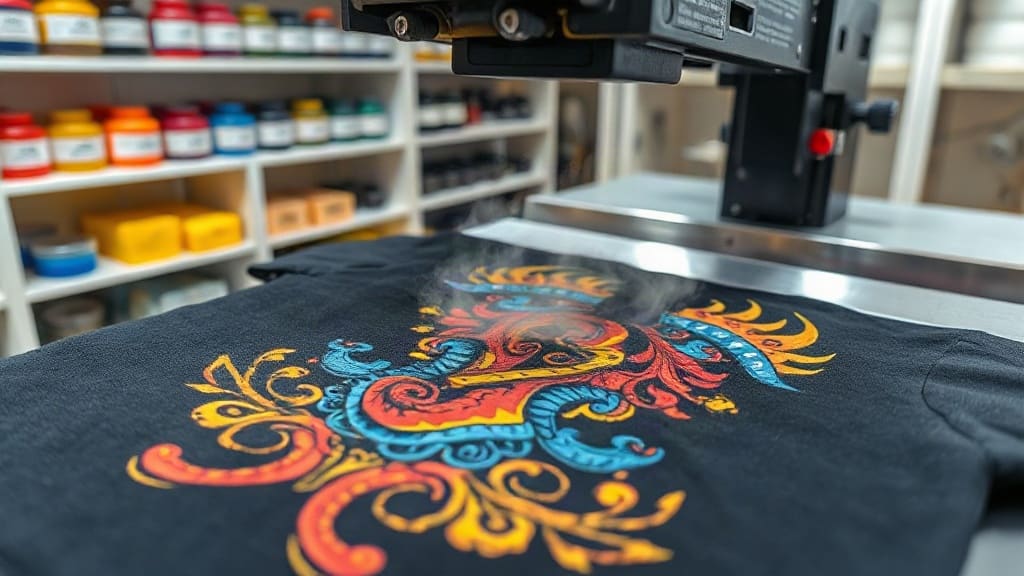
If you're in the custom apparel industry, you've likely heard about DTF transfers. This printing method has taken the market by storm, offering a versatile and cost-effective way to create vibrant designs on various fabrics. But what exactly are DTF transfers, and why are they becoming so popular? In this comprehensive guide, we'll dive deep into the world of DTF printing, covering the process, materials, equipment, and expert tips to help you produce high-quality prints that stand out.
What Are DTF Transfers?
DTF stands for Direct to Film. Unlike DTG (Direct to Garment) printing, where the design is printed directly onto the fabric, DTF involves printing the design onto a special PET film, then transferring it to the garment using a heat press and adhesive powder. This process offers several advantages, including the ability to print on a wide range of fabrics, from cotton to polyester to blends, and even on hard surfaces like wood and metal.
The DTF transfer process begins with a design created in graphic software. The design is printed in reverse onto the film using CMYK ink, followed by a white ink layer. Then, a hot-melt adhesive powder is applied to the wet ink, which binds the design to the film. After the powder is cured, the film is ready for transfer. The final step involves pressing the film onto the garment at a specific temperature and pressure, resulting in a durable, stretchy, and vibrant print.
The DTF Process Step by Step
Step 1: Design Creation
Your DTF journey starts with a well-prepared design. Use high-resolution images (at least 300 DPI) to ensure crispness. Keep in mind that DTF prints can handle complex, multi-colored designs, so don't shy away from gradients or fine details. Save your file in a format compatible with your printer software, such as PNG with transparent background.
Step 2: Printing on Film
You'll need a DTF printer, which is typically a modified Epson or similar inkjet printer equipped with pigment inks. The printer lays down the colored layers first, then a layer of white ink as a base for the design. This white layer is crucial for prints on dark garments, as it prevents the garment color from showing through. Use a dedicated DTF PET film that has a coating to hold the ink and allow proper release.
Step 3: Applying Adhesive Powder
Once the ink is printed, you must apply a hot-melt adhesive powder to the wet ink. You can do this manually using a shaker or use an automated powder shaker and curing machine. Ensure the powder covers the entire design, including thin lines and small text. Then, shake off the excess powder. The powder should stick only to the ink, not the film.
Step 4: Curing the Powder
After applying the powder, you need to melt it to activate its adhesive properties. This is done by passing the film through a heat tunnel or using a heat press with a low temperature. The powder will melt and form a smooth, sticky layer that will later bond with the garment. Proper curing ensures the transfer sticks well and withstands washing.
Step 5: Transferring to the Garment
Now comes the exciting part. Preheat your heat press to the recommended temperature (usually around 320°F to 350°F) and set the pressure according to your fabric type. Place the DTF film on the garment with the printed side facing up (or down? Actually, the film goes on the garment with the design facing the fabric). Press for a specific time, typically 10-15 seconds. Then, peel the film either hot or cold, depending on the manufacturer's instructions. For DTF, it's often recommended to peel cold to ensure the adhesive fully sets.
Essential Materials and Equipment
To produce professional-grade DTF transfers, you'll need the following:
- DTF Printer: A printer with a continuous ink system or refillable cartridges that can handle pigment inks and produce a white layer.
- PET Film: Especially designed for DTF, available in rolls or sheets. It has a coating that prevents ink bleeding and ensures proper release.
- DTF Inks: High-quality pigment inks, including CMYK and white. Water-based pigment inks are recommended for eco-friendliness and durability.
- Adhesive Powder: Hot-melt powder that comes in different particle sizes. Fine powder is better for detailed designs, while coarse powder is for thicker coatings.
- Heat Press: A good-quality heat press that provides even pressure and temperature. You can use a clamshell or swing-away model.
- Curing Oven or Heat Tunnel: Optional but useful for consistent curing of the powder.
Tips for Perfect Prints
Achieving flawless DTF transfers requires attention to detail. Here are some expert tips:
- Maintain the Right Temperature: Too low won't activate the adhesive, and too high can damage the film or fabric. Always follow the manufacturer's recommendations.
- Use a Teflon Sheet: Place a Teflon sheet or parchment paper between the heat press and the film to prevent sticking and ensure even heat distribution.
- Test on a Sample: Before full production, always test your settings on a sample garment to check color vibrancy, adhesion, and stretch.
- Handle with Care: When peeling the film, do it slowly and at the right time to avoid adhesive residue or tearing.
- Optimize Your Artwork: For designs with small text, adjust the white ink underbase to avoid bleeding. Use vector files when possible for scalability.
DTF vs. Other Transfer Methods
DTF vs. DTG
DTG printing is direct-to-garment, which works best on 100% cotton shirts. It's excellent for soft hand feel and detailed prints but requires a higher upfront investment and slower production. DTF, on the other hand, is faster, works on many fabrics, and yields a slightly thicker feel but with superior durability and stretch.
DTF vs. Vinyl (HTV)
Heat transfer vinyl is great for simple, single-color designs and is easy for beginners. However, it has a plasticky feel and can crack over time. DTF allows for full-color designs with no weeding, making it more efficient for complex logos and photorealistic prints.
DTF vs. Screen Printing
Screen printing is ideal for large orders of the same design, offering low cost per unit and vibrant colors. But setting up screens is time-consuming and costly. DTF is perfect for smaller runs, custom orders, and on-demand printing, providing a lower barrier to entry.
Common Problems and Solutions
Even with the best equipment, issues can arise. Here are some common problems you might encounter with DTF transfers and how to fix them:
- Poor Adhesion: The print peels off after washing. This usually means the powder wasn't cured enough or the press temperature/pressure was too low. Increase the temperature or time slightly.
- Color Fading: If colors appear washed out, check your ink quality and the white underbase. Ensure you're using high-quality pigments.
- Cracking or Stiffness: Too much powder or improper curing can cause a stiff print that cracks. Use the right powder amount and ensure even application.
- Ghosting (Double Image): This happens when the film shifts during pressing. Secure the film with heat-resistant tape.
Business Opportunities with DTF Transfers
DTF printing opens up numerous business avenues. You can offer custom apparel printing services, sell pre-made DTF transfer sheets to other printers, or even start a print-on-demand store. Because DTF transfers are versatile, you can cater to sports teams, corporate events, and personal gifts. The low initial investment compared to other methods makes it accessible for startups, and the speed allows for quick turnaround times, satisfying customers' need for fast production.
Maintenance and Care for DTF Equipment
To ensure longevity and consistent quality, regular maintenance is essential. Clean your print heads regularly to prevent clogging, especially with white ink. Store your inks in a cool, dry place and shake them before use. Keep your heat press calibrated and check the pressure regularly. And always follow the manufacturer's guidelines for cleaning the film and equipment.
Frequently Asked Questions
Can DTF transfers be used on any fabric?
Yes, DTF transfers work on a wide range of fabrics, including cotton, polyester, blends, and even nylon. However, for very stretchy fabrics like spandex, test first to ensure the adhesive holds well.
How long do DTF prints last?
With proper care, DTF prints can last for many washes. The durability depends on the quality of inks and powder, as well as the washing conditions. Generally, they outlast vinyl and are comparable to screen prints.
What is the difference between DTF and sublimation?
Sublimation requires polyester or polymer-coated surfaces and works by infusing ink into the material. DTF uses adhesive powder to bond a film layer to the fabric, making it suitable for cotton and blends. Sublimation offers a soft hand feel, but DTF provides more versatility.
Can I use a regular inkjet printer for DTF?
No, you need a printer that can handle pigment inks and produce a white layer. Regular inkjet printers use dye-based inks that aren't opaque and won't provide the required adhesion. It's possible to convert some Epson printers, but it's safer to invest in a dedicated DTF printer.
How do I choose the right PET film?
Look for film that is compatible with your printer and ink. The film should have a smooth coating that prevents ink from smudging and allows easy release. Some films are designed for specific ink types, so check the manufacturer's recommendations.
Final Thoughts
DTF transfers have revolutionized the custom printing industry, offering a flexible, efficient, and high-quality solution for both small businesses and large-scale operations. By understanding the process, investing in the right equipment, and mastering the techniques, you can produce stunning prints that satisfy your customers and keep them coming back. Whether you're just starting or looking to expand your services, DTF printing is a valuable tool in your arsenal. Experiment, practice, and soon you'll be creating professional-grade transfers with ease.