
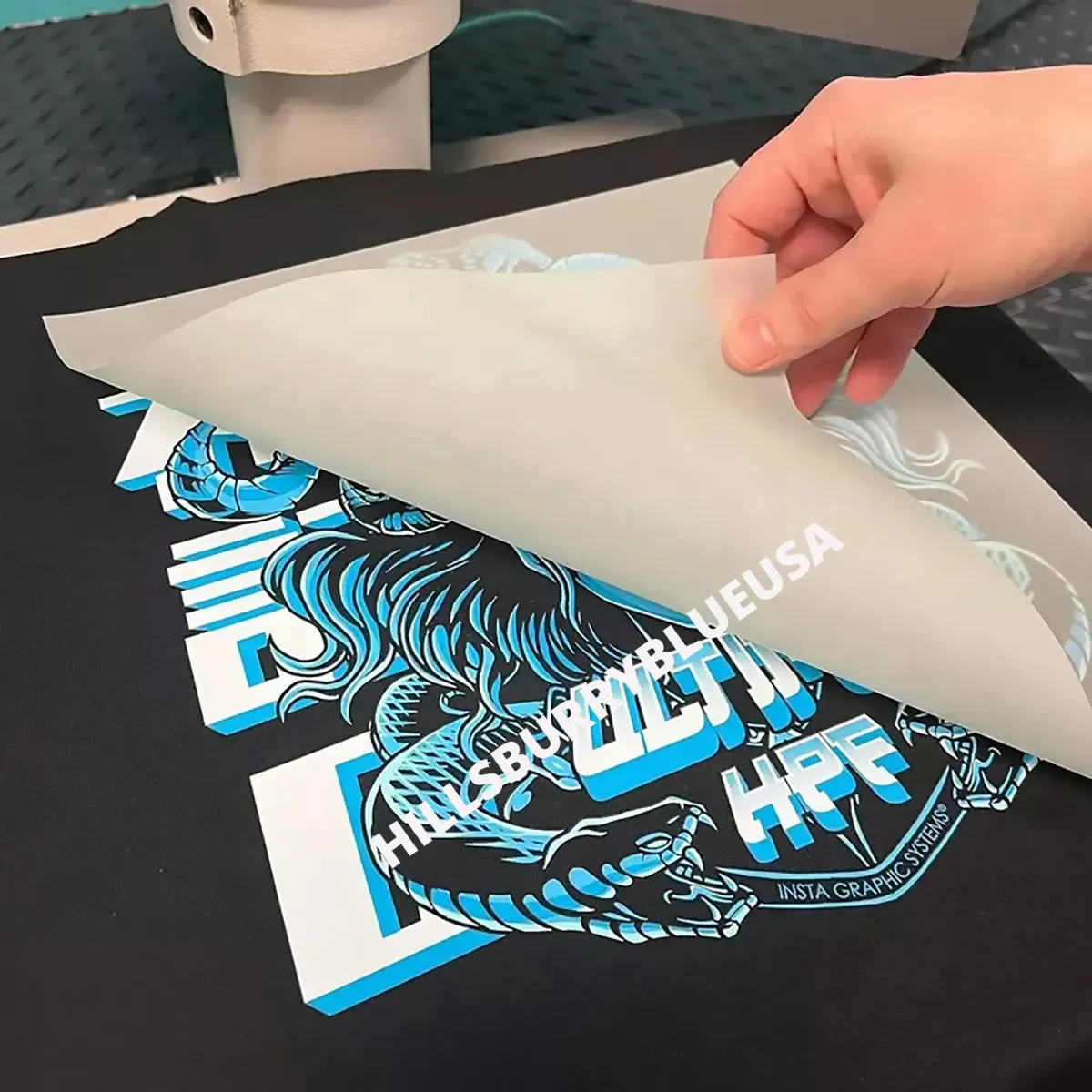
DTF transfers, an abbreviation for Direct to Film transfers, have emerged as a revolutionary force in the printing industry, especially in the realm of eco-friendly printing. This cutting-edge method not only satisfies the rising consumer demand for sustainable practices, but it also paves the way for businesses to embrace environmentally conscious production techniques. With the incorporation of innovative practices like the use of biodegradable inks and water-based inks, DTF printing is setting new benchmarks for quality and sustainability. As we delve deeper into DTF transfers, we will uncover their significant advantages, market trends, and how they align with the goals of sustainable printing for a greener future. Join us as we explore the transformative impact and the ongoing innovations within the world of DTF printing.
In recent years, Direct-to-Film printing has reshaped the landscape of textile decoration, providing a fresh perspective on versatile printing solutions. Often referred to as film transfers or textile transfers, this innovative printing technique utilizes advanced eco-friendly methods to create stunning designs on fabrics. By focusing on sustainable ink options and reducing waste, these printing processes cater to businesses committed to environmental responsibility. With the rise of biodegradable materials and water-based inks, DTF and its derivatives represent a significant shift towards greener printing practices. As the industry evolves, these alternative printing methods are becoming essential for brands aiming to resonate with eco-conscious consumers.
Understanding DTF Transfers: A Sustainable Choice
DTF transfers, or Direct to Film transfers, are revolutionizing the printing industry by providing a versatile and highly efficient way to produce vibrant and intricate designs on fabrics. Unlike traditional screen printing, which can often lead to significant material waste, DTF printing minimizes excess use by employing a unique method that prints directly onto a specialized transfer film. This approach allows for easy application on a variety of fabrics, ranging from cotton to polyester, indicating its adaptability and broader market reach.
The sustainability aspect of DTF transfers is primarily highlighted by the use of eco-friendly printing techniques. As more brands pivot towards sustainable practices, the demand for DTF printing is rising, particularly among environmentally conscious consumers. The method not only enhances product quality but also aligns with growing business trends that prioritize environmental responsibility, making it a compelling choice for modern enterprises.
Subheading: The Eco-Friendly Impact of DTF Printing Innovations
One of the standout features of DTF printing innovations is the commitment to using eco-friendly materials, including biodegradable inks and water-based formulations. These advancements significantly reduce the chemical footprint associated with traditional printing methods. Water-based inks, favored in DTF technology, contain fewer harmful substances, lowering toxicity levels and making them safer for both the end consumers and the environment as a whole.
Moreover, the introduction of biodegradable inks and films in DTF technology represents a critical shift towards sustainable printing solutions. As these products decompose naturally over time, they help address the long-term environmental issues associated with conventional plastic inks and films. By opting for DTF printing, businesses demonstrate their commitment to innovative practices that not only improve print quality but also nurture a healthier planet.
Reducing Waste Through Efficient DTF Printing Processes
A significant advantage of DTF transfers lies in their ability to reduce waste drastically compared to traditional printing methods. The DTF printing process eliminates the need for screens, which significantly lowers material waste and conserves resources. This innovation not only decreases the overall environmental impact but also cuts down on costs related to cleaning and disposal of screens frequently needed in traditional screen printing.
Additionally, DTF technology operates with precision, meaning that ink is applied directly and accurately to the transfer film without excessive overspray. This efficient ink use not only conserves resources but also enhances the quality of the final printed product. Thus, by incorporating DTF printing, businesses can effectively reduce operational waste while aligning with global sustainability goals.
Energy Efficiency in DTF Printing Techniques
Energy efficiency is another critical benefit brought about by advancements in DTF printing processes. Modern DTF printers are designed to operate at lower energy levels, generating a smaller carbon footprint during both the printing and curing phases. This development is crucial for businesses looking to enhance their sustainability credentials while ensuring high print quality.
Furthermore, the availability of energy-efficient printing machines highlights the industry's movement towards responsible manufacturing practices. Companies that embrace these technologies not only save on energy costs but also contribute positively to environmental sustainability. Thus, investing in DTF printing technology is a strategic step for enterprises aiming to integrate eco-friendly practices into their operations.
Exploring the Latest Innovations in Eco-Friendly Inks and Films
The DTF printing landscape is continuously evolving, especially with new developments in eco-friendly inks. Innovations such as phosphorescent inks are creating opportunities for unique and visually appealing products, while also maintaining environmental integrity. These inks—capable of glowing in the dark—enhance the attractiveness of printed fabrics, catering to consumer interests and opening new markets.
Moreover, the latest biodegradable transfer films denote a significant leap towards minimizing waste in the fashion and textile industries. Designed to decompose swiftly, these films mitigate the long-lasting impacts associated with traditional plastic films. By offering such sustainable alternatives, DTF printing provides businesses with a competitive edge, allowing them to appeal to an increasingly eco-conscious consumer base.
The Growing Market Demand for Eco-Friendly Printing Solutions
As of 2024, the eco-friendly printing market is experiencing unprecedented growth, with DTF printing taking the lead in sustainable practices. This surge is attributed to a shift in consumer preferences, as more individuals seek products that reflect their environmental values. DTF transfers provide an opportunity for brands to align with this trend, making a clear statement about their commitment to sustainability.
Additionally, companies leveraging DTF technology can capitalize on the opportunity to attract a dedicated customer base that prioritizes eco-friendly solutions. The rising demand for sustainable printing practices not only resonates with consumers but also positions businesses favorably within an increasingly competitive market.
Frequently Asked Questions
What are DTF transfers and how do they contribute to eco-friendly printing?
DTF transfers, or Direct to Film transfers, are a revolutionary printing method where designs are printed onto a thin film and then transferred to various fabrics. This method contributes to eco-friendly printing by utilizing water-based inks, which contain fewer harmful chemicals, and minimizing waste since it does not require excessive materials like traditional screen printing.
What role do biodegradable inks play in DTF printing innovations?
Biodegradable inks are a significant advancement in DTF printing innovations. These inks naturally decompose after use, reducing environmental impact compared to standard inks. The use of biodegradable inks aligns with the eco-friendly printing movement, making DTF transfers a sustainable choice for environmentally conscious consumers.
How do DTF transfers reduce waste in the printing process?
DTF transfers reduce waste by eliminating the need for screens used in traditional printing methods, thus conserving materials and energy. The process ensures precise ink application, which decreases excess usage and lowers waste compared to conventional techniques, contributing to more sustainable printing practices.
Are DTF transfers compatible with various fabric types?
Yes, DTF transfers are highly versatile and can be applied to a wide range of fabrics, including cotton, polyester, and denim. This adaptability not only allows for high-quality prints but also supports sustainable printing by offering solutions for diverse industries without generating unnecessary waste.
What recent advancements in DTF printing support its eco-friendly reputation?
Recent advancements in DTF printing that support its eco-friendly reputation include the development of phosphorescent inks that glow in the dark and the introduction of biodegradable transfer films. These innovations minimize environmental impact while enhancing product appeal to eco-conscious consumers.
How does DTF printing contribute to energy efficiency in the printing industry?
DTF printing contributes to energy efficiency by requiring less energy during both the printing and curing processes. New technologies in DTF printing are designed to operate with reduced energy levels, leading to a lower carbon footprint while maintaining high-quality output.
| Key Aspect | Details |
|---|---|
| DTF Transfer Overview | DTF transfers utilize a printing technique that produces high-quality, vibrant designs suitable for multiple fabric types. |
| Eco-Friendly Aspects | Focus on sustainability with water-based inks, reduced toxicity, and improved energy efficiency. |
| Advantages of DTF | Minimizes waste and energy consumption, leading to a lower environmental footprint. |
| Recent Innovations | Development of biodegradable inks and films that decompose more easily, contributing to less environmental impact. |
| Market Trends | Growing demand for eco-friendly printing solutions, with an increase in businesses adopting DTF technologies. |
Summary
DTF Transfers represent a transformative shift towards eco-friendly printing solutions in the textile industry. Utilizing advanced technologies and sustainable practices, DTF Transfers not only address environmental challenges but also cater to the increasing consumer demand for green products. The process emphasizes the use of eco-friendly inks and reduced waste, highlighting its commitment to sustainability. As the market continues to evolve, DTF Transfers are set to lead the way in establishing a sustainable future in printing, ensuring that businesses align with both ecological values and consumer preferences.