
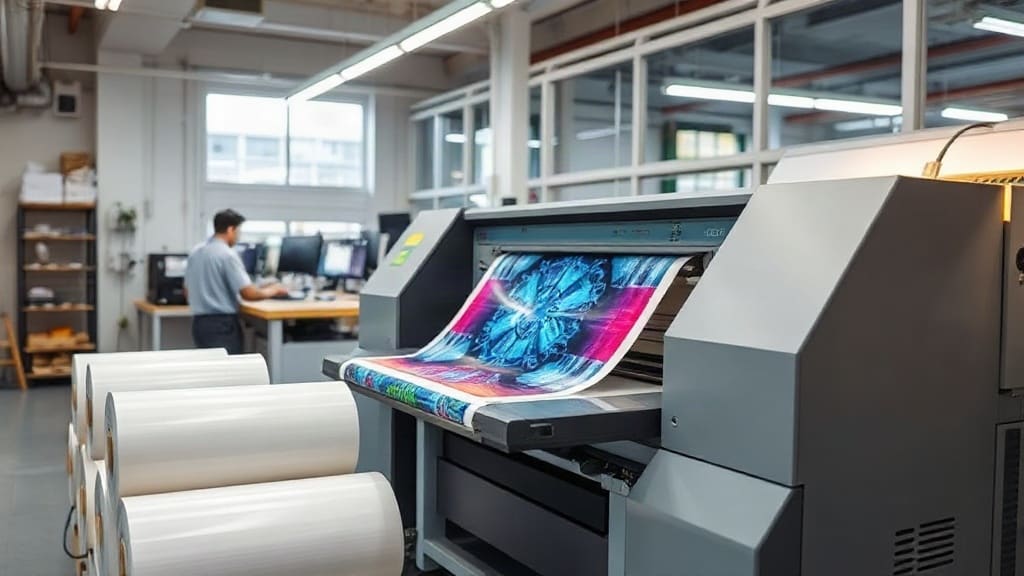
If you're in the custom apparel business or just starting out, you've probably searched for dtf transfer options and wondered where to get the best quality locally. The convenience of a nearby supplier can save you time and shipping costs, but how do you know which one is truly reliable? In this guide, I'll share my personal experience and research to help you evaluate local DTF providers and make an informed choice.
Understanding DTF Transfers
Direct-to-film (DTF) printing is a method where designs are printed onto a special film, coated with adhesive powder, and then heat-pressed onto garments. Unlike traditional screen printing, DTF allows for vibrant, full-color prints with no minimum order requirements, making it perfect for small batches and intricate designs. The term dtf transfers refers to the actual printed films ready for pressing, which you can either produce yourself or order from a service.
Why Local Suppliers Matter
When you type "dtf transfers near me" into a search engine, you're likely looking for speed and convenience. A local supplier can offer faster turnaround times, the ability to inspect samples in person, and easier communication if issues arise. Plus, you avoid shipping delays and costs. But not all local options are created equal, so you need to know what to look for.
How to Find DTF Transfers Near You
Start with a simple online search using the phrase dtf transfers near me. However, don't just rely on the top results. Here are some effective strategies I've used:
- Check local business directories and Google Maps reviews.
- Ask in local printing and apparel Facebook groups for recommendations.
- Visit nearby print shops and ask if they offer DTF or can recommend a supplier.
- Look for suppliers at local craft fairs or business expos.
Red Flags to Avoid
During my search, I encountered some suppliers who claimed to offer DTF but didn't have the proper equipment. Watch out for these signs:
- They can't provide clear examples of their work.
- Their prices seem too good to be true, often indicating lower quality inks or films.
- They lack knowledge about different fabric types and handling.
- They don't offer a satisfaction guarantee or sample service.
Key Factors in Choosing a DTF Transfer Provider
Once you have a shortlist, evaluate each candidate based on these criteria:
Print Quality and Durability
The quality of dtf transfers can vary significantly. Ask for a sample and run it through a wash test. A good transfer should withstand multiple washes without cracking or fading. Look for vibrant colors, sharp details, and a soft hand feel. If possible, visit their facility to see the printing process and the materials they use.
Turnaround Time and Reliability
In the printing business, deadlines are crucial. Ask about their typical turnaround time for custom orders. A local supplier might promise next-day service, but can they deliver consistently? Check online reviews for mentions of late deliveries or poor communication.
Pricing and Minimums
Compare prices, but don't make cost your only deciding factor. Some suppliers have low setup fees but high per-transfer costs, while others offer discounts for bulk orders. Also, check if they require a minimum order quantity. For small businesses, a low minimum is often preferable.
Customer Service and Support
When I needed help with color matching, my supplier's support team was invaluable. Choose a provider who is responsive and willing to assist with design issues or technical questions. A local supplier who values your business will go the extra mile to keep you satisfied.
Questions to Ask Before Ordering
To avoid disappointment, ask these questions before placing an order:
- What types of films and inks do you use?
- Do you offer white toner printing for dark garments?
- Can you handle complex designs with gradients and fine details?
- What is your process for ensuring color accuracy?
- Do you provide test prints or samples?
- What is your policy for defective transfers?
Understanding the Process
If you're new to DTF, understanding the production process can help you ask better questions. DTF involves printing a reverse image, applying adhesive powder, and curing it. The quality of the powder and the curing temperature affect the final result. A knowledgeable supplier will explain these details and offer advice on pressing techniques.
Comparing Local vs. Online Suppliers
While the focus is on local options, it's worth comparing them to reputable online services. Online suppliers often offer lower prices due to economies of scale, but you lose the personal touch and immediate communication. For time-sensitive projects, a local supplier is unbeatable. For bulk orders, online might be more cost-effective. Weigh the pros and cons based on your specific needs.
My Experience with Local Suppliers
I recall a time when I needed 50 transfers for a customer's event, and the deadline was tight. A quick search for dtf transfers near me led me to a local print shop that had just invested in a DTF printer. They offered a quick turnaround, and I was able to pick up the transfers in person. The quality was excellent, and I've since built a strong relationship with them. This experience taught me the value of supporting local businesses in this niche.
Tips for Working with a DTF Supplier
To ensure a smooth partnership, follow these tips:
- Provide high-resolution artwork (300 DPI) with transparent backgrounds.
- Confirm the size and placement of your designs.
- Discuss color expectations and ask for a proof.
- Test with a small batch before committing to a large order.
- Maintain open communication for feedback and revisions.
Building Long-Term Relationships
Once you find a reliable supplier, nurture that relationship. Consistent orders and timely payments can lead to better pricing and priority service. Also, don't hesitate to give constructive feedback; most suppliers appreciate it and will adjust their services accordingly.
Conclusion
Finding the best dtf transfers near you requires a bit of research, but it's well worth the effort. By focusing on quality, reliability, and customer support, you'll discover a local partner who can meet your needs efficiently. Remember to test samples, ask the right questions, and build a mutually beneficial relationship. With the right supplier by your side, you'll be able to produce stunning apparel that delights your customers and grows your business.
Frequently Asked Questions
What is the typical cost of DTF transfers?
Costs vary based on size, quantity, and complexity. Generally, a single DTF transfer for an 8x10 inch design might range from $2 to $5, but bulk discounts can reduce that significantly. Local suppliers might have slightly different pricing due to overhead, so it's best to request quotes from several providers.
How long do DTF transfers last?
When applied correctly, DTF transfers can last as long as the garment itself. They are durable and can withstand up to 50 washes or more if you follow care instructions. Wash garments inside out in cold water and avoid ironing directly on the print to extend its life.
Can I use DTF transfers on any fabric?
DTF transfers work best on cotton, polyester, and blends. They can also adhere to nylon and other synthetic fabrics, but results may vary. It's always a good idea to test on a small piece of fabric to ensure proper adhesion and washability.
Do I need special equipment to apply DTF transfers?
You'll need a heat press that can reach temperatures of around 320°F (160°C) and apply consistent pressure. A clamshell or swing-away press works well. Some people use a home iron, but it's not recommended because achieving even pressure and temperature is difficult, leading to poor results.
How do I choose between DTF and screen printing?
DTF is ideal for small orders, full-color designs, and quick turnarounds with no setup fees. Screen printing is better for large quantities of a single design, where the per-unit cost becomes much lower. Consider your order size and design complexity to decide which method is more cost-effective for your project.