
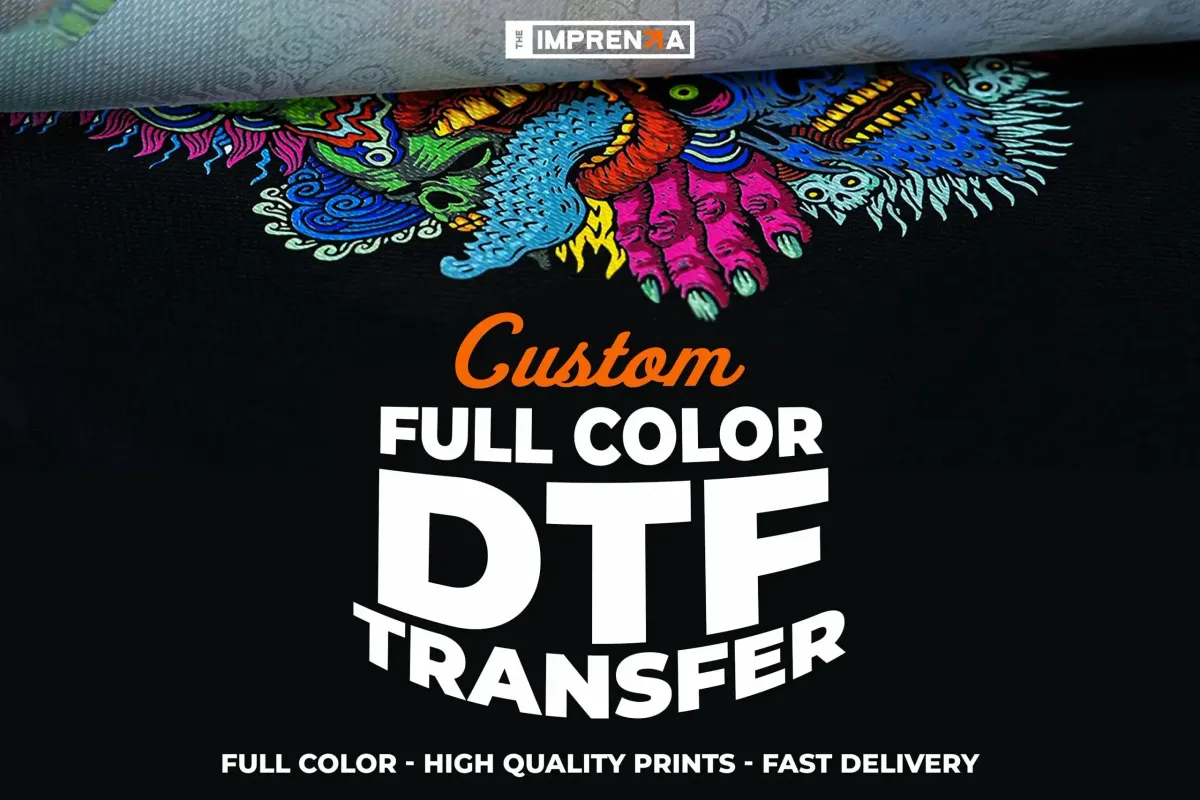
In the ever-evolving landscape of custom apparel, DTF transfers, or Direct-to-Film transfers, have emerged as a transformative printing technology that meets the insatiable demand for personalized fashion. This innovative method allows for stunningly vibrant prints that are applied directly to fabric, providing unparalleled quality and versatility that is reshaping apparel manufacturing processes. Businesses of all sizes are recognizing the potential of DTF transfers to enhance their product offerings while keeping pace with the rapid shifts in fashion trends. Moreover, integrating DTF technology not only elevates the aesthetic appeal of garments but also aligns with sustainable fashion practices, appealing to eco-conscious consumers. Whether you're a small entrepreneur entering the market or a larger manufacturer looking to innovate, DTF transfers present an exciting opportunity to differentiate your brand in a competitive industry.
Direct-to-Film printing is revolutionizing how designs are conveyed on textiles, making it an attractive option for creators of all backgrounds. This method, often referred to as DTF or direct-to-film printing technology, combines the precision of digital imaging with the simplicity of traditional applications, yielding rich, high-resolution designs that resonate with today's style-savvy consumers. As the landscape of apparel customization shifts, many brands are embracing this cutting-edge technique to not only enhance their product line but also to promote more sustainable printing practices. From intricate patterns to bold color contrasts, the advantages provided by DTF technology open up new avenues for creativity and market reach. It's clear that this transformative printing method is establishing itself as a cornerstone in the future of fashion, bridging the gap between innovation and consumer preferences.
Understanding the Direct-to-Film (DTF) Transfer Process
DTF transfers represent a significant innovation in the field of custom apparel and printing technology. The process begins with printing a design onto a special film coated with adhesive. This film is then heat-pressed onto the fabric, allowing for a high-resolution application that results in vibrant colors and intricate designs. Unlike traditional screen printing, which often requires multiple setups for different colors, DTF transfers can reproduce complex artwork in a single pass, making it an efficient choice for businesses with diverse product offerings.
Moreover, DTF printing technology stands out for its adaptability across various fabric types. Whether it’s lightweight cotton or heavier polyester blends, the process ensures consistent quality. This versatility makes DTF an ideal choice for apparel manufacturers looking to meet a wide range of customer preferences without sacrificing quality or speed. As more companies realize the benefits, DTF transfers are quickly becoming synonymous with high-quality custom apparel.
The Advantages of DTF Transfers for Custom Apparel
One of the standout benefits of DTF transfers is the exceptional print quality they deliver. The ability to achieve vibrant colors and sharp details means that designs stand out, appealing more to consumers who seek unique and personalized apparel pieces. This technology also tends to offer better durability when compared to traditional printing methods, ensuring that designs resist fading and cracking even after multiple washes. Thus, businesses can significantly enhance customer satisfaction while reducing return rates due to print imperfections.
In addition to print quality, DTF transfers provide a level of efficiency that traditional methods struggle to match. For small to medium-sized apparel manufacturers, this means lowering production costs while maximizing output. By reducing the need for multiple setups and minimizing labor costs, DTF technology allows entrepreneurs to focus more on design innovation and marketing strategies—crucial areas for standing out in a crowded market.
Sustainability in Custom Apparel: DTF as an Eco-Friendly Choice
As the fashion industry grapples with its environmental impact, DTF transfers emerge as a compelling alternative to traditional printing techniques. Many DTF inks are designed to be more environmentally friendly, aligning with the increasing consumer demand for sustainable fashion solutions. By choosing DTF technology, apparel businesses not only reduce their carbon footprint but also attract eco-conscious consumers who are actively seeking brands committed to sustainable practices.
Moreover, the production process of DTF transfers requires fewer resources compared to conventional methods like screen printing. DTF technology minimizes waste and utilizes less water, making it a more sustainable option for apparel manufacturing. As more businesses commit to environmentally responsible practices, DTF printing will play a crucial role in promoting a greener future for the custom apparel industry.
Rapid Turnaround with DTF Transfers: Meeting Consumer Demands
In the ever-accelerating world of fashion, the ability to deliver products quickly can set brands apart. DTF transfers excel in rapid production capabilities, allowing businesses to respond swiftly to trending designs or customer demands. The speed at which DTF technology operates means that custom apparel can be produced and delivered faster than ever, accommodating the fast-paced nature of the fashion landscape.
This rapid turnover is particularly beneficial during peak seasons or promotional events when consumer demand spikes. Companies leveraging DTF transfers can meet these demands while maintaining high quality, ensuring brand loyalty among customers who value both speed and craftsmanship in their purchases.
The Ease of Use of DTF Printing Technology
Another significant advantage of DTF transfers is their user-friendly nature. Many of the newer DTF printers are designed with an easy, plug-and-play setup, allowing even those new to printing technology to start producing immediately. This accessibility is particularly advantageous for small business owners and hobbyists who may lack extensive technical knowledge or experience.
As a result, many entrepreneurs are finding it easier to enter the custom apparel market without the barriers typically associated with learning traditional printing methods. This simplicity not only democratizes access to high-quality printing technology but also encourages creativity and innovation among new users, fostering a thriving DIY culture within the custom apparel space.
Future Trends: The Growing Adoption of DTF Technology
Looking ahead, the widespread adoption of DTF technology is a trend that is likely to continue, bolstered by its growing presence within the custom apparel industry. Major brands are increasingly investing in DTF printers and processes, recognizing the potential for increased productivity and enhanced product offerings. As this technology becomes more refined and accessible, it opens up opportunities for businesses of all sizes to adopt advanced printing methods.
The rise in workshops and educational resources further supports this trend. As more creators learn about the benefits of DTF transfers, the knowledge sharing within the industry will foster an environment where innovation and quality design can flourish. Consequently, businesses that embrace this technology early can capitalize on market demand while establishing themselves as leaders in the custom apparel sector.
Frequently Asked Questions
What are DTF transfers, and how do they work in custom apparel printing?
DTF transfers, or Direct-to-Film transfers, involve printing vibrant designs onto a special film that is subsequently heat pressed onto fabric. This process combines elements of traditional screen printing and digital printing, resulting in high-quality images suitable for various fabrics such as cotton and polyester. By utilizing DTF transfers, custom apparel businesses can efficiently produce intricate designs with exceptional color accuracy.
How do DTF transfers compare to traditional printing technologies in custom apparel manufacturing?
DTF transfers stand out in the custom apparel manufacturing landscape due to their versatility and quality. Unlike traditional screen printing, which can be limited by color and design complexity, DTF technology allows for rapid production of high-resolution images on diverse textiles. Additionally, DTF transfers require less labor and cost, making them a preferred choice for small to medium-sized businesses.
Are DTF transfers an environmentally sustainable option for custom apparel printing?
Yes, DTF transfers are a more eco-friendly alternative to traditional printing technologies. Many DTF inks are formulated to be less harmful than plastisol inks used in screen printing, aligning with the growing consumer demand for sustainable fashion. By adopting DTF transfers, businesses can promote their commitment to environmentally responsible practices in the custom apparel industry.
What are the benefits of using DTF transfers for rapid production in the apparel industry?
DTF transfers significantly enhance rapid production capabilities in the apparel industry. This printing technology allows for quick turnaround times, enabling businesses to respond swiftly to market demands and consumer preferences. By using DTF, companies can efficiently capitalize on the fast fashion trend, maintaining a competitive edge in the custom apparel market.
How accessible is DTF printing technology for small businesses and hobbyists in the custom apparel market?
DTF printing technology is highly accessible for small businesses and hobbyists due to its user-friendly nature. Many modern DTF printers are designed to be plug-and-play, minimizing the complexity often associated with starting a printing business. This ease of use allows individuals to quickly set up their custom apparel production without needing extensive technical knowledge.
What recent trends are driving the growth of DTF transfers in the custom apparel industry?
The growth of DTF transfers in the custom apparel industry is fueled by increased market demand, with projections indicating a compound annual growth rate (CAGR) of over 10%. This rising interest has led to more educational workshops and resources, helping entrepreneurs understand and adopt DTF technology. Major brands are also investing in DTF solutions, highlighting a trend toward this innovative printing method.
| Key Points | Details |
|---|---|
| What Are DTF Transfers? | Process involves printing designs onto a special film, then heat pressing onto fabric, combining aspects of screen printing and digital printing. |
| Key Benefits of DTF Transfers | |
| Quality and Versatility | Delivers stunning, high-quality prints with exceptional color vibrancy and detail on various textiles. |
| Cost-Effective and Efficient | Lower labor and operational costs allow businesses to invest more in growth and marketing. |
| Eco-Friendly Options | DTF inks are more environmentally friendly than traditional inks, appealing to eco-conscious customers. |
| Rapid Production Times | Enables quick turnaround times to meet fast fashion demands. |
| Market Adoption | Increasing adoption by major brands reveals a strong market trend towards DTF technology. |
| User-Friendly | Easier to set up and use, appealing to hobbyists and small businesses. |
Summary
DTF transfers are revolutionizing the custom apparel industry by providing businesses with innovative printing solutions that offer remarkable quality, versatility, and sustainability. This technology not only meets the creative demands of today's fashion landscape but also addresses cost-efficiency and eco-friendliness concerns. As DTF continues to gain traction across various segments, it empowers both entrepreneurs and established brands to enhance their custom apparel offerings, making personalization more accessible than ever. Looking ahead, the integration of DTF in production processes will undoubtedly shape the future of fashion, underscoring the importance of customization in a rapidly evolving market.