
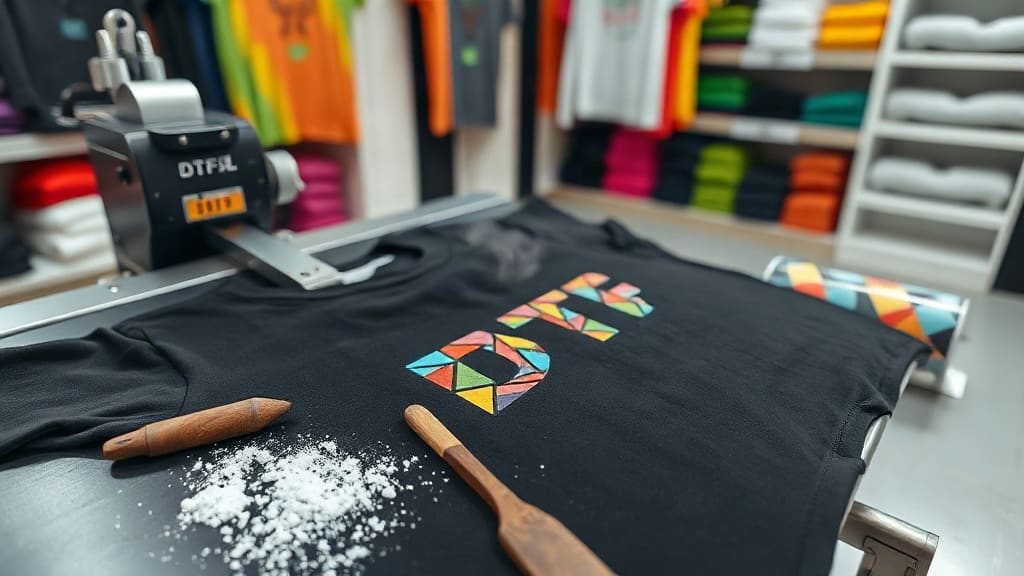
If you're in the custom apparel business, you've likely heard about DTF transfers. This printing method has taken the industry by storm, offering a versatile and cost-effective way to create vibrant designs on a wide range of fabrics. Whether you're a seasoned printer or just starting out, understanding the ins and outs of DTF can give you a competitive edge. In this comprehensive guide, I'll walk you through everything you need to know, from the basics to advanced tips that will help you produce stunning results.
What Are DTF Transfers?
DTF stands for Direct to Film. Unlike traditional methods that print directly onto the garment, DTF involves printing your design onto a special film, applying adhesive powder, and then heat-pressing it onto the fabric. The result is a soft, flexible, and highly durable print that can be applied to cotton, polyester, blends, and even difficult surfaces like nylon and leather.
The process begins with a high-quality inkjet printer that uses specialized pigments. After printing, a hot-melt adhesive powder is applied to the wet ink, and the film is dried. When you're ready to transfer, you place the film on the garment and apply heat and pressure. The adhesive melts, bonding the ink to the fabric, and the film is peeled away, leaving a vivid, long-lasting image.
Why Choose DTF Transfers?
There are several reasons why DTF has become a go-to choice for many print shops and hobbyists. First, it offers incredible versatility. You can print on a wide array of fabrics without needing different pretreatments or processes. Second, the colors are exceptionally vibrant, and the prints have a soft hand feel that many prefer over traditional screen prints. Third, DTF is perfect for small orders and custom one-off designs, making it ideal for personalized items and on-demand printing.
Another major advantage is the durability. DTF prints can withstand numerous washes without cracking or fading, especially when using high-quality materials. This makes them suitable for workwear, sportswear, and everyday apparel. Additionally, the process is relatively simple to learn, and the equipment required is more affordable than other digital printing methods like DTG (Direct to Garment).
DTF vs. DTG: Which Is Better?
If you're considering DTF, you might be wondering how it stacks up against DTG. Both are digital printing methods, but they have key differences. DTG prints directly onto the garment, which works best on 100% cotton. It's excellent for high-detail designs, but it can be slower and requires more maintenance. DTF, on the other hand, can print on a variety of fabrics, including polyester, which is often problematic for DTG. DTF also allows you to print designs in advance and use them later, which is great for batch production and reducing turnaround time.
In my experience, DTF is more forgiving for small runs and offers better color vibrancy on dark garments without needing a white underbase. However, DTG still has its place, especially for large orders on cotton tees. The choice ultimately depends on your specific needs, but many businesses are adding DTF to their arsenal to complement their existing services.
Essential Equipment and Materials for DTF
To get started with DTF, you'll need a few key items. First, a printer that supports pigment inks and can handle the DTF film. Many use converted Epson or other inkjet printers with a continuous ink system. You'll also need DTF film, which comes in rolls or sheets, and a specialized adhesive powder. A heat press is essential for the transfer process, and a drying oven or heat gun is needed to cure the adhesive after printing.
When choosing materials, quality matters. Cheap films and powders can lead to poor adhesion, cracking, or color fading. Look for reputable suppliers that offer consistent results. I recommend testing different brands to find what works best for your setup and the types of garments you'll be printing on.
Printer Setup and Profiling
Setting up your printer correctly is crucial. You'll need to use pigment inks specifically formulated for DTF, and you'll need to create a profile that ensures accurate color reproduction. Many DTF users opt for a RIP software that allows for precise control over ink density and color management. Take the time to calibrate your printer and test prints to achieve the best results.
Adhesive Powder Application
Applying the adhesive powder evenly is a skill that takes practice. Too little powder will result in poor adhesion, while too much can cause the powder to stick to the film and not the garment. You can apply the powder manually or use a powder shaker or a dedicated powder application machine. After application, the film must be dried thoroughly before storage or transfer. A drying oven or a heat gun can speed up this process.
Step-by-Step DTF Transfer Process
Here's a simplified overview of the DTF process:
- Print your design in reverse (mirrored) onto the DTF film using a DTF-compatible printer.
- While the ink is still wet, apply a generous layer of hot-melt adhesive powder over the printed area.
- Shake off excess powder and ensure the powder is evenly distributed.
- Dry the film to cure the adhesive. This can be done in a drying oven or with a heat press at a low temperature for a short time.
- When ready to transfer, preheat your heat press to the recommended temperature (usually around 160-170°C).
- Place the film on the garment with the printed side facing down.
- Press with medium to firm pressure for about 15-20 seconds.
- Peel the film while it's still hot or cool, depending on the instructions.
- For extra durability, you can apply a second press with a silicone or Teflon sheet.
Always follow the manufacturer's guidelines for temperature and time, as they can vary.
Tips for Achieving Perfect DTF Prints
Getting consistent, high-quality results takes attention to detail. Here are some tips I've learned from experience:
- Ensure your artwork is high-resolution (300 DPI) to avoid pixelation.
- Use a white underbase for designs on dark garments to make colors pop.
- Calibrate your printer regularly to maintain color accuracy.
- Test on a sample fabric before committing to a full run.
- Keep your film and powder in a dry environment to prevent moisture absorption.
- Use a Teflon sheet during pressing to protect your heat press and avoid scorching.
Common Mistakes and How to Avoid Them
Even experienced printers run into issues. One common mistake is using too much adhesive powder, which can cause the print to feel stiff or have a rough texture. Another is pressing at the wrong temperature, leading to incomplete adhesion or damage to the fabric. To avoid these, always follow the recommended settings and do test runs. Also, ensure your film is completely dry before transferring; any residual moisture can cause bubbling.
Another pitfall is not using a rip or color management, resulting in dull or inaccurate colors. Invest in good software and take the time to create profiles for your specific ink and film combination.
Creative Applications for DTF Transfers
DTF isn't just for t-shirts. You can use it on tote bags, hats, hoodies, and even shoes. The flexibility of the film allows you to apply prints to curved or textured surfaces, making it a favorite for custom merchandise and promotional products. Small business owners can create branded apparel, while crafters can make personalized gifts. The possibilities are endless.
I've seen DTF used for team uniforms, workwear, and even home decor items like pillows and blankets. Because the prints are washable and durable, they're perfect for items that see frequent use.
Cost-Effectiveness for Small Businesses
Starting a DTF operation requires an initial investment in equipment, but the ongoing costs are relatively low. Films, inks, and powders are consumables, but they are affordable, especially when buying in bulk. For small businesses, DTF offers a low-cost entry into custom printing without the need for expensive screens or large minimum orders. This makes it an excellent choice for print-on-demand services or personalized products.
Moreover, because you can print transfers in advance, you can optimize your workflow, reduce waste, and handle last-minute orders efficiently. This flexibility can lead to higher profit margins and customer satisfaction.
Frequently Asked Questions About DTF Transfers
Can DTF transfers be used on any fabric?
DTF transfers work well on most fabrics, including cotton, polyester, blends, and even stretchy materials. However, they may not adhere properly to very smooth or waterproof surfaces like certain types of nylon or vinyl. It's always best to do a test press on a sample to ensure good adhesion.
How many washes can a DTF print withstand?
With proper application and high-quality materials, DTF prints can last for many washes, often over 50 without significant fading or cracking. To maximize durability, wash garments inside out in cold water and avoid using harsh detergents or bleach.
Do I need a special printer for DTF?
Yes, you need a printer that can handle pigment inks designed for DTF. Many users convert Epson EcoTank or similar models for this purpose, but there are also dedicated DTF printers available. The key is to have a printer that can print with white ink, which is essential for dark garments.
What is the shelf life of DTF film?
DTF film can last for several months if stored properly in a cool, dry place, away from direct sunlight and humidity. Once printed, the film with adhesive can be stored for a few weeks, but it's best to use it promptly for optimal results.
Can I use DTF transfers with a home iron?
While it's possible to use a home iron, it's not recommended because it's difficult to achieve the necessary pressure and temperature distribution. A heat press is preferred for consistent results. If you must use an iron, ensure it's set to the highest setting and apply firm pressure for a longer time.
Final Thoughts on DTF Transfers
DTF transfers have revolutionized the custom printing industry, offering a perfect balance of quality, versatility, and affordability. Whether you're a hobbyist or a business owner, mastering DTF can open up new opportunities for creative expression and revenue. As with any craft, practice is key. Start with simple designs, experiment with different fabrics, and fine-tune your process. Before you know it, you'll be producing professional-grade prints that will impress your customers and keep them coming back for more.
If you're ready to dive in, invest in good equipment and materials, and don't be afraid to learn from your mistakes. The DTF community is full of resources and tips, so take advantage of them. Happy printing!