
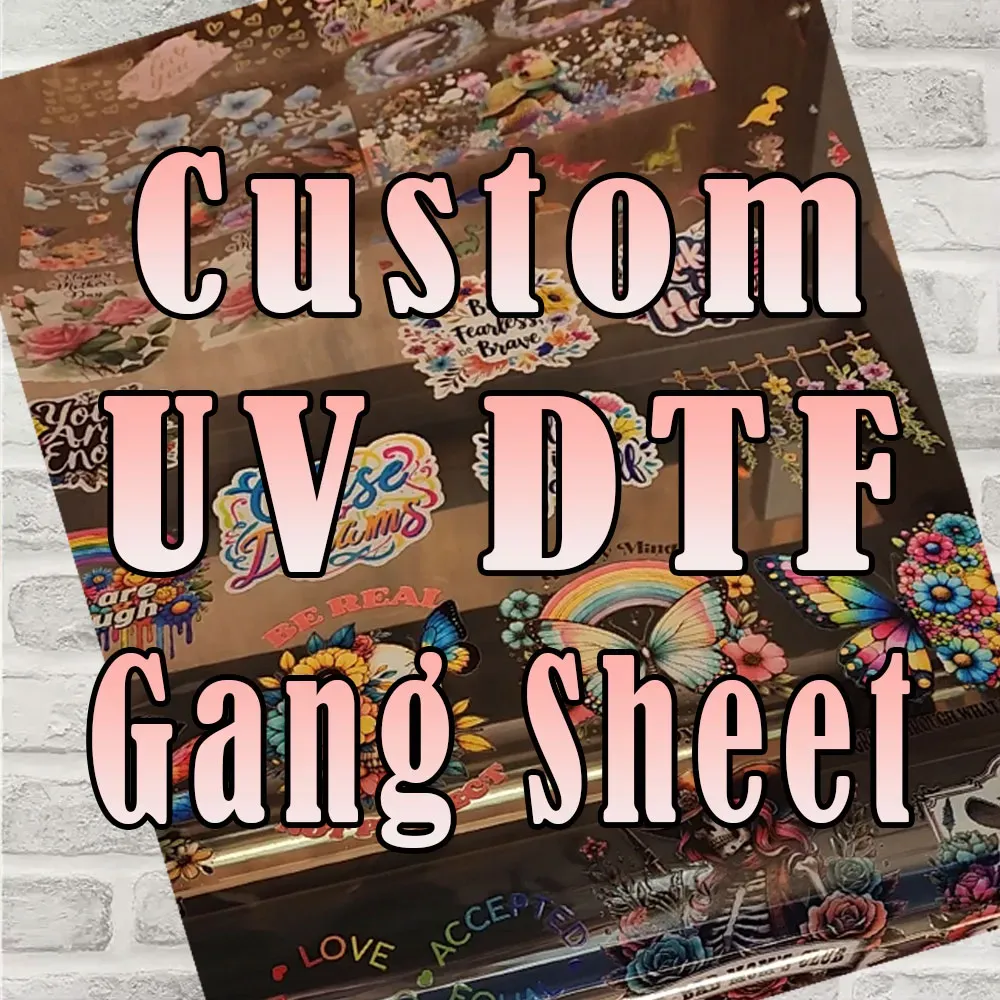
UV DTF Gangheet is rapidly redefining how brands approach print-on-demand and custom manufacturing, delivering vivid transfers at scale. If you’re evaluating ways to streamline your workflow, this method sits at the intersection of modern production systems and traditional DTF printing, marrying speed with color fidelity. By leaning on direct-to-film technology and UV-curing for textiles, this approach minimizes dry times and boosts durability across a wide range of fabrics and substrates. The result is a streamlined process that supports batch production without sacrificing detail, edge quality, or wash performance. This approach is becoming a go-to option for designers seeking bold graphics and consistent results in apparel and beyond.
Viewed through the lens of UV-based transfer technology, this method redefines how printers approach soft goods and promotional items. In practical terms, the process blends film transfers with UV-curable inks to produce crisp, wash-fast graphics on garments, hats, and accessories. Industry discussions often refer to it as a UV-assisted DTF workflow or a film-driven custom printing technique that supports on-demand production. By comparing this approach to traditional heat-transfer methods, brands can weigh speed, adhesion, and substrate versatility. As markets seek faster, greener options, this family of processes is gaining traction among studios and manufacturers alike.
Understanding UV DTF Gangheet: The Next Step in Direct-to-Film Technology
UV DTF Gangheet combines direct-to-film technology with UV-curable inks to produce transfers that cure on contact with UV light. In practice, UV DTF Gangheet sits at the intersection of DTF printing and UV-curing workflows, enabling crisp, high-saturation graphics on a range of fabrics. It is designed for volume or batch production with consistent sheet-based transfers, offering tight edge fidelity and reliable color reproduction.
This approach supports robust custom printing techniques that demand color accuracy, wash durability, and cross-substrate compatibility. As brands look to shorten lead times for apparel and promotional goods, UV DTF printing in Gangheet form provides a scalable, repeatable path from design to finished product. The workflow leverages direct-to-film technology to manage color profiles across the transfer film and the final substrate, helping maintain predictability across runs.
How UV DTF Printing Works: From Design to Transfer
Design and color setup are foundational: start with color-managed artwork and ICC profiles tuned for the printer, film, and capper settings. This is where DTF printing and direct-to-film technology come into play, ensuring the image holds sharp detail and broad color ranges across substrates.
Printing with UV-curable inks on a transfer film cures immediately under UV exposure, reducing dry times and enabling precise small text and saturated fills. After printing, a powder or adhesive layer is applied to assist release and adhesion, followed by a curing/transfer step using heat and pressure to embed the graphic into the garment or substrate.
Benefits of UV-Curing for Textiles in DTF Transfers
UV-curing for textiles delivers deep color, high saturation, and smooth gradients that resist fading through washing and wear. The instant cure minimizes handling risk and supports tighter registration, which is especially valuable for logos, artwork with fine lines, and gradient effects.
Durability extends to substrate flexibility: UV DTF transfers can be applied to a wide range of fabrics and even some blends, expanding customization options for apparel, bags, and promotional items. Faster throughput and reduced waste also contribute to a more sustainable production model for short runs and on-demand orders.
Comparing UV DTF Printing with Traditional DTF: Key Differences in Ink, Curing, and Quality
Ink chemistry differs notably: UV DTF uses UV-curable inks that cure on exposure, offering sharper detail and better small-text performance compared with traditional water-based inks used in many DTF workflows. This chemistry influences color fidelity and the ability to reproduce vibrant images.
Curing method and durability also diverge: UV exposure hardens the ink immediately, while standard DTF typically relies on heat to dry inks and adhesives. Drying performance, handling, and long-term color stability improve with UV-DTF, though the initial equipment investment may be higher, it can yield faster production cycles for certain runs.
Selecting Equipment, Films, and Materials for UV DTF Gangheet
Key components include a UV-capable printer, compatible transfer film and powder/adhesive systems, a UV curing or exposure unit, and a reliable heat press for final transfer. The film choice should align with ink chemistry to maximize adhesion, color fidelity, and ease of release.
Substrate compatibility and testing are essential: evaluate fabric types, blends, and hard surfaces to optimize results. Establish a color profiling and proofing workflow, and ensure you have a clear BOM for films, adhesives, and curing equipment to support consistent results across batches.
Practical Tips for Getting Started with UV DTF Printing and Scaling
Begin with a pilot batch on representative substrates to evaluate color accuracy, adhesion, and wash durability. Calibrate color profiles regularly and document printer, film, and curing settings to support reproducibility across operators and shifts.
Implement quality control routines, including pre-treatment evaluation for textiles, wear testing, and multiple wash cycles. Maintain archival ICC profiles for different finishes, and iterate on timing, temperature, and pressure to balance color fidelity with transfer strength for scalable production.
Frequently Asked Questions
What is UV DTF Gangheet, and how does it relate to UV-curing for textiles and direct-to-film technology?
UV DTF Gangheet is a direct-to-film printing approach that uses UV-curable inks on a transfer film, followed by heat pressing or UV curing to embed graphics into fabrics. It sits at the intersection of DTF printing and UV-curing for textiles, leveraging direct-to-film technology to deliver vibrant color, strong adhesion, and wash-fast results. This combination supports efficient batch production and sharp detail across a range of substrates.
How does UV DTF Gangheet compare to traditional DTF printing in terms of color, speed, and durability?
UV DTF Gangheet uses UV-curable inks that cure instantly, offering crisper detail and faster turnaround than traditional DTF printing. The direct-to-film technology and UV curing can yield deeper color saturation and improved durability, particularly on textiles and blended substrates. Overall, it can reduce drying bottlenecks while maintaining strong adhesion and wash resistance.
Which substrates work best with UV-curing for textiles when using UV DTF Gangheet?
UV DTF Gangheet performs well on a variety of fabrics and surfaces, including cotton, blends, and specialty textiles, with the durability enhanced by UV-curing for textiles. Always test substrate compatibility and color profiling, as pre-treatments or coatings may be needed to maximize adhesion and vibrancy for specific materials within the direct-to-film technology workflow.
What are the key steps in the UV DTF printing workflow for UV DTF Gangheet, from design to transfer?
In the UV DTF Gangheet workflow, start with design and color setup using ICC profiles for the substrate. Print with UV DTF printing on a transfer film, prepare the film with adhesive or powder, cure the inks if required, and then apply the transfer via heat and pressure. This process, grounded in direct-to-film technology, yields a durable, vibrant graphic with proper post-processing for optimal wash-fastness.
What equipment and materials are required for UV DTF Gangheet, and how should you evaluate options for UV-curing for textiles?
Core equipment includes a UV-capable printer, appropriate transfer film and adhesive systems, a UV curing or exposure unit (if curing isn’t integrated in printing), and a reliable heat press. Evaluate options based on ink compatibility, film–ink interaction, curing efficiency, and substrate support. Considering the UV-curing for textiles angle, assess long-term durability, maintenance, and total cost of ownership for your direct-to-film technology setup.
What practical tips help optimize UV DTF Gangheet for custom printing techniques and ensure consistent results?
Start with a pilot batch to gauge color accuracy and adhesion, then calibrate color profiles across substrates. Use substrate-specific pre-treatments if needed, and perform wear-and-wash tests to verify durability. Document settings for different films, inks, and presses to support repeatability in custom printing techniques and maintain high-quality outcomes with UV DTF Gangheet.
| Aspect | Highlights |
|---|---|
| What is UV DTF Gangheet? | Direct-to-film printing using UV-curable inks with a film substrate; designed for high-volume, sheet-based transfers; sits at the intersection of DTF and UV curing for fabrics and other materials. |
| How UV DTF Gangheet Works | Design & color setup; Printing with UV inks; Transfer preparation; Curing and transfer; Post-processing to seal in color and durability. |
| Key Benefits | High color depth and vibrancy; faster curing and throughput; durable adhesion; broad substrate compatibility; reduced waste. |
| Applications | Apparel/textiles, promotional items, hard surfaces, and limited edition runs requiring bold, durable graphics. |
| Comparisons vs Traditional DTF | UV curing vs heat-only cures; instant hardening; sharper detail at small text sizes; potential equipment differences and cost considerations. |
| Equipment & Materials | UV-capable printer, transfer film, powder/adhesive, UV curing/ exposure unit, heat press, and substrate testing. |
| Design, Color Management & QC | Color-managed workflows, ICC profiles, proofing, calibration, and pre-press checks to ensure fidelity. |
| Practical Tips | Pilot batches, calibrated color profiles, fabric pre-treatment as needed, test wear/wash, optimize curing and timing, document settings. |
| Future Trends | Ink and film improvements, faster curing technologies, and broader substrate compatibility driving more efficient small-run and on-demand production. |
Summary
UV DTF Gangheet: a concise, structured overview of a rapidly evolving print technology that blends direct-to-film processes with UV curing to deliver vibrant, durable transfers across fabrics and other substrates. The approach emphasizes color accuracy, throughput, and material versatility, with practical guidance on equipment, workflow, and quality control to help teams evaluate its fit for their needs.