
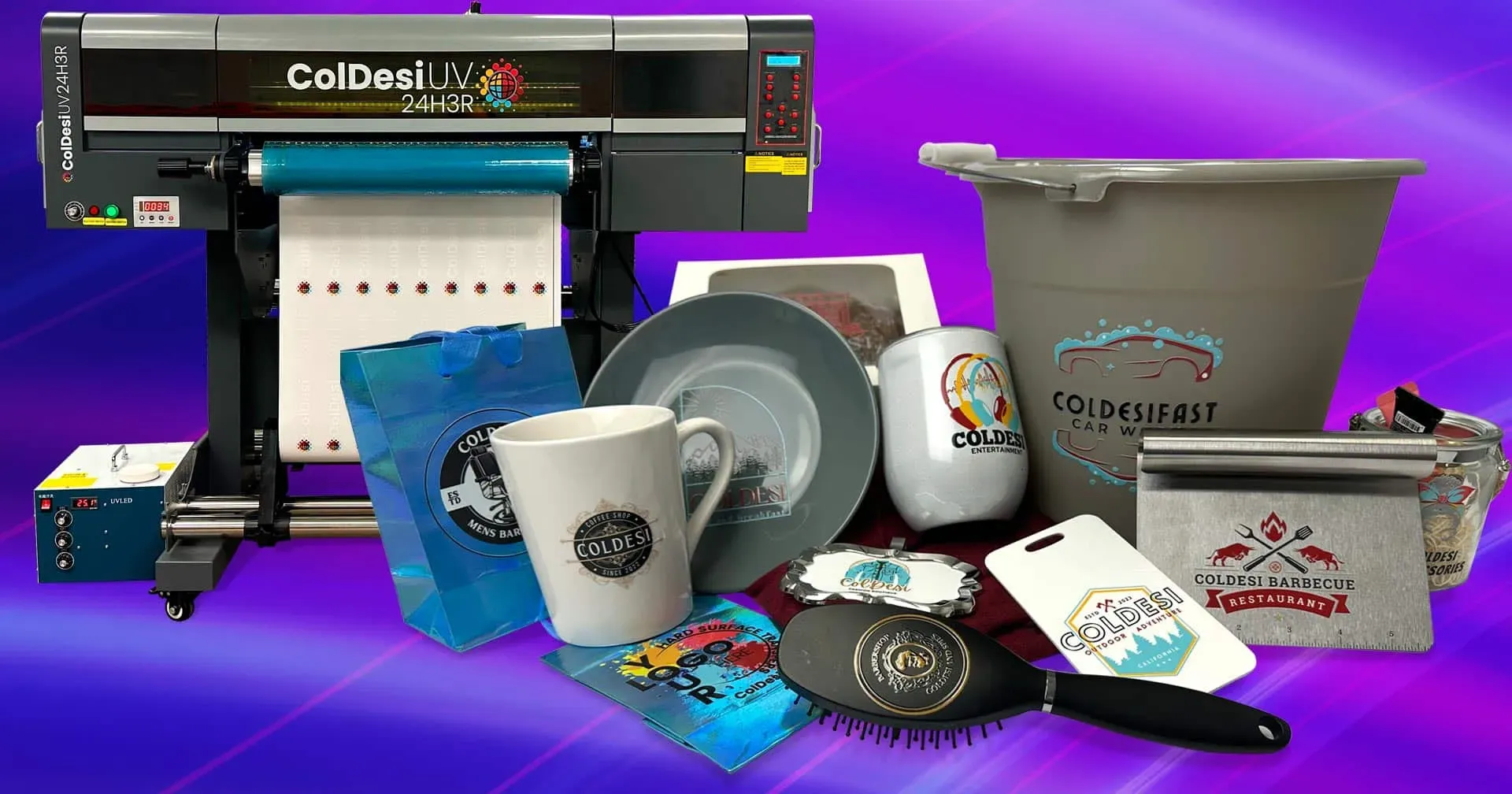
UV DTF printing has revolutionized the way businesses approach textile printing, marrying the advantages of direct-to-film technology with state-of-the-art UV ink curing methods. By harnessing the power of ultraviolet light, this innovative printing process ensures that your designs are not only vibrant but incredibly durable, adhering seamlessly to a variety of surfaces such as fabrics, plastics, and metals. For those eager to enhance their offerings and streamline production, understanding how to UV DTF print is essential for any DTF printing business looking to make its mark. As you delve into the UV DTF printing process, you'll discover how the right equipment setup can dramatically improve your workflow and output quality. This introduction will equip you with the knowledge needed to master UV DTF printing, ensuring your products stand out in a competitive market.
Exploring the world of direct-to-film printing using ultraviolet technology offers exciting opportunities for businesses in the textile printing industry. This advanced printing technique combines the best aspects of both UV printing and DTF methods, allowing for stunning graphics that are both long-lasting and true to color. By understanding the setup of UV DTF equipment and how to navigate the intricacies of this printing process, you can elevate your print offerings and attract a broader clientele. Whether you're curious about how to optimize your production techniques or seeking insights into the advantages of UV printing for fabric and other substrates, this guide will provide valuable information. Join us as we unravel the essentials of mastering this cutting-edge printing methodology.
Understanding the UV DTF Printing Process
UV DTF printing is a revolutionary technique that combines the best features of Direct to Film and ultraviolet printing. At its core, this process utilizes UV light to immediately cure special inks as they are printed onto films, which are then transferred onto various surfaces. This not only ensures vibrant colors but also provides a durable finish, ideal for both fabrics and hard surfaces. Understanding this process is crucial for any business looking to leverage the capabilities of UV DTF printing to create unique products that stand out in the market.
The UV DTF printing process begins with high-resolution digital designs created using graphic design software. Once the designs are finalized, the appropriate films are loaded into a specialized printer optimized for UV inks. As the printer operates, the UV light activates, curing the inks right away, which helps in achieving precise, sharp graphics that resonate with customers. This step-by-step understanding of how to UV DTF print is pivotal for ensuring consistency in the quality of printed products.
Choosing the Right Equipment for UV DTF Printing
Selecting the right equipment is a foundational step in establishing a successful UV DTF printing operation. Businesses should invest in high-quality printers from reputable brands like EPSON and Mimaki, which have consistently delivered superior UV DTF printing results. Important factors to consider include print speed, resolution, and the printer's capacity to handle varied materials. Investing in advanced features will ensure that you can fulfill large orders efficiently while maintaining the high-quality standards your clients expect.
Furthermore, it's equally essential to consider additional accessories that enhance your production setup, such as UV DTF inks and pre-treatment solutions for fabrics. These elements play a significant role in achieving vibrant colors and enhancing adhesion. A well-thought-out equipment setup not only boosts productivity but also helps in creating standout prints that can elevate your brand image in the competitive marketplace.
Mastering Software Proficiency for UV DTF Printing
Software proficiency is an integral component of UV DTF printing success. Familiarizing yourself with graphic design software such as Adobe Illustrator or CorelDRAW is essential for creating intricate designs that maximize the printing capabilities of UV DTF. Mastery of these tools allows you to manipulate images, create custom graphics, and optimize your digital files for printing. This not only enhances the quality of your prints but also streamlines the workflow in your printing business.
Moreover, staying updated with the latest software features, plugins, and techniques will enable you to keep pace with evolving trends in the textile printing industry. Engaging in online courses or tutorials can greatly enhance your skills, leading to a more efficient production process and the ability to offer innovative designs to your customers. The combination of advanced software skills and UV DTF capabilities will position your business as a leader in the printing market.
Surface Preparation Techniques for UV DTF Printing
Preparing the surface for UV DTF printing is a crucial step that greatly influences the quality and durability of the final product. Proper surface preparation includes ensuring that the materials are clean, dry, and, when necessary, treated to facilitate better ink adherence. For instance, applying a pre-treatment solution to fabrics is necessary as it helps the UV inks bond better, resulting in prints with vivid colors and durability.
Additionally, understanding the surface characteristics of the materials being used can help in formulating an effective preparation strategy. For hard surfaces like metals or plastics, a light sanding or cleaning solution may be needed to remove oils or debris, ensuring a smooth printing process. Such meticulous attention to surface application techniques is vital in mastering UV DTF printing, leading to impeccable finishes that captivate customers.
Innovative Printing Techniques in UV DTF
Diverse printing techniques are pivotal in setting your UV DTF printing business apart from competitors. Techniques like white ink layering allow for unique effects on transparent or dark substrates by providing a solid base for colors to pop. This ability to customize outputs with various layering and color mixing methods not only enriches the design process but also broadens the range of products you can offer to your clients.
Furthermore, harnessing advanced printing techniques means you can cater to niche markets, creating specialty products that command higher prices. Mastering these techniques can position your business to attract a wider clientele, enabling you to deliver unique designs that are not only innovative but also tailored to specific customer requests. The ability to produce specialized prints quickly while maintaining quality is a hallmark of a successful UV DTF printing operation.
Quality Control Measures for Outstanding UV DTF Prints
Implementing rigorous quality control measures is essential for ensuring that UV DTF prints meet high customer expectations. Establishing a standardized checklist for color accuracy, adherence, and overall print durability can help catch any discrepancies before the products reach your customers. Quality control is not just an operational mechanism; it reflects your commitment to excellence and can differentiate your brand in a crowded marketplace.
Moreover, investing in training for your staff ensures that everyone understands the importance of quality checks at different stages of the printing process. Regularly reviewing and refining your quality control methodologies can lead to continuous improvements and innovations in your UV DTF printing outputs. A strong emphasis on quality assurance will help build customer trust, encouraging repeat business and enhancing your reputation in the industry.
Frequently Asked Questions
What is the UV DTF printing process and how does it work?
The UV DTF printing process utilizes ultraviolet light to cure ink directly onto films that can be transferred onto various substrates. This method ensures vibrant colors and durability, making it ideal for printing on fabrics, plastics, and metals. The immediate curing allows for high precision and detail in prints.
How do I successfully set up UV DTF printing equipment?
To set up UV DTF printing equipment, start by selecting a high-quality printer from reputable brands like EPSON or Mimaki. Ensure you install the necessary software, prepare materials correctly, and follow the manufacturer's instructions for printer calibration and ink handling to optimize print quality.
What are the key advantages of using UV DTF printing in my business?
The key advantages of UV DTF printing include vibrant color outputs, fast curing times, and versatility for printing on various materials. This method enhances durability and provides high detail, making it an attractive option for custom merchandising and fulfilling diverse client needs.
What should I consider when investing in UV DTF printing equipment?
When investing in UV DTF printing equipment, consider factors such as printing speed, color gamut, ease of use, and adequate support from the manufacturer. Opt for models that handle high volumes efficiently, ensuring you can meet customer demand without compromising quality.
How can I improve the quality of my UV DTF prints?
To improve the quality of your UV DTF prints, focus on proper material preparation, utilize effective printing techniques like white ink layering, and ensure thorough post-processing, including cutting and applying protective coatings. Regular quality control checks will also help maintain high standards.
What resources are available for learning more about UV DTF printing?
Resources for learning about UV DTF printing include online workshops, webinars, industry conferences, and forums dedicated to printing technology. Engaging with these platforms can provide insights into new techniques and advancements that can elevate your UV DTF printing skills.
| Key Steps | Description |
|---|---|
| Understanding the Technology | Learn how UV DTF printing works, focusing on the role of UV light in curing ink for high-quality graphics. |
| Choosing the Right Equipment | Invest in reliable UV DTF printers from reputable brands like EPSON or Mimaki. |
| Software Proficiency | Gain skills in graphic design software such as Adobe Illustrator to enhance printing quality. |
| Preparing Your Materials | Ensure materials are clean and properly prepared for optimal ink adhesion. |
| Printing Techniques | Master diverse printing techniques like white ink layering and color mixing. |
| Post-Processing and Finishing | Implement cutting, weeding, and protective coatings for improved product quality. |
| Quality Control | Conduct strict quality checks on prints to ensure durability and color accuracy. |
| Continuous Learning and Adaptation | Engage in ongoing education and networking to stay informed on industry advancements. |
Summary
UV DTF printing is a revolutionary technique that allows businesses to produce high-quality, vibrant prints efficiently. By mastering the necessary steps—from understanding the underlying technology to maintaining rigorous quality control—companies can harness the full potential of UV DTF printing. This approach not only improves product offerings but also enhances customer satisfaction and loyalty, ensuring that businesses can thrive in a competitive market.