
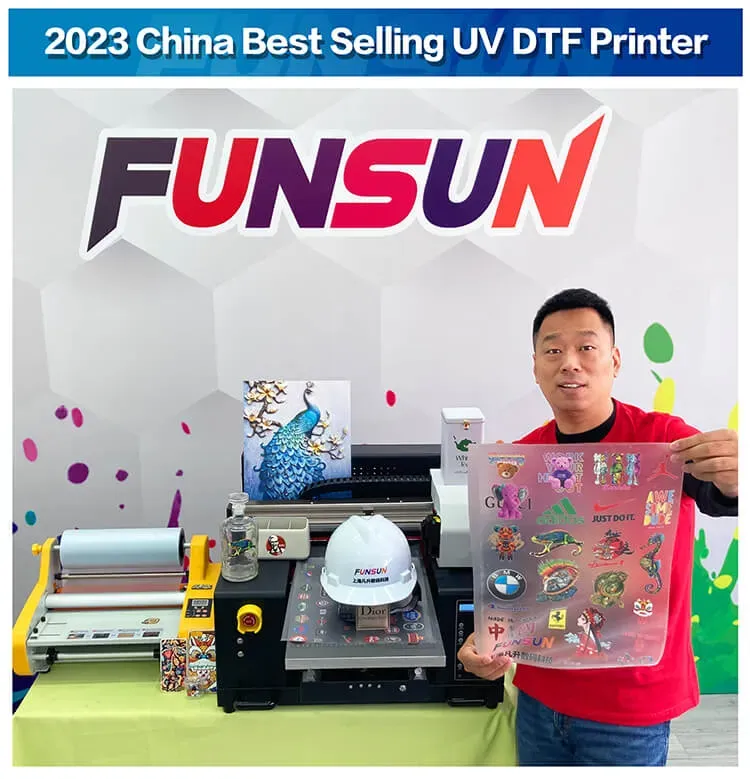
In the modern printing landscape, **UV DTF printing** has quickly gained recognition as a cutting-edge alternative to traditional printing methods. This innovative printing technology employs UV light to cure inks on film, allowing for vibrant displays on a variety of surfaces. Compared to conventional printing techniques, UV DTF offers remarkable advantages, including quicker production times, versatility across different materials, and a significantly reduced environmental footprint. As businesses increasingly seek efficient and sustainable printing solutions, understanding the benefits of UV DTF vs traditional methods becomes crucial. This article will delve into the transformative capabilities of UV DTF printing, highlighting its potential to reshape the future of printing technology.
In recent years, the emergence of **Direct to Film (DTF) UV printing** has revolutionized the way we perceive and utilize printing technologies. In contrast to established techniques like screen and offset printing, UV DTF allows for rapid image transfers while maintaining exceptional print quality. This innovative solution not only streamlines production processes but also offers eco-friendly options that resonate with the growing demand for sustainable printing methods. As the industry pivots towards more efficient technologies, the discussion between DTF and traditional printing methods uncovers significant differences in terms of speed, versatility, and waste management. By exploring the unique characteristics of UV DTF printing, businesses can make informed choices that align with their operational goals and environmental considerations.
Understanding UV DTF Printing: A Game Changer in Technology
**UV DTF printing** has emerged at the forefront of modern printing technologies, offering businesses a fresh approach to delivering high-quality prints with minimal environmental impact. This innovative technique not only enhances speed and efficiency but also caters to a wide range of substrates, from fabrics to hard surfaces, making it a versatile choice for various applications. With the curing process activated by UV light, colors remain vibrant and durable, which is essential for products that require a long lifespan.
The **technological advances** in UV DTF printing have significantly streamlined the overall printing process. Compared to traditional methods, which can involve lengthy setup times and material wastage, UV DTF reduces the production timeline drastically. Companies utilizing this method can witness faster turnaround times, allowing them to meet tight deadlines while also minimizing their carbon footprint. This balance of efficiency and sustainability positions UV DTF printing as a leading contender in the fast-evolving printing landscape.
Traditional Printing: Pros and Cons Explored
Traditional printing methods, including screen printing and offset printing, have been the backbone of the industry for decades. While they have established a reputation for producing reliable and high-quality outputs, these techniques often come with certain limitations. One of the main cons is the prolonged setup and drying process, which can slow down production rates, especially when dealing with larger batches.
Moreover, despite their reliability, traditional printing methods typically generate a higher level of waste due to excess materials used during setup. In today’s environmentally conscious marketplace, where sustainability is crucial, traditional printing may fall short of meeting modern consumer expectations for eco-friendly practices. As businesses increasingly seek to reduce their environmental impact, many are reconsidering their use of legacy printing technologies.
The Advantages of UV Printing Over Traditional Methods
**UV printing** offers several advantages that make it a preferred choice for many implementations. In contrast to traditional methods, UV printing, especially DTF, boasts faster turnaround times, less waste, and an enhanced ability to print on diverse materials. The efficiency of UV printing technologies allows businesses to process orders rapidly and respond to market demands more agilely than with traditional printing processes.
Additionally, the durability of UV prints is unmatched compared to typical prints produced by traditional methods. With a UV cured surface, prints resist fading and weathering, requiring less frequent reprints and reducing long-term costs. These attributes not only help businesses increase operational efficiency but also align with a commitment to environmentally sustainable practices by minimizing resource consumption.
Frequently Asked Questions
What are the advantages of UV DTF printing over traditional printing methods?
UV DTF printing offers several advantages over traditional printing methods, including faster production times, reduced setup requirements, and superior versatility when printing on various substrates like fabric, plastic, and wood. Additionally, it minimizes waste and utilizes eco-friendly inks, aligning well with sustainable printing initiatives.
How does UV DTF printing differ from traditional printing?
UV DTF printing differs from traditional printing predominantly in its method of transferring images. While traditional printing often involves complex setups and longer drying times, UV DTF directs prints onto substrates using UV light to cure the ink instantly, allowing for quicker turnaround and less material waste.
Is UV DTF printing a sustainable printing method compared to traditional techniques?
Yes, UV DTF printing is considered a more sustainable printing method compared to traditional techniques. It minimizes material waste with direct film application and often utilizes eco-friendly inks or inks that cure without VOC emissions, thus reducing environmental impact.
Can UV DTF printing be used on a variety of materials like traditional printing?
Absolutely! UV DTF printing excels in versatility and can be used on a broad range of materials, including textiles, plastics, metal, and glass. This flexibility often surpasses that of traditional printing methods, which may be limited to specific surfaces and materials.
What makes UV DTF printing a better choice for quick production runs compared to traditional printing?
UV DTF printing is a superior choice for quick production runs due to its faster setup and curing processes. Unlike traditional printing, which can require extensive setup and drying times, UV DTF allows for nearly instantaneous curing, thereby dramatically reducing overall production time.
How does the cost of UV DTF printing compare to traditional printing methods?
While the initial investment for UV DTF printing equipment can be higher, the overall cost per print tends to be lower compared to traditional printing methods, especially for larger orders. The efficiency of UV DTF printing leads to reduced waste and quicker turnaround, making it a cost-effective choice in the long run.
| Key Factor | UV DTF Printing | Traditional Printing |
|---|---|---|
| Speed and Efficiency | Quicker setup and production times, allowing for faster fulfillment of orders. | Longer setup times and intricate processes can slow down production. |
| Versatility | Can print on a wide range of materials including wood, leather, and glass. | Limited to standard material types and colors, restricting creative capabilities. |
| Cost and Waste | Lower waste and costs on larger orders due to direct transfer processes. | Higher waste levels and costs associated with setup and limited material options. |
Summary
UV DTF printing stands out as a modern solution in the printing industry, offering advantages that meet contemporary business demands. This method is characterized by its rapid production capabilities and adaptability across various substrates, making it a prime choice for those looking to enhance efficiency while minimizing environmental impact. As businesses navigate through the complexities of selecting a suitable printing method, UV DTF impresses with its promise of high-quality results and faster turnaround times. Overall, it represents a forward-thinking evolution in printing technology that aligns with sustainability goals and creative flexibility.