
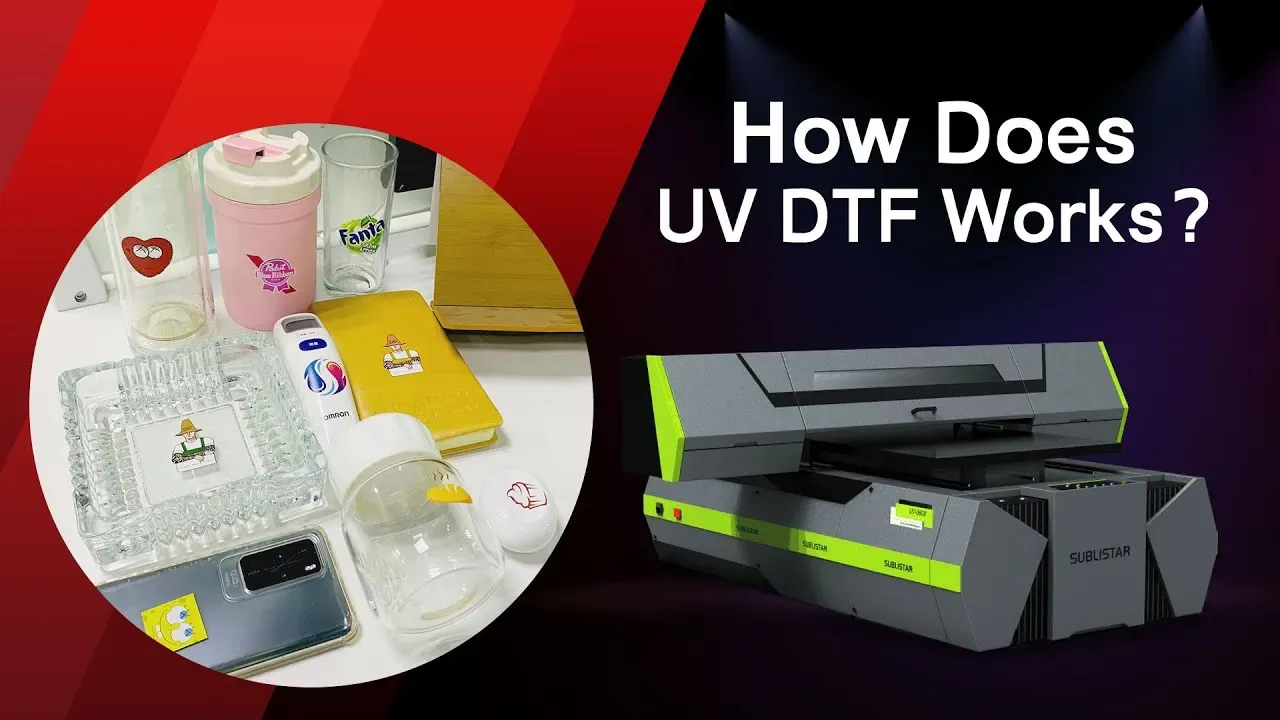
In the rapidly evolving world of printing, the UV DTF process is revolutionizing the way designs are created and transferred onto various materials. This innovative technique employs ultraviolet (UV) curing technology, which enhances traditional digital printing methods by providing vibrant color outputs that are both durable and versatile. As businesses increasingly seek custom print solutions, the advantages of UV DTF printing stand out—allowing for high-quality results on a wide range of substrates with reduced waste. Additionally, its eco-friendly printing capabilities align well with modern sustainable practices, making it a favored choice among environmentally-conscious companies. This post will explore the intricacies of the UV DTF process, from its fundamental mechanics to the benefits it offers in today’s competitive landscape.
The UV Direct-to-Film technique, often referred to as direct-to-film printing, is shaping the future of the printing industry through advanced technology and innovative applications. By harnessing the power of UV curing technology, this method allows for striking visual outputs that are both lightweight and incredibly durable. Ideal for businesses looking for custom print solutions, the advantages of this approach include its speed, efficiency, and the ability to print on various substrates while minimizing environmental impact. Eco-friendly printing methods have become increasingly crucial, and this technique addresses those concerns by producing minimal waste during the printing process. As market demand for personalized products surges, understanding alternative terms for the UV DTF process will further illuminate its remarkable potential in the realm of digital printing.
An In-Depth Look at the UV DTF Process
The UV Direct-to-Film (DTF) process is a cutting-edge printing method that integrates advanced UV curing technology with traditional digital printing. This innovative process begins with high-quality designs being printed on a special film using UV inks that possess superior adhesion qualities, ensuring vivid colors and clarity. The immediate curing process under UV light solidifies the ink almost instantaneously, ensuring that the finished products are not only eye-catching but also durable, making them suitable for a variety of applications, from textiles to hard surfaces.
Moreover, the versatility of the UV DTF process is unparalleled in the industry. Unlike conventional printing techniques that may be limited to specific materials, UV DTF can effectively transfer designs onto a broad range of substrates. This adaptability appeals to businesses seeking custom print solutions, allowing them to cater to diverse customer preferences and market demands.
Exploring the Advantages of UV DTF Printing
One of the standout advantages of the UV DTF process is its eco-friendly approach to printing. This technique minimizes waste due to its efficient use of materials and the absence of harmful solvents typically required in traditional methods. Businesses adopting UV DTF can proudly align themselves with environmentally conscious practices, appealing to a growing market of consumers who prioritize sustainability in their purchasing decisions.
In addition to being eco-friendly, the UV DTF process dramatically enhances production speed. The immediate curing capabilities allow for rapid turnaround times, enabling businesses to meet customer demands swiftly without compromising on quality. Such efficiency not only improves operational productivity but also fosters stronger customer relationships through timely deliveries.
The Technological Innovations Driving UV DTF Growth
The landscape of UV DTF printing is continuously evolving, driven by significant technological advancements. Recent enhancements in printer technology have yielded higher-resolution outputs and improved ink formulations. These innovations ensure that designs printed using UV DTF possess exceptional detail and vibrancy, making them more appealing to customers.
Moreover, the integration of new printer heads and optimized curing systems is setting the standard for print quality within the industry. As manufacturers develop more sophisticated machinery, the overall capabilities of UV DTF printing are being elevated, allowing businesses to produce superior products that stand out in a competitive market.
Challenges in Implementing UV DTF Technology
Despite its numerous benefits, the UV DTF process presents specific challenges that businesses must navigate before fully embracing the technology. A significant barrier for many small to medium enterprises (SMEs) is the initial investment required for purchasing and setting up UV DTF equipment. The costs associated with high-quality printers and UV-curable inks can be substantial, potentially limiting accessibility for fledgling businesses.
Additionally, ensuring material compatibility poses another challenge in the UV DTF process. Not all substrates yield optimal results with UV printing, necessitating thorough testing to determine which materials deliver the desired quality. This aspect of the process can lead to trial and error, requiring careful planning and resource allocation.
The Future of UV DTF Printing
Looking ahead, the future of UV DTF printing appears promising as businesses increasingly adopt this innovative technology. The growing demand for customization in various industries is a significant driving force behind the expansion of the UV DTF market. As more companies recognize the benefits of high-quality prints that marry speed and durability, the potential for UV DTF solutions to dominate the printing sector becomes apparent.
Furthermore, educational initiatives aimed at skill development for printing professionals are essential to support this growth. By equipping staff with the necessary knowledge to effectively utilize UV DTF technologies, businesses can stay ahead of the curve and continuously innovate their offerings in line with market trends.
Why Custom Print Solutions Matter in UV DTF
Custom print solutions are essential in today’s market, and the UV DTF process exemplifies how businesses can cater to individual customer needs. With its ability to produce vibrant, high-quality designs on various substrates, UV DTF is at the forefront of tailor-made printing experiences. This capability enables brands to differentiate themselves from competitors and foster deeper connections with their audience.
In addition, offering personalized products through UV DTF printing aligns with consumer preferences for unique items. As consumers increasingly seek individualized solutions, businesses leveraging custom printing technologies will find themselves better positioned to meet these demands and enhance their market presence.
Frequently Asked Questions
What is the UV DTF process and how does it enhance digital printing?
The UV DTF process refers to a modern printing technique that utilizes UV curing technology to print designs onto a special film before transferring them onto various substrates. This method enhances digital printing by providing vibrant colors and durable prints due to the speed and efficiency of UV curing.
What are the main advantages of using the UV DTF process in custom print solutions?
The main advantages of the UV DTF process include versatility in printing on multiple substrates, eco-friendly printing with minimal waste and no harmful solvents, and significantly faster production times thanks to the immediate curing of UV inks.
How does UV curing technology improve the durability of prints in the UV DTF process?
UV curing technology improves print durability in the UV DTF process by instantly hardening the UV curable inks upon exposure to UV light. This rapid transformation ensures that prints are resistant to wear, water damage, and other environmental factors, providing long-lasting results.
What types of materials can be used with the UV DTF printing process?
The UV DTF printing process is versatile and can be applied to a wide range of materials, including fabrics such as cotton and polyester, as well as hard surfaces, allowing for custom print solutions across various product types.
Are there eco-friendly aspects of the UV DTF process compared to traditional printing methods?
Yes, the UV DTF process is considered eco-friendly because it generates less waste due to minimal cleanup and does not require harmful solvents, making it a sustainable choice in the realm of digital printing.
What challenges might businesses face when adopting the UV DTF printing process?
Businesses adopting the UV DTF printing process may face challenges such as high initial investment costs for technology and materials, as well as potential material compatibility issues that require thorough testing for quality outcomes.
| Key Point | Description |
|---|---|
| What is UV DTF? | A printing technique that transfers designs onto a special film using UV curing technology before applying it to various substrates. |
| Technology Behind UV DTF | Involves printing on film, curing the design with UV light, and transferring it to fabrics and hard materials. |
| Advantages | Offers versatility in substrate printing, is eco-friendly with minimal waste, and ensures rapid production times. |
| Recent Developments | Market growth driven by demand for customization; technological advancements improving print quality and speed. |
| Challenges | High initial investment and material compatibility issues can deter businesses from adopting UV DTF processes. |
Summary
The UV DTF process is a game-changer for the printing industry, offering revolutionary advancements in how designs are created and transferred to diverse substrates. By blending traditional digital printing with cutting-edge UV curing technology, this innovative approach not only produces vibrant, durable prints but also addresses environmental concerns with its eco-friendly attributes. Businesses leveraging the UV DTF process will find themselves at a significant advantage, adapting to market trends and consumer needs efficiently. As the landscape of printing continues to evolve, the possibilities with UV DTF are vast, encouraging creativity and customization at unprecedented levels.