
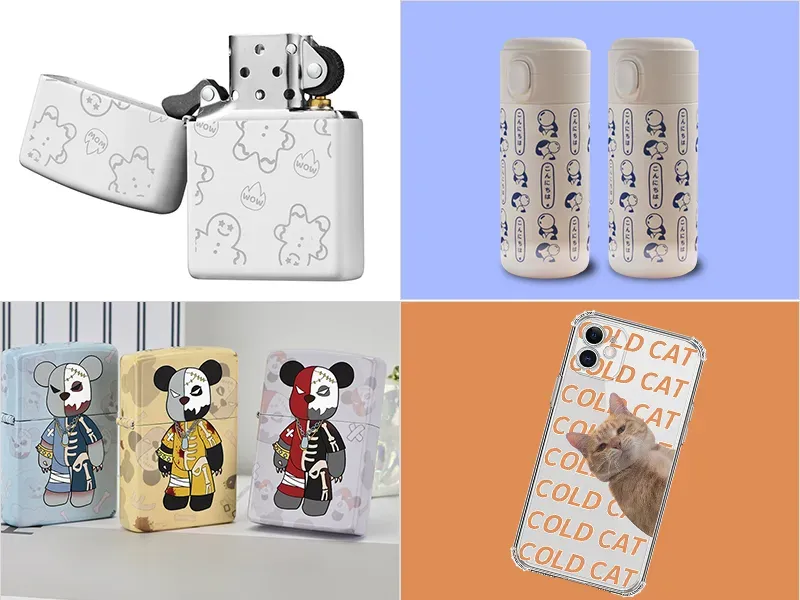
In the rapidly advancing world of printing technology, UV DTF (Direct to Film) printing stands out as a revolutionary option that is reshaping the industry landscape. This innovative method employs cutting-edge UV curing technology, allowing prints to dry instantly on various substrates including textiles, plastics, and metals. Unlike traditional printing methods such as screen printing and dye sublimation, UV DTF offers superior durability, vibrant color palettes, and exceptional customization options. As businesses increasingly aim for efficient and eco-friendly solutions, understanding the capabilities of UV DTF becomes critical for making informed decisions. In this guide, we will delve deeper into the advantages of UV DTF printing and how it stacks up against established techniques.
When considering modern printing options, UV DTF technology emerges as a superior alternative to conventional methods such as screen printing and dye sublimation. Known for its rapid curing and compatibility with diverse materials, this approach not only enhances efficiency but also elevates the quality of printed results. Moreover, professionals in the printing industry are increasingly embracing this method for its ability to produce highly customizable designs that cater to contemporary consumer demands. The shift towards UV DTF reflects a broader trend of innovation within the custom printing sphere, offering exceptional craftsmanship and environmental benefits. In this exploration, we will analyze the functionalities and market position of UV DTF relative to traditional printing techniques.
Exploring the Flexibility of UV DTF Printing
UV DTF printing offers unparalleled flexibility compared to traditional printing methods. This technique is capable of adhering to a wide variety of substrates, including textiles, plastics, and metals, which is a significant edge over more conventional printing processes like screen printing. This variety is essential for businesses that require diverse printing needs under one roof, enabling them to cater to different customer preferences without the need for multiple machines or setups.
Moreover, UV DTF's quick turnaround time is an essential factor in today's fast-paced market. With the ability to print directly onto any desired surface and finish immediately through UV curing technology, businesses can reduce lead times significantly. This feature not only improves production efficiency but also enhances customer satisfaction by ensuring that orders are fulfilled promptly.
Durability: The Long-Lasting Benefits of UV DTF
One of the critical advantages that UV DTF printing holds over traditional methods, like dye sublimation and screen printing, is the durability of its prints. The unique UV curing process creates a robust bond between the ink and the substrate, making the designs remarkably resistant to fading, scratching, and general wear and tear. This is particularly important for products that undergo heavy usage, such as promotional items and custom apparel.
Furthermore, the enduring quality of UV DTF prints translates into longer-lasting products for consumers, which can enhance a brand's reputation and customer loyalty. Businesses that invest in UV DTF printing can confidently assure customers of the longevity of their products, reducing the risk of returns and dissatisfaction over time.
Eco-Friendly Advantages of UV DTF Printing
In an era where environmental sustainability is a significant concern, UV DTF printing stands out as a greener alternative to traditional printing methods. Many traditional inks used in screen printing and dye sublimation contain volatile organic compounds (VOCs) that can be harmful to both the environment and human health. In contrast, UV DTF printing utilizes inks that are often free from such toxic substances, making it a more environmentally responsible choice.
Choosing UV DTF not only showcases a brand’s commitment to ecological practices but also appeals to a growing demographic of environmentally conscious consumers. By marketing products printed through UV DTF technology, businesses can position themselves as innovative and responsible, resonating well with modern buyers who prioritize sustainability in their purchasing decisions.
Cost Efficiency: Understanding the Long-Term Investment of UV DTF
While the initial costs associated with UV DTF printing may appear higher compared to traditional methods, a closer examination reveals a more favorable long-term investment. The efficiency of UV DTF technology allows for faster production times and reduced material waste, ultimately leading to decreased overall costs over time. This is in stark contrast to traditional printing methods, which often require extensive setup and can incur higher costs due to waste and longer production times.
Moreover, businesses that adopt UV DTF can benefit from the ability to execute smaller, bespoke orders without losing profit margins. As customization and short-run printing become increasingly popular in today’s market, the flexibility offered by UV DTF provides a significant financial advantage as businesses can meet unique customer demands effectively.
Customization Opportunities with UV DTF Technology
Customization is an essential aspect of modern printing, and UV DTF printing excels in this domain. The technology allows for an extensive color palette and vibrant graphics that can be easily tailored to meet specific customer needs. This level of customization is often limited with traditional printing methods such as screen printing, where the setup for varied designs can become cumbersome and time-consuming.
Additionally, UV DTF enables on-demand printing, allowing businesses to create products that are highly specific to customer preferences without the need for large batches. This capability not only caters to market trends but also strengthens the connection between businesses and their customers, leading to enhanced satisfaction and loyalty.
The Shift Towards UV DTF in the Printing Market
The printing market is experiencing a significant shift towards innovative solutions like UV DTF technology, particularly in custom apparel and promotional products sectors. As manufacturers increasingly adopt this technology, they can meet the heightened consumer demand for speedy turnaround times and high-quality prints. This growing trend underscores the market’s recognition of UV DTF as an essential tool for competitive differentiation.
Furthermore, as more businesses incorporate UV DTF into their printing operations, the technology is anticipated to become a standard practice in the industry. This evolution not only signals the importance of adapting to changing consumer preferences but also points toward a broader movement within the printing sector aimed at improving efficiency and sustainability.
Frequently Asked Questions
What is UV DTF printing and how does it differ from traditional printing methods?
UV DTF printing, or UV Direct to Film printing, is a modern printing technique that uses UV light to cure ink on various substrates, ensuring quick drying and durability. Unlike traditional printing methods such as screen printing and dye sublimation, UV DTF provides superior adhesion, vibrant colors, and the ability to print on diverse materials, making it a popular choice for custom printing needs.
Is UV DTF printing more environmentally friendly than traditional printing methods?
Yes, UV DTF printing is generally considered more environmentally friendly than traditional methods like screen printing and dye sublimation. It uses inks that are typically free from volatile organic compounds (VOCs), reducing harmful emissions and reflecting a commitment to sustainable practices, which is increasingly important to conscious consumers.
What are the advantages of UV DTF printing over screen printing?
UV DTF printing offers several advantages over screen printing, including faster production times due to instant curing, a wider color range for customization, and enhanced durability against scratches and fading. Furthermore, UV DTF can print on a variety of surfaces, making it more versatile for different applications compared to traditional screen printing.
How does UV DTF printing compare to dye sublimation in terms of quality?
UV DTF printing outperforms dye sublimation in quality for certain applications, particularly on non-textile substrates. The UV curing process creates a stronger bond between the ink and the material, resulting in prints that are more resistant to wear. Conversely, dye sublimation excels with polyester fabrics, offering vibrant color reproduction that is absorbed into the fabric.
What types of products are best suited for UV DTF printing?
UV DTF printing is ideal for a wide range of products, including custom apparel, promotional items, and signage. Its ability to print on various substrates, such as textiles, plastics, and metals, makes it a go-to choice for businesses that require versatility in their custom printing solutions.
Can UV DTF printing be cost-effective for small batch production compared to traditional methods?
Yes, UV DTF printing can be cost-effective for small batch production. Although the initial investment may be higher, the efficiency, reduced waste, and quick turnaround times associated with UV DTF technology often lead to greater savings in the long run, especially when catering to on-demand printing needs unlike traditional methods that may be less efficient for smaller quantities.
| Feature | UV DTF Printing | Traditional Printing Methods |
|---|---|---|
| Durability and Quality | High durability with a strong bond between ink and substrate, resistant to scratches and fading. | Lower durability, more prone to wear depending on method used (screen printing vs dye sublimation). |
| Eco-Friendliness | Uses inks free from VOCs, making it a sustainable option. | Often uses chemical inks and solvents that can harm the environment. |
| Cost Efficiency | Higher initial investment but leads to long-term savings through efficiency and reduced waste. | Lower startup costs but can lead to higher operational expenses due to longer setup times and waste. |
| Customization and Color Range | Offers a broader color palette and superior options for customization, ideal for small-batch prints. | Limited customization options with fewer colors; better suited for bulk orders. |
| Market Trends | Growing preference in custom apparel and promotional products, indicating a shift towards this technology. | Established methods still relevant for certain applications and business models. |
Summary
UV DTF is revolutionizing the printing industry by offering unparalleled durability, eco-friendliness, and customization capabilities compared to traditional printing methods. As businesses and consumers become increasingly aware of the environmental impact of their choices, the demand for UV DTF printing continues to grow. This innovative technology not only ensures high-quality outputs through advanced UV curing processes but also provides long-term cost efficiencies that traditional printing struggles to match. With its application across a wide variety of substrates, UV DTF is positioned as a frontrunner in meeting modern consumer demands for flexibility and sustainability. As the printing landscape evolves, incorporating UV DTF technology is essential for businesses aiming to maintain a competitive edge.