
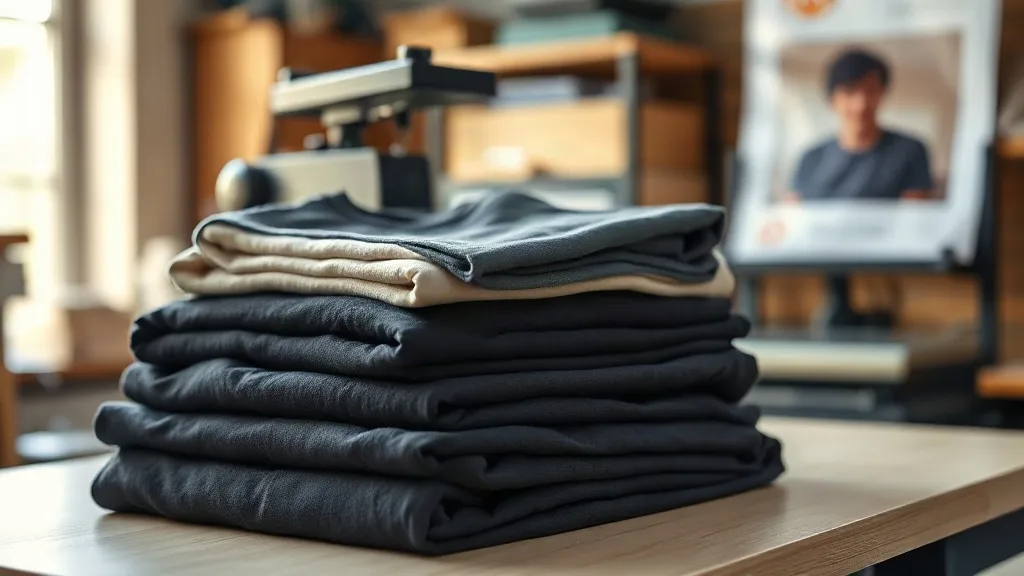
Most people who order shaka wear for the first time are surprised by how much shirt they get for the price. The heavyweight tees feel closer to workwear than to the thin promotional shirts people are used to, and that changes how you size, print, and care for them. If you are building a product line, outfitting a team, or just tired of shirts that lose their shape after three washes, this guide walks through what actually matters when you work with these blanks.
Why Shaka Wear Blanks Feel Different in Hand
Shaka Wear built its reputation on heavyweight cotton basics, and the hand feel tells you that immediately. A standard 6 oz tee from a typical blank supplier feels light and slightly airy. The Shaka heavyweight options sit noticeably denser in your hand, with a tighter knit and a smoother surface. That density is the reason screen printers and DTF shops keep coming back to them: a heavier, tighter knit holds ink detail better than a loose, open weave.
The tradeoff is breathability. A 7 oz cotton tee is warmer than a 4.5 oz one, and in a humid climate that matters. For summer retail collections, many shops pair Shaka heavyweight tees with lighter blends or sleeveless cuts. For fall and winter drops, the heavyweights sell themselves.
Fabric weights you will actually see
- Lightweight (around 4.5 to 5 oz): good for layering pieces, tank tops, and warm-weather retail.
- Midweight (around 6 oz): the everyday workhorse, comfortable enough for daily wear and sturdy enough to print on.
- Heavyweight (7 oz and up): boxy streetwear cuts, work shirts, and anything where structure matters.
Ask your supplier for the exact spec sheet before you commit to a bulk order. Two shirts that look identical in a product photo can differ by two ounces, and that difference shows up in how the garment drapes on a customer.
How the Fits Run, and How to Size Without Guessing
Shaka Wear leans toward a relaxed, American cut. Shoulders sit a little wider, the body is roomier through the chest, and sleeves are not tapered tight. If your customers are used to slim-fit European blanks, expect comments about the shirt running large. It usually is not a sizing error; it is the intended silhouette.
The practical move is to buy one sample in each size you plan to stock, wash it twice, and measure it flat. Record chest width, body length, and sleeve length. That small upfront cost saves you from a bulk order of 200 shirts that nobody wants to wear.
A quick sizing reference for common use cases
- Team and event apparel: order true to size for most wearers, and add a size up for anyone who prefers a looser fit.
- Streetwear retail: the boxy, oversized look is the point, so many shops stock one size up from the wearer's usual.
- Uniforms and workwear: size for movement, not for a fitted look. People wearing a shirt eight hours a day notice tight armholes fast.
One more detail worth checking: shrinkage. Heavyweight cotton can pull in after the first hot wash. Pre-shrinking your samples before you finalize measurements gives you a realistic picture of what the customer receives.
Preparing Shaka Wear Garments for DTF Printing
Direct-to-film works beautifully on cotton and cotton blends, and heavyweight Shaka blanks are a friendly surface for it. The tight knit means less texture fighting the transfer, and the smooth face gives the adhesive a clean bond. The catch is that a thick garment needs a little more attention during pressing than a thin one.
Pre-press the shirt for a few seconds to steam out moisture before you lay the film down. Heavy cotton holds humidity, and trapped moisture is one of the most common reasons a transfer lifts at the edges after a few washes. A quick press also flattens any fold lines from storage.
Press settings that work as a starting point
- Pre-press the garment for 5 to 8 seconds to remove moisture and wrinkles.
- Place the film with the printed side up and press at medium pressure.
- Peel according to your film type, either hot or cold, and follow the manufacturer's instructions.
- Do a second press with a cover sheet to lock the print into the fibers.
Exact temperature and time depend on your film and press, so treat these as a baseline and adjust. If edges start peeling in wash tests, the usual culprits are uneven pressure, a cold platen, or too short a second press.
Planning gang sheets around garment colors
If you are printing a mixed run of shirts, the DTF Gangsheet Builder makes it easier to group designs by color and size before you commit film. A gang sheet packed with logos for a 40-shirt team order saves both film and press time compared to printing one design at a time. Group dark garments together and light garments together so you can dial in your white ink settings once instead of switching back and forth.
Keep a small test corner on each gang sheet. If a design has fine lines or small text, print a sample on the actual garment color before you run the full batch. White ink behaves differently on a black heavyweight tee than on a heather grey one, and catching that early is cheaper than reprinting.
Wash Durability: What Actually Helps
Print durability is mostly about the bond formed during pressing, but garment care matters too. Heavyweight cotton is durable, yet aggressive washing still wears down any transfer over time. Passing along simple care instructions with every order makes a measurable difference in customer satisfaction.
- Wash inside out in cold water.
- Skip the fabric softener, which can leave a residue on the print.
- Tumble dry low or hang dry.
- Avoid ironing directly on the printed area.
Run your own wash test before you ship a new design. Print one shirt, wash it five times, and inspect the edges. If it holds, your settings are solid. If it does not, adjust pressure and time before the next batch.
Where Shaka Wear Fits in a Product Line
These blanks sit in a useful middle ground. They are sturdier than budget promotional tees, which makes them credible for retail, but they are not so expensive that a small shop cannot build a collection around them. That combination works well for streetwear drops, team uniforms, band merch, and small-batch brand launches where the shirt itself needs to feel worth the price.
If you sell both blanks and printed goods, keep a few finished samples on hand. Customers who can feel the weight of a 7 oz tee before ordering are far more likely to come back for a second run.
Frequently Asked Questions
Does Shaka Wear run true to size?
It generally runs relaxed rather than slim. Most people find their usual size comfortable, but anyone who likes a fitted look may want to size down, and anyone who prefers an oversized streetwear fit should size up. Measuring a washed sample is the most reliable way to decide.
Can you DTF print on heavyweight cotton tees?
Yes. Heavyweight cotton is one of the easier surfaces for DTF because the tight knit gives the adhesive a smooth, consistent bond. The main adjustment is a slightly longer pre-press to remove moisture from the thicker fabric.
What is the best way to build a gang sheet for a team order?
Group designs by garment color and size, then pack the sheet tightly to reduce wasted film. Include a small test print in the corner so you can check line quality before running the full batch.
How many washes should a DTF print survive?
With correct press settings and cold-water washing inside out, a properly applied DTF print typically holds up through dozens of wash cycles. If you see peeling after five washes, revisit your pressure, temperature, and second press.
Are Shaka Wear blanks good for retail resale?
They are a solid choice for small and mid-size retail because the fabric weight reads as premium without pushing the price too high. Order samples first, confirm shrinkage and fit, then build your size run around measured data rather than guesswork.